
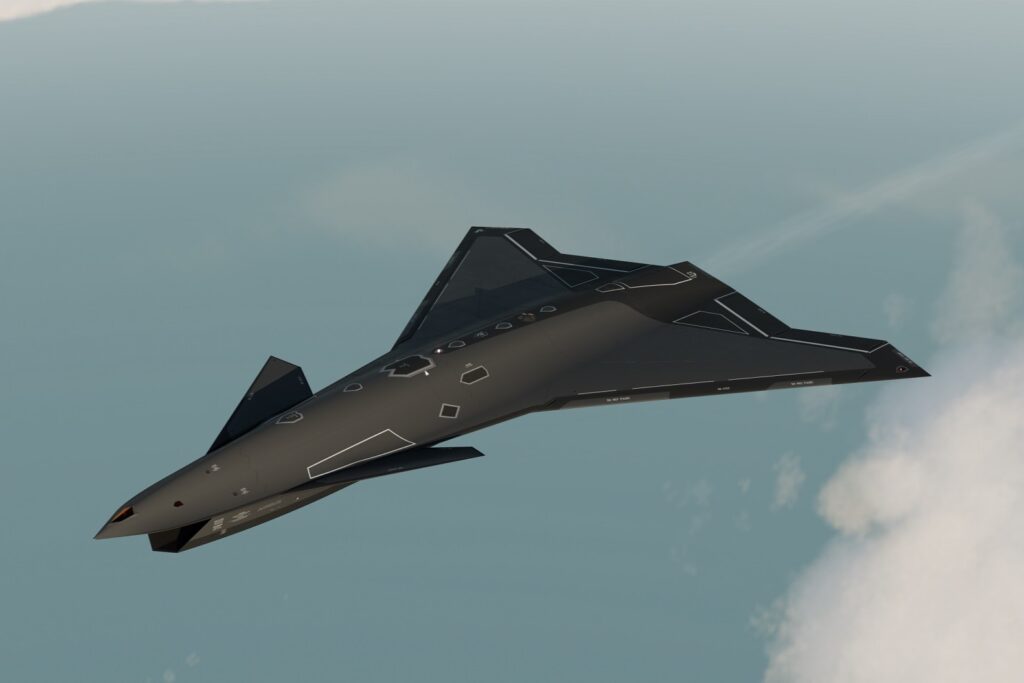
Airbus CEO Guillaume Faury sought to lower the temperature around the escalating dispute over the Future Combat Air System (FCAS) fighter pillar, arguing that the deadlock should not derail the rest of Europe’s flagship air combat program and cautioning against an overly aggressive bet on an unmanned-only future.
Speaking during Airbus’ full-year results call, Faury repeatedly returned to the idea that Europe’s competitiveness in defense depends on cooperation at scale.
“When Europe does things together and at scale is competitive with the US, it is not so when doing things in a fragmented way,” Faury argued. “Airbus can bring to the fore dual capabilities at scale and speed.”
Separating the NGF fighter from the FCAS system

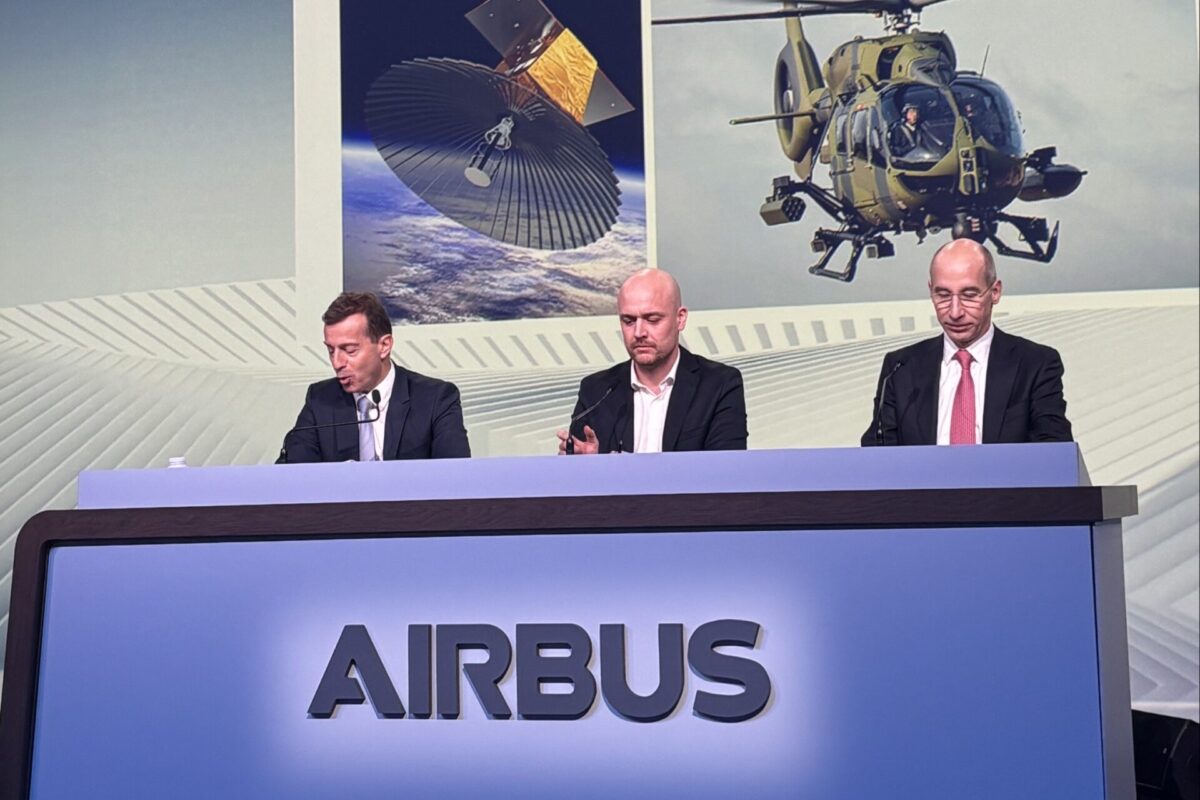
Faury once again acknowledged that the FCAS dispute is real, and that diverging national expectations have led to a deadlock on the fighter itself. However, he emphasized that this problem affects only one pillar of a much broader set of cooperative defense technologies.
In Airbus’ view, the difficulties around the New Generation Fighter (NGF) should not jeopardize the rest of FCAS, including work on connected sensors, remote carriers, and the digital “combat cloud” intended to link crewed aircraft, drones, and other assets. According to Faury, these elements are progressing well and continue to make industrial and operational sense as joint European efforts.
Significantly, he also made clear that Airbus is preparing for scenarios that would have been politically sensitive only a few years ago. If governments ultimately decide that a single joint fighter is no longer viable, Airbus would be ready to support two separate fighter paths, while maintaining cooperation on other FCAS components where possible.
The remark comes a day after German Chancellor Friedrich Merz publicly questioned diverging national requirements in the program, notably France’s need for a nuclear-capable, carrier-operable aircraft, requirements that he says Germany does not share. More broadly, Merz questioned whether the Luftwaffe is still in need of a crewed sixth-generation fighter.
Manned versus unmanned, a risky fork in the road
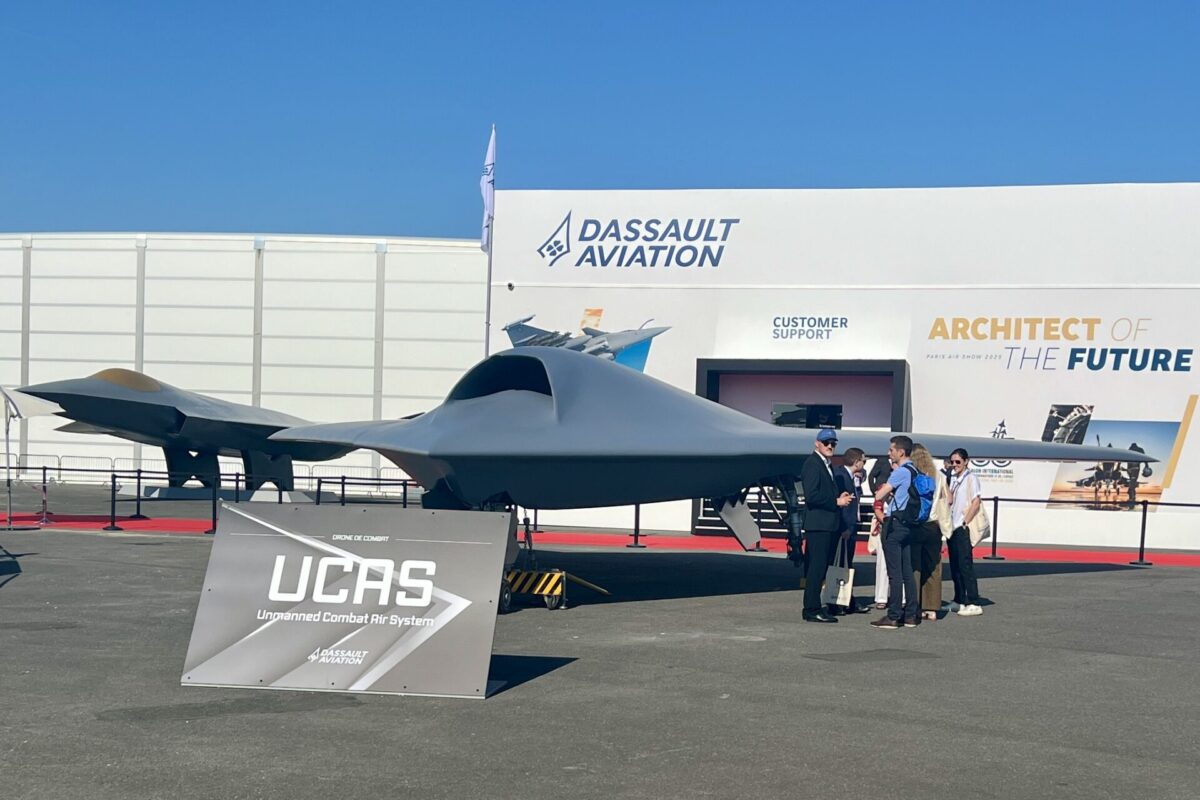
Faury said the question is now clearly on the table, reflecting the pace of technological change in autonomy, artificial intelligence, and remote operations. Over the long term, he suggested, unmanned systems are likely to take on a growing share of combat roles.
However, he warned that FCAS partner countries should not commit too strongly, too early, to an unmanned-only solution.
“It will get to a point where unmanned will be the main option, but the timeline for this is not yet clear,” Faury warned. “If the program partners decide to bet strongly on this, it will be a rather risky bet that may leave them with a capability gap for a number of years. The belief right now is that manned fighters will still be necessary for at least some time.”
A400M pivot from initial orders to export
Beyond FCAS, Faury used the results call to temper expectations that rising European defense spending would fundamentally reshape Airbus’ business mix. While defense is receiving increased political attention and generating strong order intake, he said growth in the defense division is expected to broadly track that of the commercial aircraft business.
As a result, the group’s long-standing revenue split, roughly 80% commercial and 20% defense, is likely to remain largely unchanged.
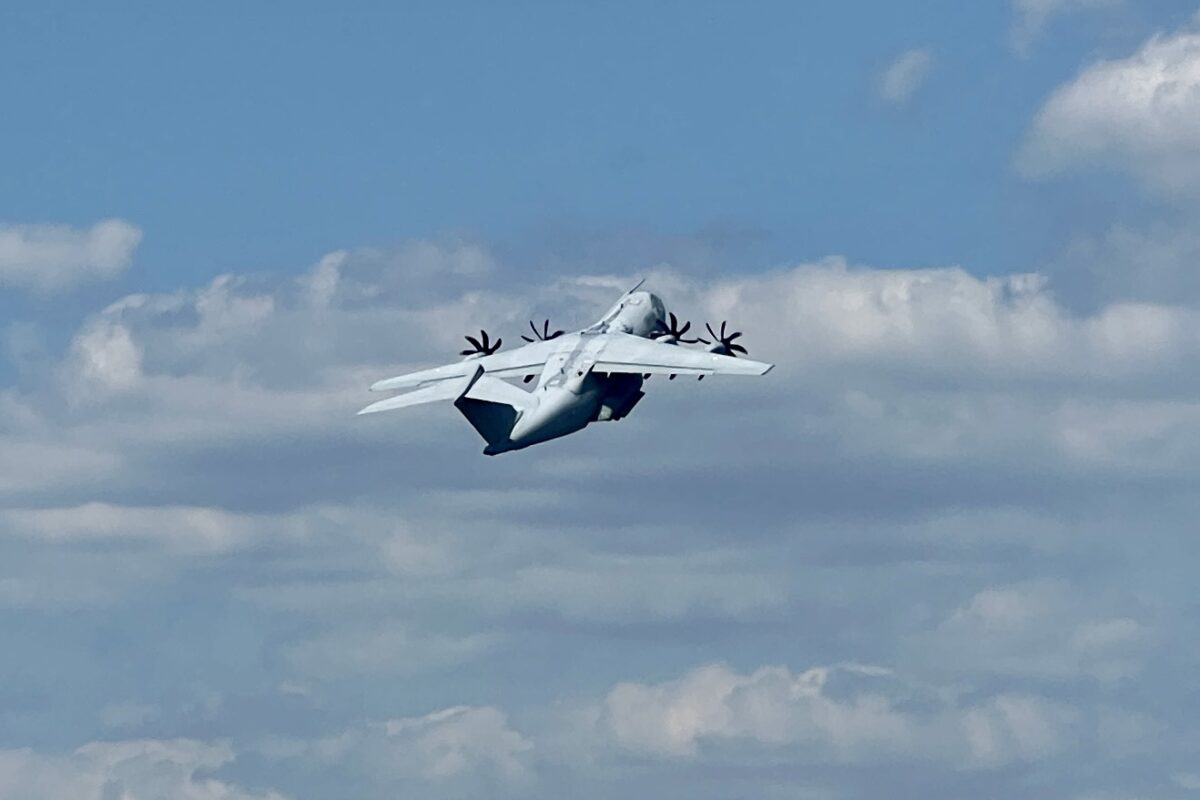
He also briefly addressed the A400M program, noting that it has turned cash-flow positive and is entering a transition phase towards export as deliveries to launch customers wind down. According to Faury, Airbus continues to see strong interest from operators and remains optimistic about the aircraft’s long-term competitiveness as it navigates the gap between initial orders and follow-on export deals.