
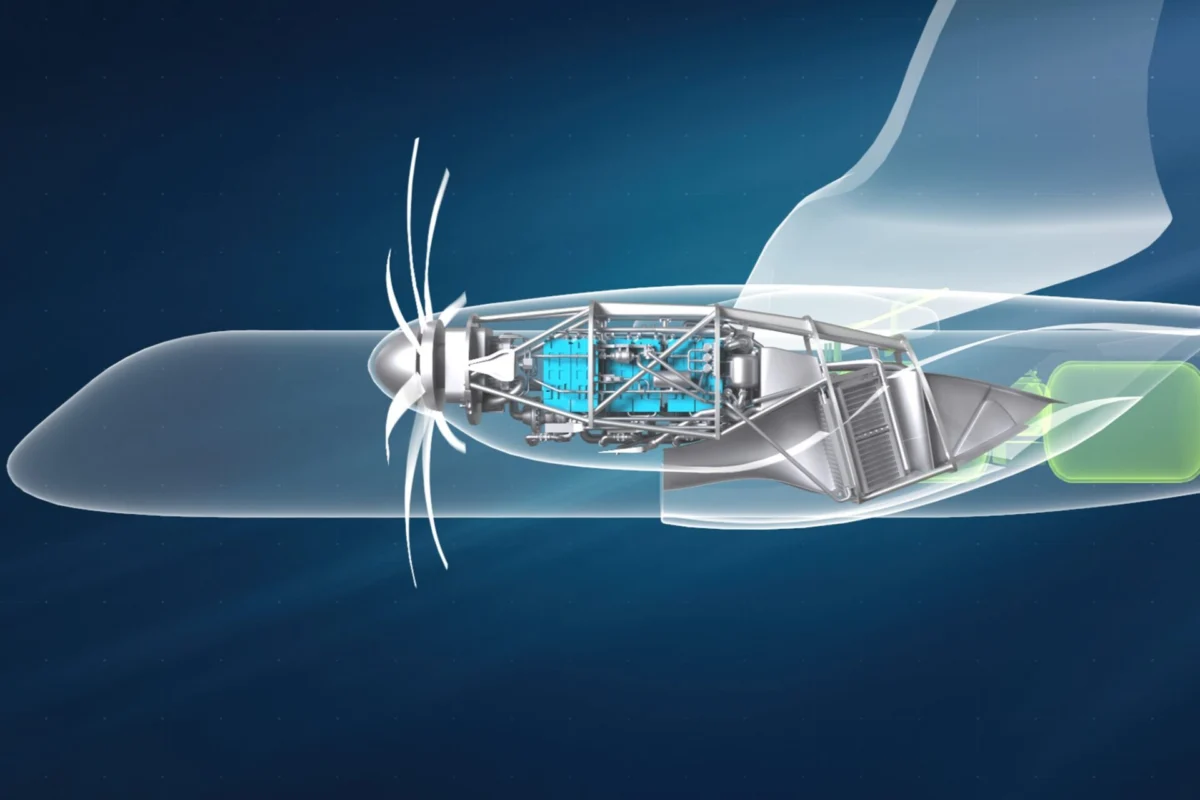
Airbus and MTU Aero Engines are ramping up efforts to develop a fully electric hydrogen fuel cell engine with the launch of a new joint venture.
On July 7, 2026, the two companies said they were deepening their partnership in an extension to the Memorandum of Understanding (MoU) signed at the Paris Air Show in June 2025.
Airbus and MTU Aero Engines say the aim of the project is to “accelerate technology development, design, testing and certification of a revolutionary propulsion system for aviation based on a hydrogen fuel cell”.
The two parties said they were establishing a new “European powerhouse” to lead the way in the next generation of aviation technologies.
Bruno Fichefeux, Head of Future Programmes at Airbus, said that the development was the “next logical step” on the path to building hydrogen-electric powered commercial aircraft.
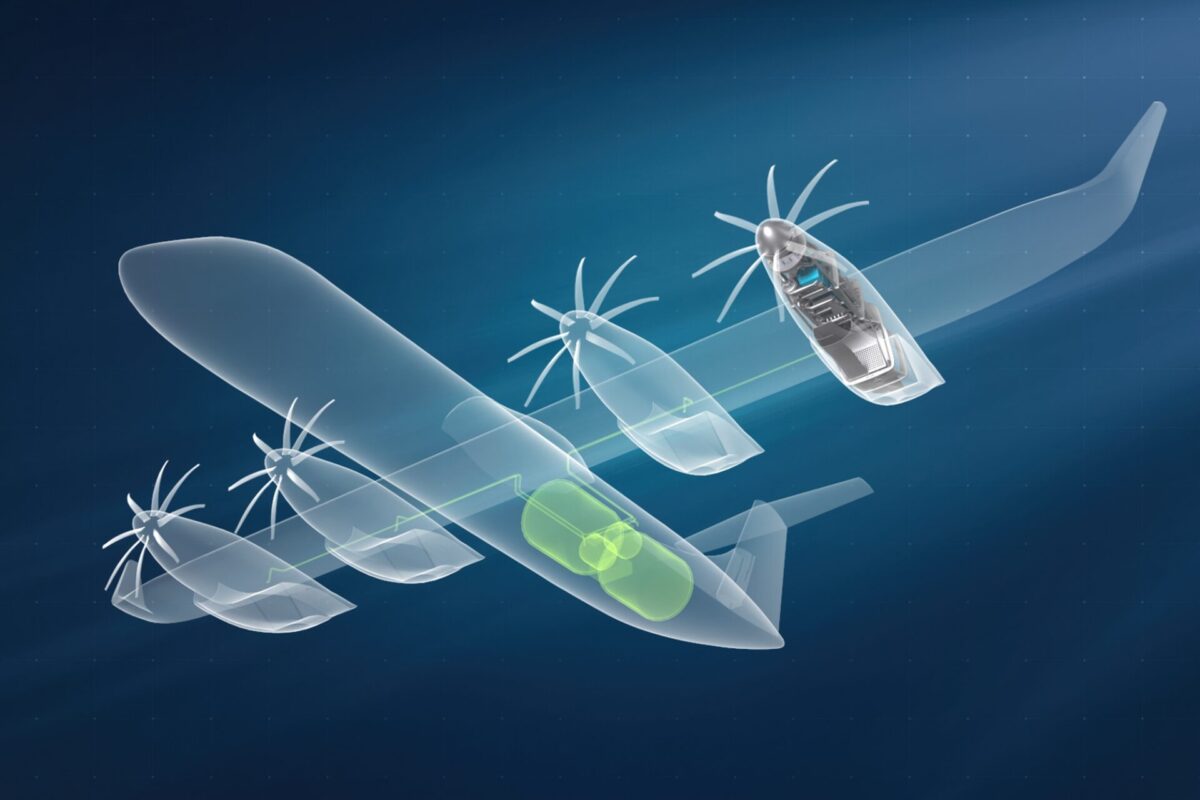
“By pooling our respective technology and expertise into a dedicated entity, we are establishing a European powerhouse capable of transforming advanced research into industrialised, certifiable electric propulsion systems,” Fichefeux added. “This new company will help secure strategic sovereignty in the next generation of aviation technologies while strengthening our ability to achieve the long-term ZEROe ambition.”
Airbus said it brings to the table “extensive commercial aircraft program knowledge, significant fuel cell propulsion and liquid hydrogen expertise”.
MTU has multiple years of fuel cell technology development and is recognized for its “engine design, integration, validation and certification”.
“Our ambitious goal is to pave the way for a newly developed, safe, reliable and economical propulsion system that will contribute to climate-neutral aviation,” Dr. Stefan Weber, SVP Engineering and Technology at MTU Aero Engines, said. “This project is a crucial milestone on our path to the first hydrogen-powered engine – and this is true European technology leadership.”
He added: “To that end, we want to create a company that covers the entire life cycle of fuel cell powertrains – from development and testing through certification to commercialisation.”
Positive lift for hydrogen-electric engine development
In 2025, it was reported that Airbus was extending the development timeframe of the ZEROe program for between five to 10 years past the original 2035 target date.
On February 7, 2025, Airbus confirmed that the ZEROe program would be delayed. However, it reaffirmed its commitment to continue developing a hydrogen-powered airliner.

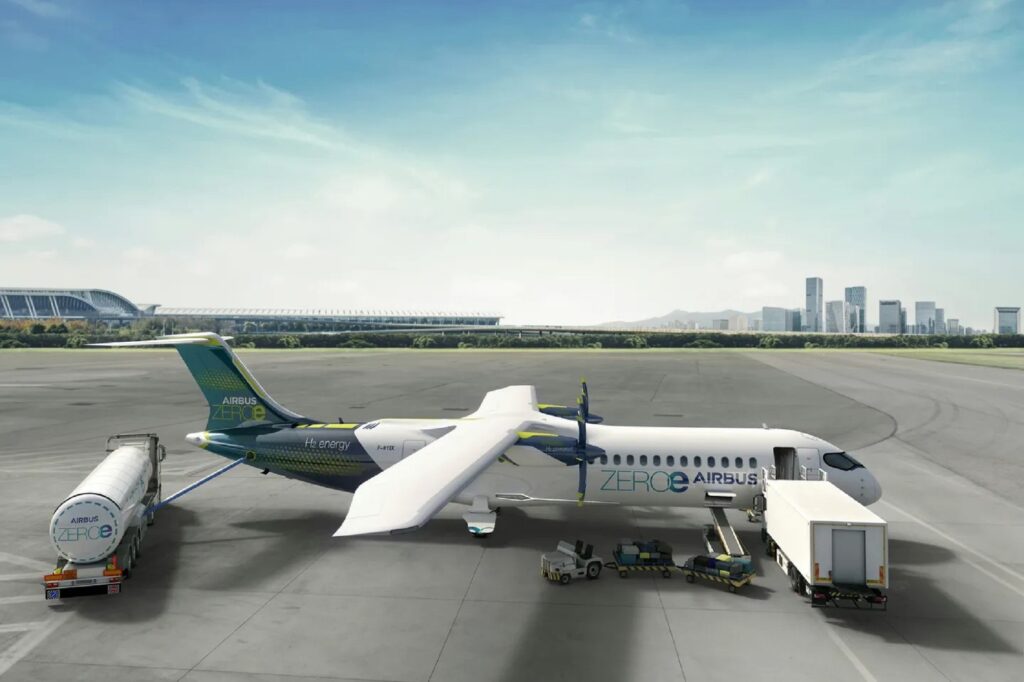
The decision was seen as a setback for the hydrogen aviation industry, given that Airbus was the largest aviation manufacturer to have committed to the development of this technology at scale.
Airbus’ ZEROe project was launched in 2020 to explore hydrogen combustion and hydrogen fuel cells as potential propulsion methods.
In 2025, Airbus announced that the hydrogen fuel cell technology had been selected as the propulsion method for its ZEROe aircraft.
The new joint venture between Airbus and MTU Aero Engines is expected to start operations in 2027.