
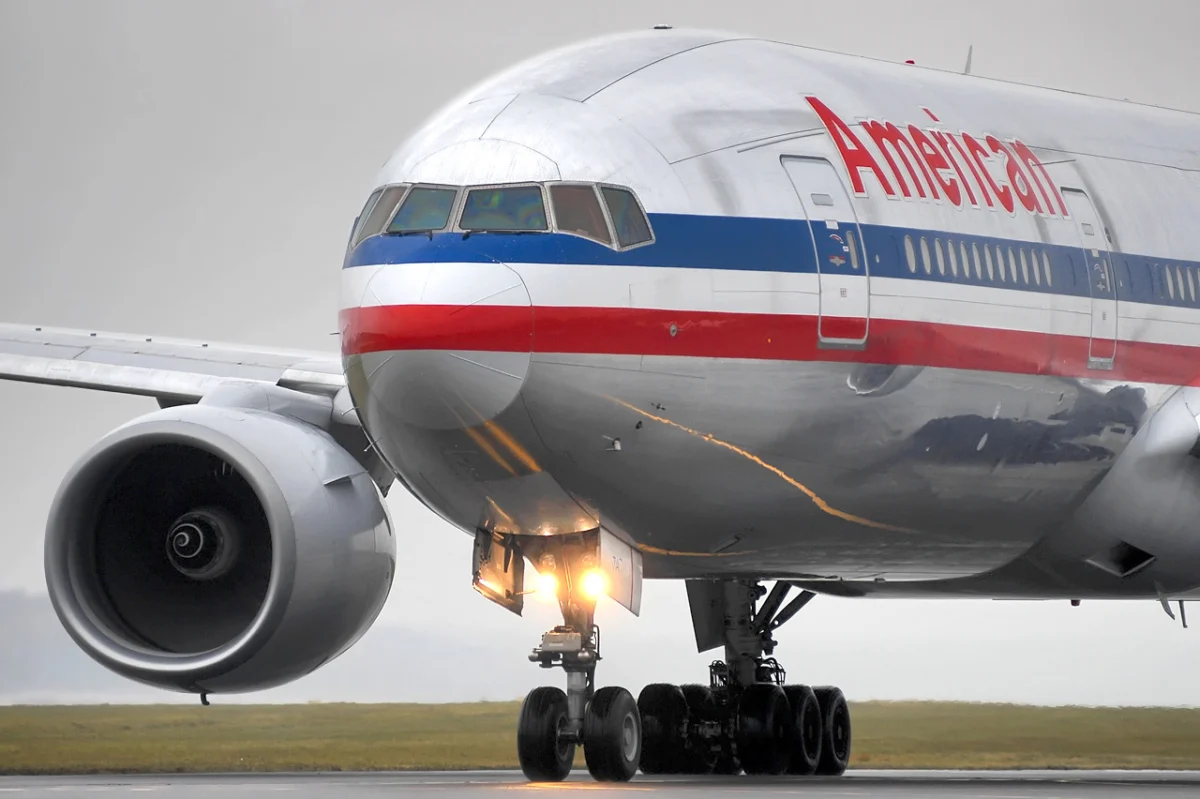
American Airlines and Southwest Airlines have lowered their 2026 earnings expectations as another sharp increase in jet fuel prices has added fresh pressure to carriers heading into the second half of the year.
The latest revisions show how quickly the fuel picture has changed again, following the breakdown of a ceasefire with Iran and renewed shipping disruptions across the Middle East.
American now expects its full-year result to fall between an adjusted loss of $0.65 per share and a profit of $0.65. The airline previously forecast a range between a $0.40 loss and a $1.10 profit.
The carrier also expects to post an adjusted loss of $0.10 to $0.70 per share during the third quarter, despite forecasting revenue growth of 16% to 19%.
American based that outlook on an average fuel price of about $3.75 per gallon.
The revised forecast came only three months after American cut its outlook in April, when it warned that higher fuel prices could add more than $4 billion to its 2026 expenses.
Fuel prices later eased, but the relief did not last. The spot price of jet fuel had climbed back to about $3.65 per gallon by July 22 after falling to roughly $2.81 earlier in the month, according to Argus.
American said that strong fares and demand helped it recover nearly half of a $2.2 billion year-over-year increase in second-quarter fuel expense. The airline still reported record quarterly revenue of $16.7 billion, but net income fell to $71 million from $599 million a year earlier.
Southwest has also adjusted its outlook as fuel costs offset gains from higher fares and changes to its commercial model.
The Dallas-based carrier now expects adjusted earnings of $3.25 to $4.25 per share for 2026. Southwest had previously maintained a target of at least $4 per share, although it warned in April that reaching that level would require lower fuel prices or stronger revenue.
Southwest said its second-quarter fuel expense increased by nearly $900 million compared with the same period last year.
The airline has kept capacity nearly flat while raising revenue through higher fares, assigned seating, checked-bag fees, extra-legroom fees and growth in business travel and loyalty revenue.
Southwest has also trimmed its expected full-year capacity growth to about 1.5%, down from 2%, as it focuses on generating more revenue from its existing network rather than adding flights.
American and Southwest are not alone. IATA has warned that high fuel prices could cut global airline profits roughly in half in 2026.
Alaska Air Group suspended its full-year guidance in April after estimating that fuel would average about $4.50 per gallon during the second quarter. According to the company, that would add roughly $600 million to its expenses for the period. Alaska also reduced capacity in May and June as it worked to limit the damage.
The response has not been uniform across the industry, however. Delta Air Lines affirmed its full-year guidance of $6.50 to $7.50 per share when it reported second-quarter results on July 10. Delta expects fuel to average about $3.15 per gallon during the third quarter and has already reduced capacity growth, while moving to recover more of the added cost through higher fares.
United Airlines went further and raised its full-year guidance to $9 to $11 per share, even as it projected nearly $6 billion in additional fuel expense during 2026, compared with its assumptions at the start of the year.
United claimed that the increase in fuel prices since the beginning of July alone would add around $575 million to its third-quarter costs.
This split reflects more than differences in fuel hedging or accounting. Airlines with strong premium demand, large international networks and greater pricing power have so far recovered more of the added expense through higher fares and schedule changes.
Others are facing a harder choice between passing the cost on to passengers, cutting capacity or accepting lower margins.