
ANA Holdings (ANA HD), Japan’s largest airline group, announced on May 29, 2026 that it has invested in Phoxter Corporation, an Osaka-based startup that builds automation systems for transport and inspection in the manufacturing and logistics industries.
The investment was made through ANA HD’s corporate venture capital fund, the ANA Future Frontier Fund, an JPY 8 billion (US$50.2 million) fund established in April 2024 and managed in partnership with Global Brain Corporation.
The fund backs startups working in areas that can strengthen ANA’s operations or open new business opportunities, from robotics and AI to sustainable aviation fuel and air mobility.
An existing partnership
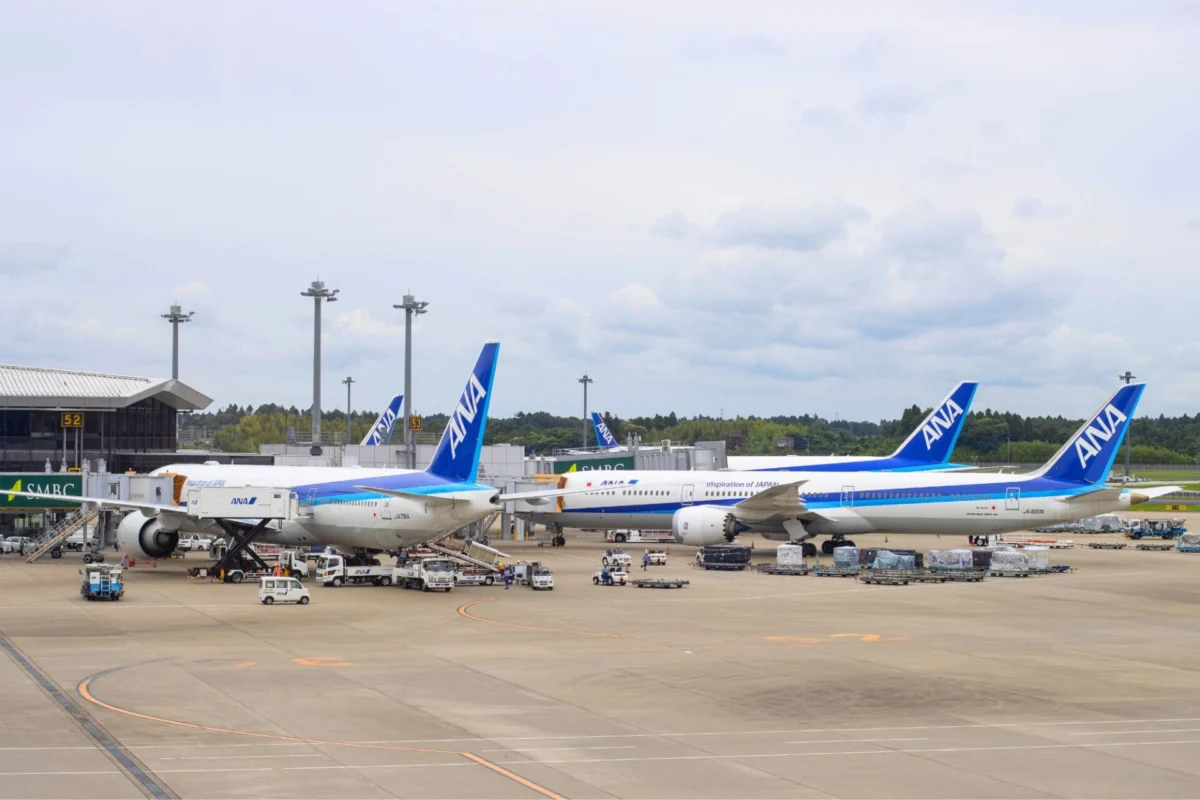
The two companies are not new to each other. ANA Group has already deployed 60 of Phoxter’s automated guided vehicles at Narita Airport’s largest cargo hub, where they help move freight, streamline workflows, and reduce delays caused by congestion. The investment is intended to deepen that relationship and support further automation projects aimed at improving efficiency and safety across the group’s aviation logistics operations.
Tackling labor shortages with in-house automation
Phoxter, founded in 2017, develops both the hardware and the control software for its automation systems in-house. That integrated approach allows the company to tailor its solutions to complex environments like airports and warehouses where off-the-shelf systems often fall short. Its product lineup includes transport automation for on-site logistics and AI-powered inspection systems designed to improve operational accuracy.
The move reflects a broader challenge facing the aviation and logistics industries in Japan, where labor shortages are pushing companies to automate tasks that have traditionally been done by hand. For ANA HD, investing in companies like Phoxter is part of a longer-term strategy to keep its operations running smoothly as the workforce shrinks and demand for air cargo continues to grow.