
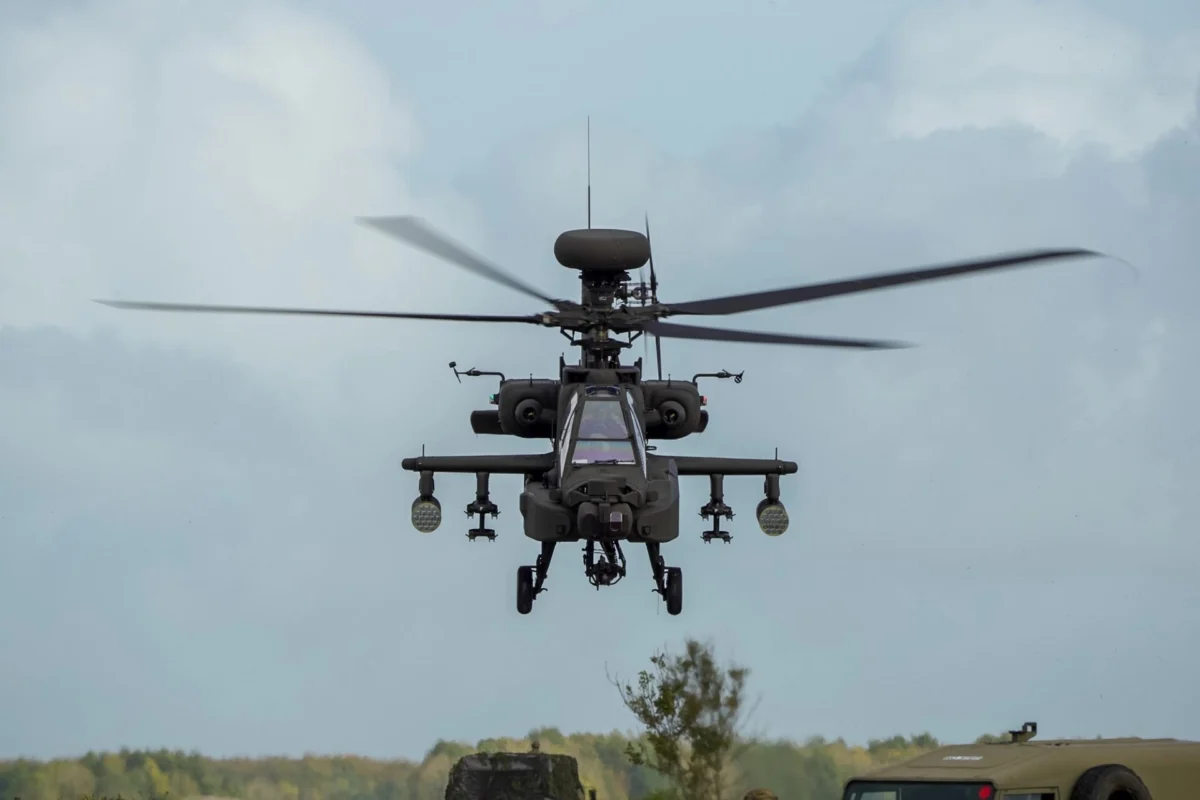
BAE Systems and Anduril Industries are among four defense companies on a shortlist to develop drone designs capable of being the wingmen for the UK’s Apache attack helicopters.
On May 15, 2026, the UK’s Ministry of Defense said BAE Systems, Anduril, Tekever and Thales UK would receive $13 million (£10 million) worth of investment as the program reaches a new milestone.
The Ministry of Defense said all four designs would be further assessed before a final partner is chosen later this year.
The wingmen are being developed to accompany the British Army’s Apache helicopters as part of Project NYX, a concept demonstrator program to develop Uncrewed Air Systems (UAS).
Mission types for the drones will include reconnaissance, precision strike, target acquisition and electronic warfare in contested environments.
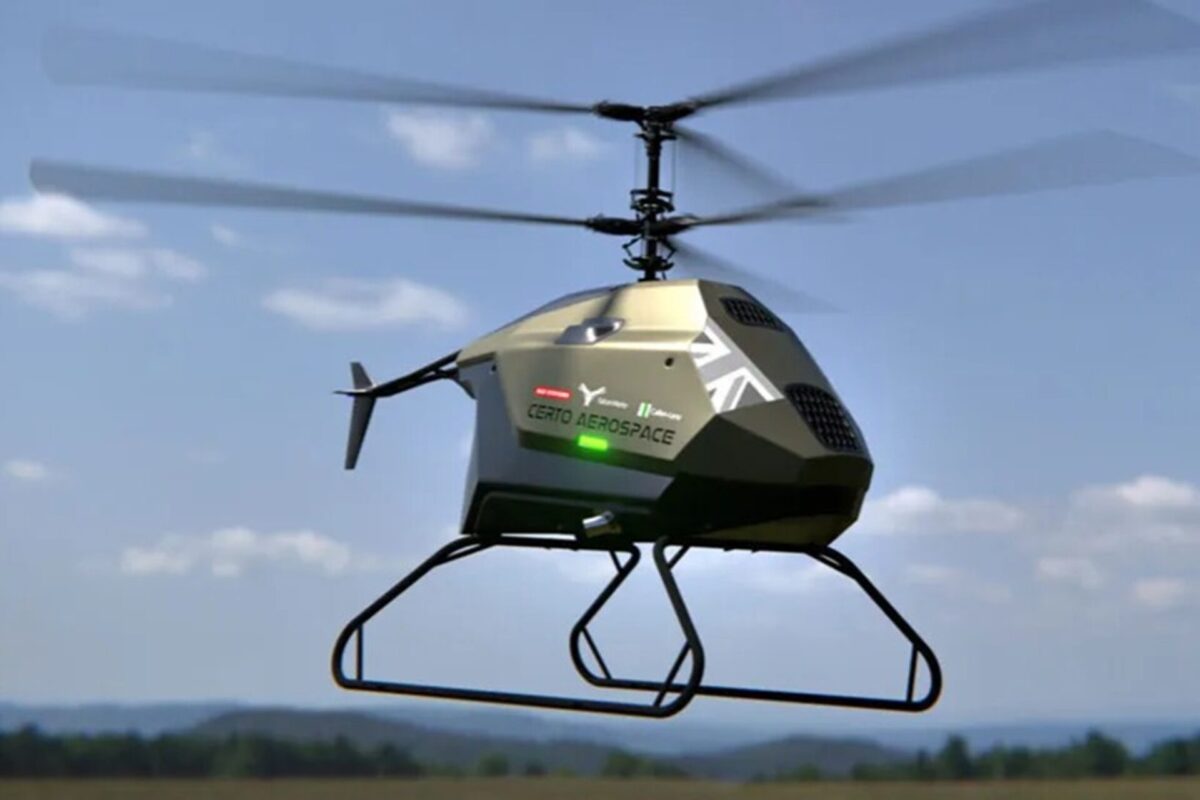
The wingmen will be fully autonomous with Apache pilots benefiting from the information they’re providing, without needing to control them directly. All decisions which result in the use of weapons will continue to be made by an individual.
“This is British ingenuity at its best – cutting-edge drones working alongside Apache helicopters to give our soldiers an unbeatable advantage on the battlefield. The UK isn’t just keeping up with the future of warfare, we’re driving it,” said Minister for Defense Readiness and Industry, Luke Pollard MP.
He added: “This government said it would act with urgency to strengthen our defenses and back British industry, and that is exactly what we are doing – investing now in the capabilities our Armed Forces will need to stay ahead of our adversaries and keep this country safe.”
The MOD is planning to work with the four partners over the coming months to assess each design, with the intention of taking up to two of the strongest contenders forward to the next phase.
Their proposals include a variety of uncrewed air systems, each offering innovative autonomy, payloads and sensors. The four were selected from a larger group.
The two companies that are chosen later this year will build prototypes and if their designs prove successful, the aim is to field an operational variant for use by 2030.