
Machinists at Boeing’s defense factories in the St. Louis region have ratified a new five-year contract, officially ending a strike that began on August 4, 2025. The union representing the workers, International Association of Machinists and Aerospace Workers (IAM) District 837, announced that the contract was approved on November 13, 2025, with operations resuming immediately at Boeing facilities in Missouri and Illinois.
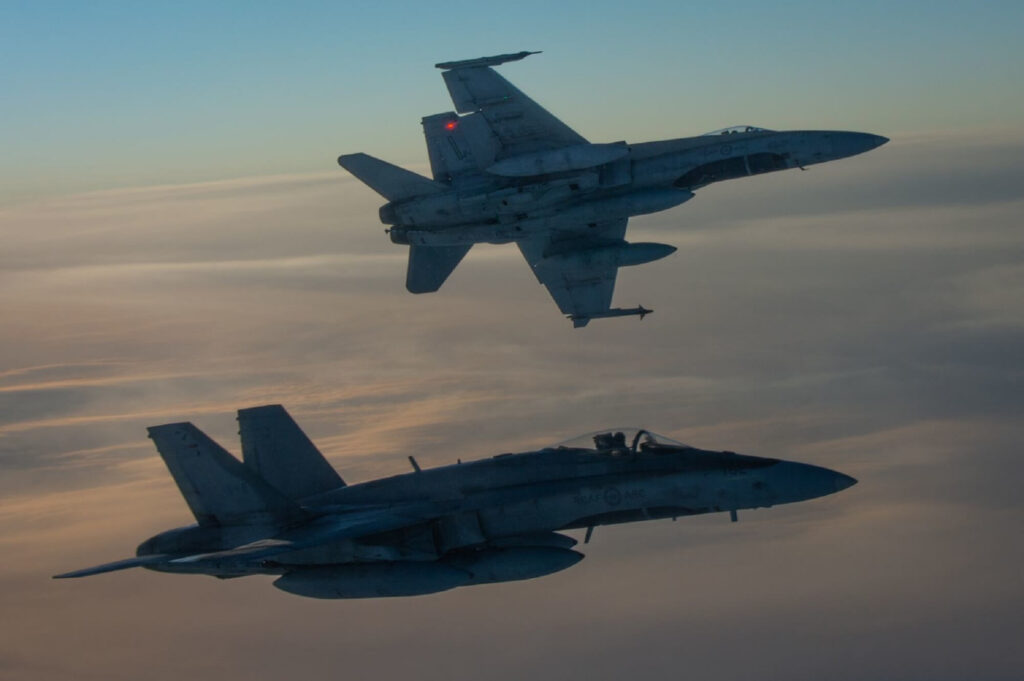
The agreement covers approximately 3,200 workers at Boeing factories in St. Louis, St. Charles (Missouri) and Mascoutah (Illinois) which produce fighter jets, trainer aircraft, weapon systems, and other defense components. The strike, which lasted roughly 101 days, disrupted production of key programs including the F-15 and F/A-18 fighters and the T-7 trainer.
Under the terms of the new contract, workers will receive a pay increase of 24% over the five-year term of the deal, as well as $6,000 signing bonuses. The average salary for workers is reported to rise from about $75,000 to $109,000. Additional provisions include more vacation time and better sick-leave terms, plus a guarantee of job security for striking workers returning from the walk-out.
In an announcement, Boeing confirmed that it expects to have the workforce at its factories by November 17 and looks forward to “bringing our full team back together” to support customers and production commitments. For its part, the union issued a message of solidarity and achievement, stating, “We’re proud of what our members have fought for together and are ready to get back to building the world’s most advanced military aircraft.”
Negotiations over the strike had been protracted. Early in the dispute, workers rejected several of Boeing’s contract proposals, including one including a 20% wage increase and a $5,000 bonus over four years. The union also drafted its own four-year contract, which Boeing declined to accept. The strike escalated as disagreement centered on pay, retirement benefits and overtime rules. Congressional pressure soon began to heat up, with lawmakers urging Boeing to return to the bargaining table.