

Boeing said it expects Southeast Asia to need almost 5,000 new commercial airplanes over the next two decades. According to the planemaker’s 2026 Commercial Market Outlook (CMO), the region will take delivery of 4,985 new aircraft between 2026 and 2045, more than tripling its fleet from 1,475 aircraft to 5,215. Three quarters of those deliveries will add new capacity rather than replace older jets.
AeroTime met with Dave Schulte, Managing Director of Commercial Marketing for Asia Pacific at Boeing, in Kuala Lumpur during the 70th Assembly of Presidents of the Association of Asia Pacific Airlines (AAPA).
In an exclusive interview, Schulte discussed what is driving demand in the region, how the B737-10 is reshaping the narrowbody market, and why a difficult 2026 has not changed Boeing’s long-term view. He also shared where Indonesia, Southeast Asia’s largest aviation market, fits in the company’s plans.
Three quarters of demand is for growth
The latest forecast is higher than the Southeast Asia outlook Boeing presented at the Singapore Airshow in February 2026, which called for 4,885 new airplanes.
Asked what is behind the revised number, Schulte pointed to the nature of the market rather than the age of today’s fleets. “Southeast Asia is a high-growth market, and so it’s one of the fastest-growing markets in the world,” he said. Only about a quarter of new deliveries will replace older aircraft. The CMO puts that at 1,245 airplanes, with the remaining 3,740 going toward growth.
Schulte said that growth reaches well beyond airlines. “When airplanes come into the market, they’re economic multipliers,” he said. “They help to grow the economy. They help to grow GDP for the countries.”
That expansion will also require people. Boeing’s 2026 Pilot and Technician Outlook projects that Southeast Asia will need 66,000 new pilots, 83,000 maintenance technicians and 109,000 cabin crew over the next 20 years, or 258,000 new personnel in total.
The replacement aircraft matter too. According to Schulte, new-generation airplanes bring efficiency improvements of 20% to 30%, allowing airlines to burn less fuel and cut emissions.
Traffic is outpacing the fleet
Boeing forecasts Southeast Asia’s passenger traffic to grow 6.7% a year over the next two decades, slightly faster than the fleet’s 6.5%, supported by regional GDP growth of 4.1%.
“The passenger travel demand is actually going to outpace the number of airplanes that come into the market,” Schulte said. He expects two results. Load factors will keep rising, and aircraft will keep getting bigger. On average, he said, the size of airplanes in Southeast Asia has grown by about two seats per year.
The past decade shows how quickly the market has expanded. At a media briefing on Boeing’s outlook during the Assembly, Schulte said the number of airport pairs in Southeast Asia has grown 2.5 times, monthly flights 2.6 times and capacity 2.8 times. Monthly seats have risen from about 17 million to almost 50 million.
Bigger narrowbodies, fewer widebodies
While the overall forecast has grown, Boeing’s widebody projection for the region has come down. In February 2026, the company projected demand for 910 widebodies in Southeast Asia. The 2026 CMO now puts the figure at 855, compared with 4,080 single-aisle aircraft.
Schulte linked the change to airlines moving into larger narrowbodies, with the B737-10 as one example. “In the markets that make sense, some of the shorter markets with still high capacity, high demand, you’ll really use the bigger narrowbody airplanes,” he said.
The B737-10, which the US Federal Aviation Administration (FAA) certified on October 20, seats up to 230 passengers. At the briefing, Schulte said it promises some of the best per-seat economics among single-aisle aircraft and has accounted for more than 60% of B737 family orders so far in 2026. Schulte expects many operators in the region to move up from B737-800 and B737-8 size aircraft to the larger variant.
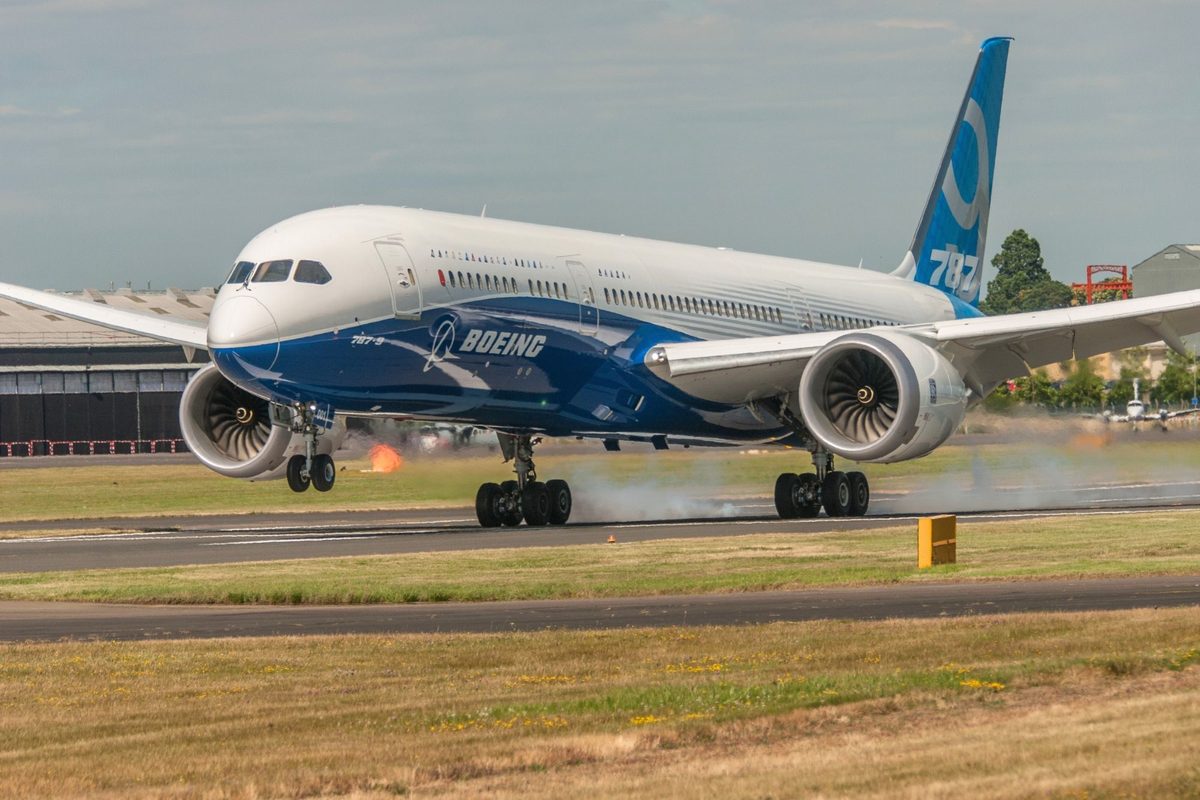
The widebody market is far from fading, however. Schulte said Southeast Asia will continue to be “a really strong market” for the B787, adding that the aircraft can connect the entire region with the United States.
A tough 2026, a 20-year view
According to the CMO, low-cost carriers will operate more than three out of every four new single-aisle jets delivered to the region over the next 20 years, with their single-aisle fleets growing nearly 7.5% a year. But high fuel prices and disruption in the Middle East have made 2026 a difficult year for airlines.
Schulte drew a clear line between near-term challenges and long-term forecasts. Airlines, he said, have shown resilience and adaptability, finding ways “to cut non-performing markets and open performing markets.”
“When we look at our long-term forecast, we account for the ups and downs of the market,” he said. “In terms of ordering airplanes, airlines are focused on their long-term strategy more so than their near-term challenges.”
The recent data supports that view. At the briefing, Schulte said global passenger traffic has rebounded to slightly above last year’s level, while air cargo is up about 5% year to date. Economists have trimmed global GDP growth expectations to around 2.5% for the year, and fuel prices have weighed heavily on profitability even as many airlines post record revenues. Yet traffic has historically kept growing through periods of high fuel prices, he noted.
Those long-term plans now stretch well into the next decade. Asked what delivery slots a Southeast Asian airline can realistically secure today, Schulte said: “For most products from any manufacturer, it’s going to be in the mid-2030s, a little bit earlier for some models and a little bit later for some other models.”
Indonesia’s untapped potential
Few markets matter more to Boeing’s regional ambitions than Indonesia, which aviation analysts have long ranked among the world’s largest domestic markets. “I think that there’s lots of opportunity in Indonesia,” Schulte said, noting that the country is home to the largest B737 fleet in the region.
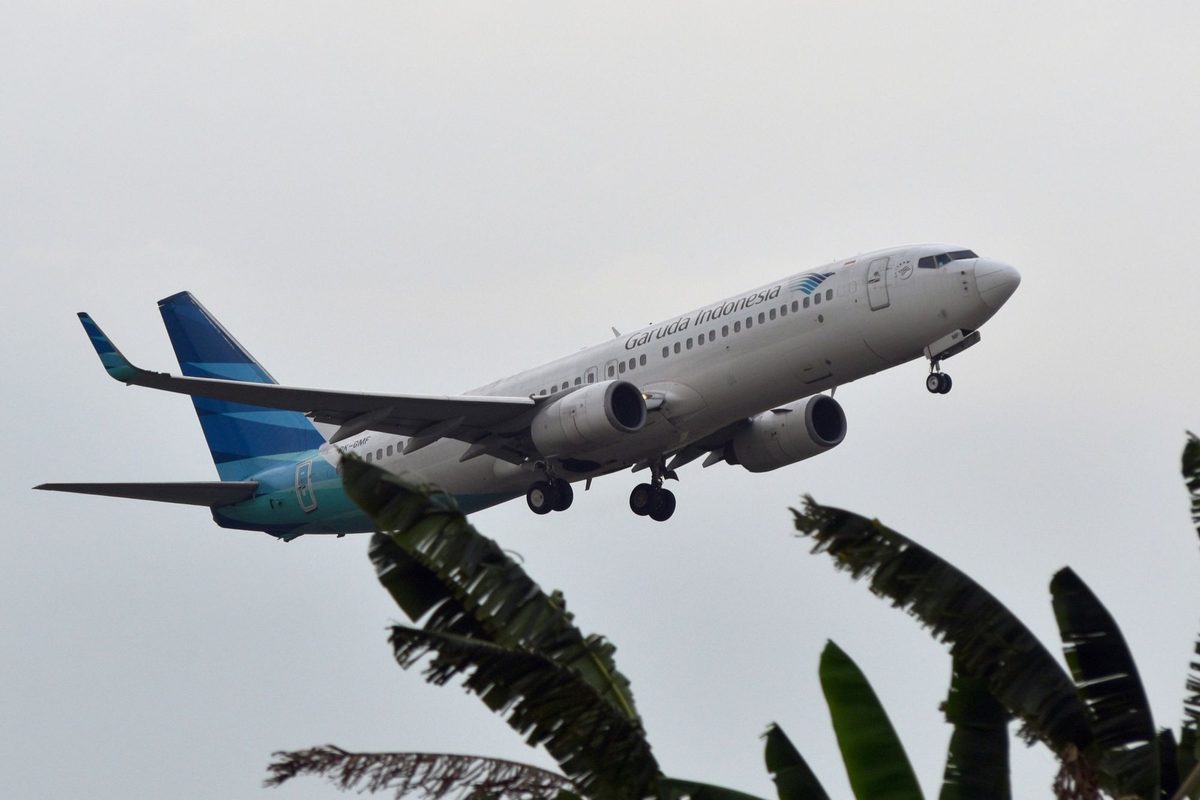
He sees opportunity on two fronts: replacing older aircraft with new-generation models, and growth. At a Boeing briefing in Jakarta in August 2025, Schulte said Indonesia had just 0.4 departing seats per capita, well below the Southeast Asian average of around 0.65. Closing that gap, he said at the time, would require about 600 new aircraft.
So what is holding the market back? “The economics and fares are a challenge that is discussed frequently across Indonesia,” Schulte said. “It’s a tricky balance of providing profitable growth for airlines and having the right balance of fares for the public.” Fuel prices, he added, are “affecting everybody.”
Still, geography works in aviation’s favor. As an archipelago, Indonesia depends on air travel to link its islands, much like the Philippines. “It’s a large market, with many people, and you have to use airplanes to connect,” Schulte said.
Nearly eight decades in Malaysia
Kuala Lumpur was also a fitting backdrop for the conversation. Boeing’s partnership with Malaysia dates back to 1947, Schulte said, and Boeing has since delivered more than 200 airplanes to the country.
Boeing employs about 1,100 people in Malaysia and works with 16 aerospace suppliers based there. According to Schulte, every Boeing airplane built today carries Malaysia-made parts.