
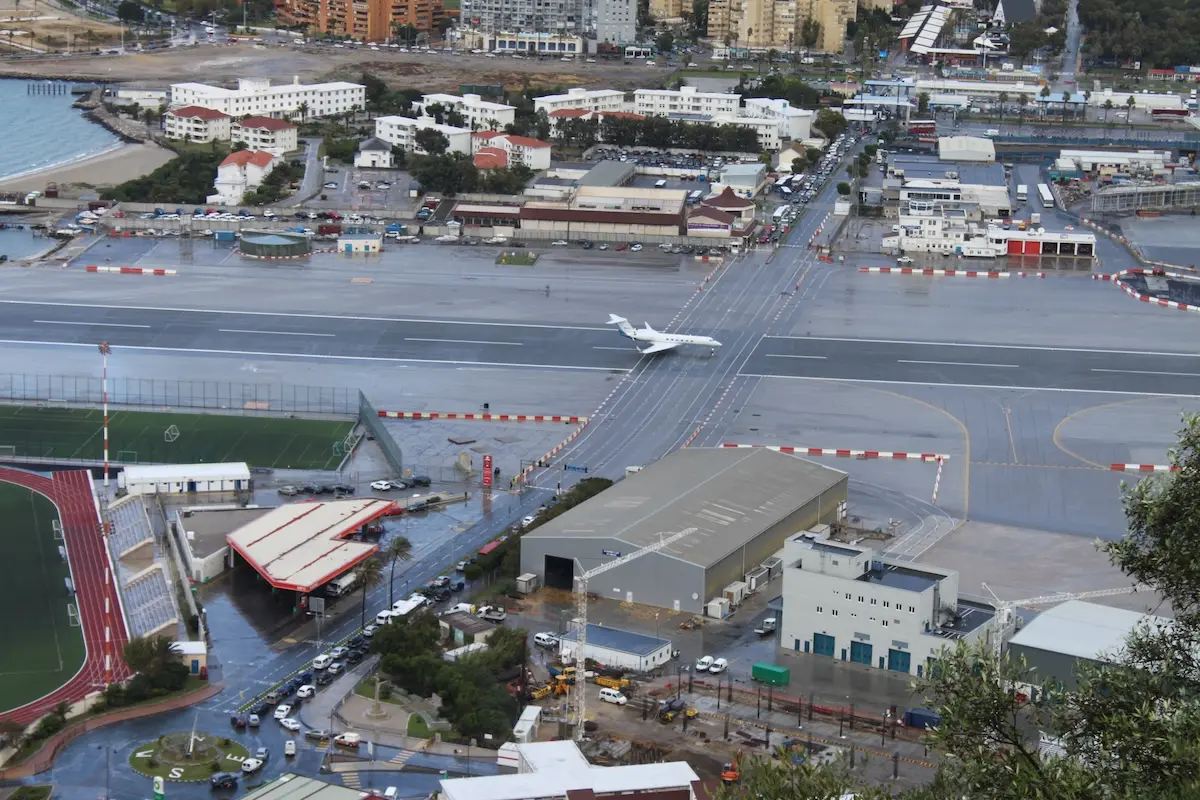
The British overseas territory of Gibraltar launched its own aircraft registry on August 4, 2026, with the signature of an agreement between the government of The Rock and Aviation Registry Group, a specialized aviation services firm led by David Colindres, which runs also the aircraft registries of Aruba and San Marino.
However, the new registry is not yet open for business and will still need to pass an audit conducted by the newly created Gibraltar Civil Aviation Authority (GCAA), which will be under the supervision of the Civil Aviation Authority (CAA) of the United Kingdom. While the GCAA was established in 2024, it only became active in February 2026.
Aircraft owners will be able to apply for their aircraft to be registered in Gibraltar before the end of 2026. Aircraft registered in the territory will get the ZD- prefix.
It is expected that the first users of the new registry will primarily be executive aviation operators and private jet owners and operators, although commercial operators could use the VP-G registration in the future. Aviation Registry Group is pitching the Gibraltar registry on the back of the territory’s Common Law jurisdiction and an internationally competitive tax regime.
Despite the public launch of the registry taking place just days after Gibraltar’s entry of into the Schengen European free movement area and the removal of the physical barrier that separated the British territory from Spain, the creation of a Gibraltarian aircraft registry has been in the making for several years.
Although unrelated to the setup of the territory’s aviation authority and aircraft registry, it is worth noting that Gibraltar’s place within the broader European aviation regulatory framework has long been a bone of contention between the UK and Spain, which claims that the literal terms of the Treaty of Utrecht, which ceded the Rock to Britain in perpetuity, apply only to the land part of the territory.