
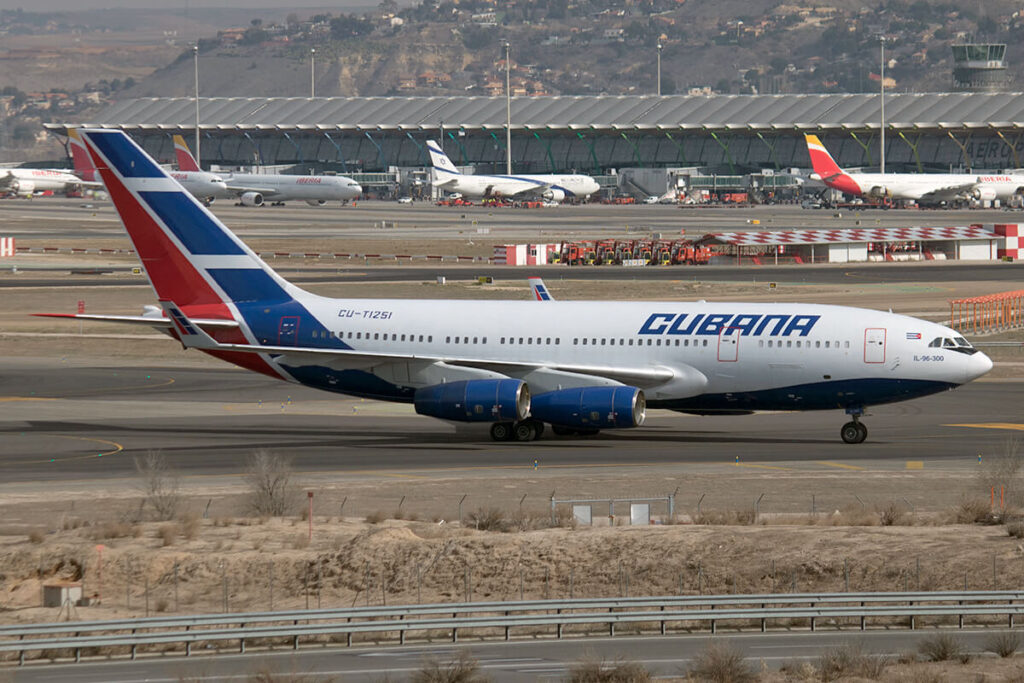
Cuba has stopped selling jet fuel to international airlines after US pressure on the island’s energy supply triggered a fuel shortage, a move that threatens to disrupt commercial air service and deepen the country’s current economic crisis.
Cuban authorities said the country exhausted its aviation fuel supplies on February 9, 2026, forcing foreign carriers to arrive with enough fuel for round-trip operations, seek alternative refueling stops, or cancel service. Officials did not have a timeline for when fuel supplies would be restored. The shortage affects all of the country’s international airports.
The decision comes as the Trump administration escalates pressure on Havana, including threats to impose tariffs on any country that supplies oil to Cuba. The White House recently declared the Cuban government an “unusual and extraordinary threat,” renewing a national emergency designation that allows for expanded economic restrictions.
The Cuban government has announced broad rationing measures that include limits on gasoline and diesel sales, reduced workweeks at state-owned companies, shortened school days, and the temporary closure of some tourist sites. Tourism, a critical source of hard currency, has suffered a sharp downturn, with visitor numbers falling well below official targets.
Russia, one of Cuba’s closest allies, described the situation as “truly critical.” Kremlin spokesperson Dmitry Peskov said US pressure has created significant difficulties for Havana, adding that Moscow remains in close contact with Cuban officials.
The aviation fuel cutoff has immediate operational consequences for airlines serving the island. Carriers now face higher costs and logistical complexity, particularly on shorter regional routes where aircraft do not typically carry excess fuel. Some airlines are expected to adjust schedules, reduce frequencies, or suspend service entirely if the shortage persists.
Mexico, which previously supplied oil and refined products to Cuba, paused shipments amid pressure from Washington. Mexican President Claudia Sheinbaum said her government plans to send humanitarian aid and is exploring diplomatic options to resume energy supplies, though no timeline has been announced.
Cuban airlines operating international routes can continue flying by refueling at foreign airports or adding fuel stops when needed, though the lack of jet fuel at home is anticipated to complicate operations and, at a minimum, raise costs.
Cuba’s foreign minister, Bruno Rodríguez Parrilla, condemned the US measures, accusing Washington of using economic coercion to isolate the island.
Years of underinvestment, aging infrastructure, and restricted access to global energy markets have left the country vulnerable to supply disruptions. With little domestic refining capacity and few reliable suppliers, even short-term interruptions can cascade quickly through transportation, tourism, and essential services.
Airlines that fly to Cuba say they are closely monitoring developments, but without a clear timeline for fuel replenishment, operators admit may need to make longer-term network decisions.