
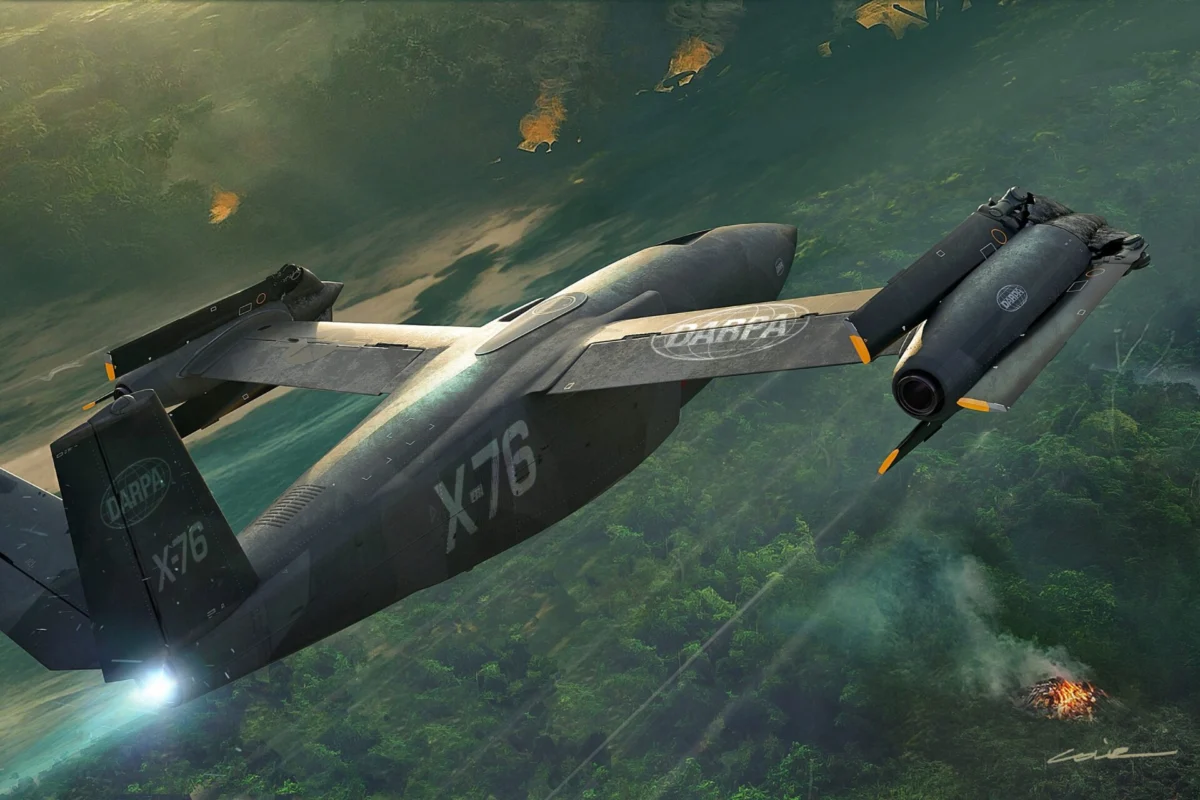
Bell’s high-speed vertical lift demonstrator for DARPA’s SPRINT program has received the official X-76 designation and passed its Critical Design Review, allowing the aircraft to move from design into the build phase.
The X-76 is being developed under DARPA’s SPRINT, or SPeed and Runway INdependent Technologies, program, a joint effort with US Special Operations Command. The goal is to demonstrate an aircraft able to cruise at more than 400 knots while still hovering in austere environments and operating from unprepared surfaces.
DARPA also attached symbolic value to the designation itself. The agency said the X-76 name is a deliberate reference to 1776, coinciding with the United States’ 250th anniversary and intended as a nod to the experimental spirit traditionally associated with X-plane programs.
If successful, the concept would address a long-standing tradeoff in aviation, between the speed of fixed-wing aircraft and the flexibility of vertical lift platforms. DARPA said Phase 3 flight testing is planned for early 2028.
Bell moves from selection to construction

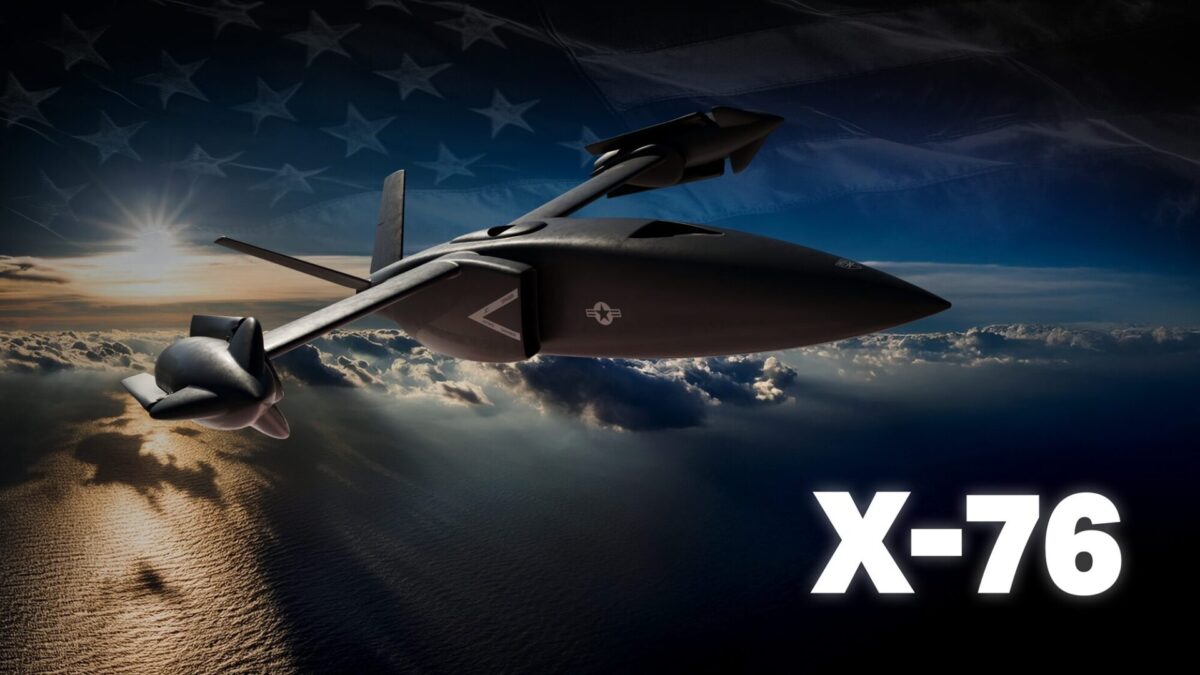
The latest announcement builds on Bell’s July 2025 down-selection for Phase 2 of the SPRINT effort, when the company beat rival Aurora Flight Sciences to continue into detailed design, construction, and ground testing of a demonstrator aircraft.
Bell said the new demonstrator will feature what it described as first-of-its-kind stop/fold technology intended to let the aircraft transition from rotor-borne hover to efficient forward flight at much higher speeds than conventional helicopters.
DARPA now says that design phase has formally concluded with the successful Critical Design Review, shifting the program into manufacturing, integration, assembly, and ground testing. Bell also confirmed that the X-76 will now enter construction following the review.
In its statement, DARPA framed the aircraft as an answer to a growing operational vulnerability, namely the dependence of fast aircraft on prepared runways that may be exposed in a contested environment. If the concept works as intended, the X-76 would offer a platform that combines rapid response and dispersed basing flexibility, two attributes increasingly valued as militaries seek ways to operate under threat without relying on large fixed air bases [a doctrine known as Agile Combat Employment, ACE – ed. note].