
The Ebola outbreak across the Democratic Republic of the Congo and Uganda has again brought airport health screening and airline passenger-handling procedures into focus, even as global aviation authorities insist that international air travel can continue with proper precautions.
The World Health Organization declared the Bundibugyo Ebola outbreak to be a public health emergency of international concern on May 17, 2026. According to WHO, confirmed cases had been reported in Ituri Province in eastern Democratic Republic of the Congo and in Kampala, Uganda, including cases linked to travel from DRC.
WHO Director-General Dr. Tedros Adhanom Ghebreyesus warned that the outbreak remains difficult to control, suggesting that the situation “will get worse before it gets better,” according to ABC News.
The warning adds urgency to the aviation response, which so far has focused on targeted airport screening, travel-history checks and airline procedures for sick passengers rather than broad flight bans. WHO and ICAO have continued to advise against closing borders or imposing broad travel and trade restrictions.
The outbreak has triggered aviation-related measures in several countries. In the United States, the Centers for Disease Control and Prevention and Department of Homeland Security imposed enhanced screening and arrival restrictions for travelers who were recently in DRC, Uganda or South Sudan.
The CDC said that foreign nationals who were in those countries within 21 days before arrival have been temporarily barred from entering the United States. US citizens, US nationals and lawful permanent residents may still enter, but they must undergo enhanced public health screening.
The US measures initially directed affected travelers through Washington Dulles International Airport. The CDC announced that airlines would contact travelers who had been in DRC, Uganda or South Sudan within 21 days before travel and rebook them through the designated screening airport.
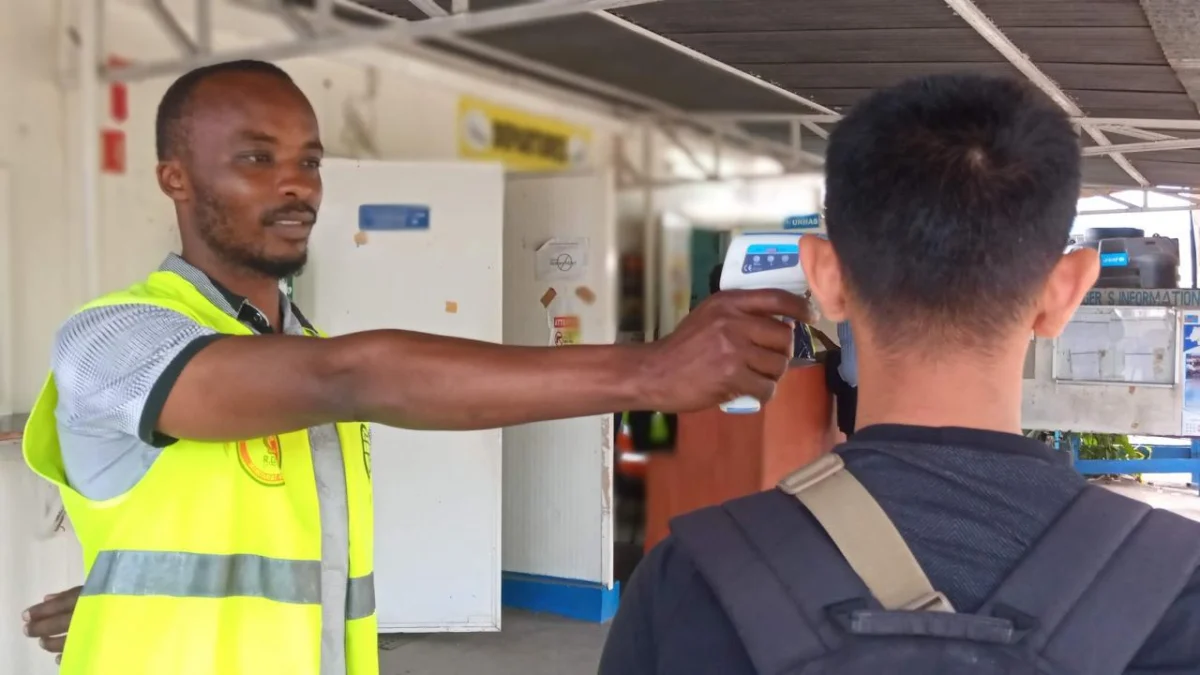
The screening process includes a travel and symptom questionnaire, contact-information collection, visual observation for illness and non-contact temperature checks. According to the CDC, travelers without symptoms may continue to their final destinations, while travelers with fever or other symptoms would be evaluated by a CDC public health officer.
India has also moved to tighten aviation protocols. The Directorate General of Civil Aviation issued Ebola procedures for airlines carrying passengers to India from or through affected countries, including DRC and Uganda. The rules require self-declaration forms before deplaning and passenger screening on arrival.
The Indian procedures also outline how airlines should handle a symptomatic passenger in flight, including isolating the passenger where possible, informing air traffic control and coordinating with airport health authorities upon landing.
ICAO declared that it is monitoring the outbreak through CAPSCA, its public health events program for civil aviation. The agency said that DRC and Uganda have implemented measures including case detection, isolation, contact tracing and screening at points of entry, such as airports and border crossings.
However, ICAO also pointed to WHO guidance that countries should not close borders or impose broad travel and trade restrictions. The agency said that entry screening outside the affected region is not considered necessary for passengers returning from areas at risk, while exit screening may be used at international airports for travelers with fever or other symptoms consistent with Ebola.
Ebola does not spread through casual contact or through the air. ICAO said transmission occurs through direct contact with the blood or bodily fluids of an infected person. This makes the aviation risk markedly different to airborne respiratory diseases such as COVID-19, but still operationally significant for airlines, airports and border agencies.
The CDC has declared that no suspected, probable or confirmed Ebola cases had been reported in the United States as of its May 21 update, and that the domestic risk remained low.