
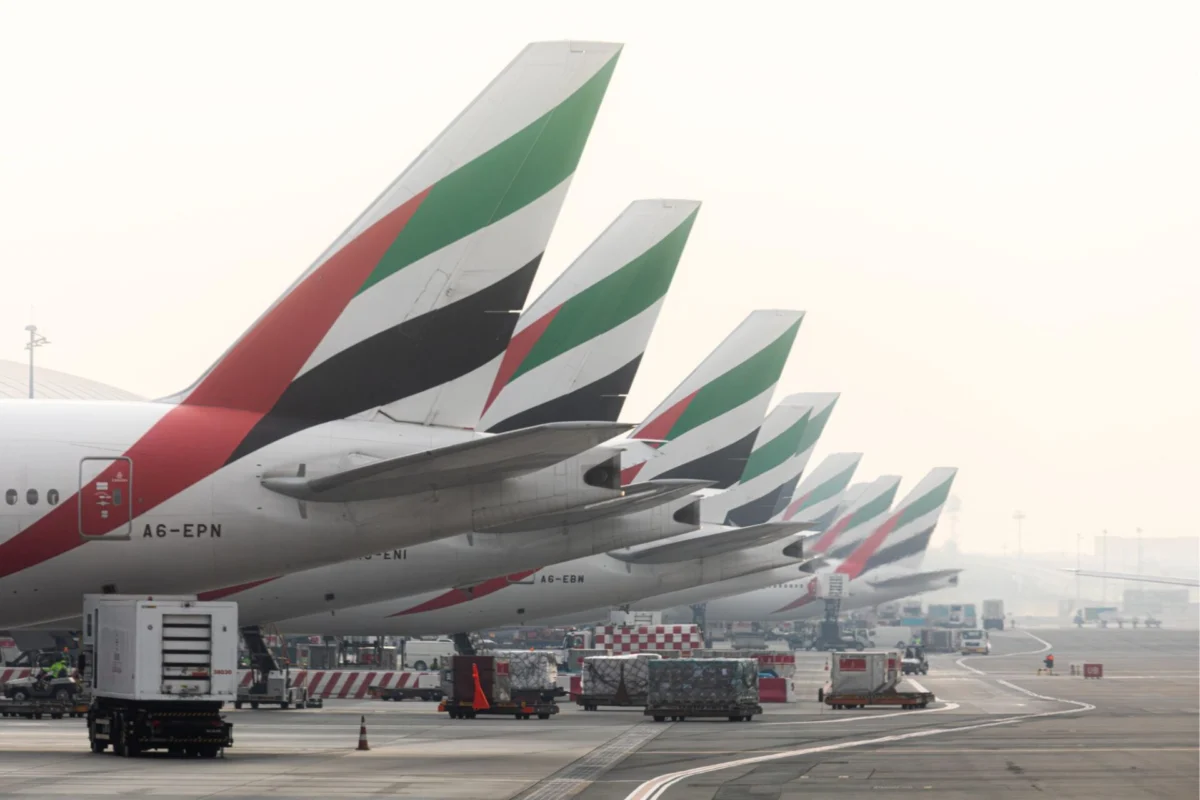
Emirates is working with insurance companies to create a travel insurance product for passengers flying into or through Dubai, aiming to address one of the biggest barriers to recovery: the inability of travelers to get standard insurance coverage for Gulf-bound trips.
The initiative was detailed by Emirates President Tim Clark in an interview with the Financial Times, published on June 11, 2026. Clark said that the product would be “reasonably priced” and would guarantee to get passengers home, regardless of whether the return flight is on Emirates or another airline.
“I think one of the big concerns is that if they get caught overseas and they can’t get back,” Clark said. The airline is working with insurers “to do the right thing.”
The insurance gap
More than three months after the current Middle East conflict began, several countries still have no-fly recommendations in place for the Gulf region. These advisories have effectively voided standard travel insurance for new bookings, as most policies treat government travel warnings as a known event, applying war and conflict exclusions.
Specialist coverage is still available through niche high-risk insurers, but at higher premiums and on tighter terms. The result is a consumer protection gap that many travelers only discover at the point of making a claim.
Despite the advisories, around 40,000 passengers a day are still transferring through Dubai’s airport – down from roughly 100,000 before the conflict, but growing steadily. Clark claimed that some flights from London are “bursting at the seams,” even without passengers being able to obtain standard insurance.
How Emirates has managed the risk
On the airline’s own war risk insurance, reports indicate Emirates is paying roughly US$100,000 per week in additional premiums to cover its entire fleet operating in and out of the region. One insurance executive described that rate as “outrageously low”.
By comparison, rival carriers are being quoted between US$70,000 and US$150,000 per individual flight landing in the Gulf.
Emirates restored services within four days of the conflict starting and was quickly back to 40% of its capacity, even as Dubai continued to face daily attacks. According to Clark, the city intercepted roughly 98% of nearly 3,000 incoming drones, missiles and cruise missiles, with flights operating in narrow air corridors patrolled by military jets. Initially, aircraft carried an additional five hours of fuel in case of diversions.