
European airlines and officials are turning to the US for replacement jet fuel as the region seeks to avert a summer supply crunch, caused by the disruption of shipments through the Strait of Hormuz.
US exports to Europe have surged to record levels in April 2026, softening the blow from lost Middle East supply as some shipping begins moving through the strait again.
Europe normally receives about 75% of its jet fuel imports from the Middle East, or roughly 375,000 barrels a day. In April 2026, US jet fuel shipments to Europe are projected at close to 200,000 barrels a day, the highest on record, as buyers scramble to replace missing Gulf volumes.
Even at the top of that range, Europe would still be short by about 175,000 barrels a day when compared to its normal Middle East intake. Only limited volumes are moving through the Strait of Hormuz and careful fuel management is helping to stave off broader disruption.
The shift has put the US at the center of Europe’s effort to keep fuel flowing, ahead of the peak summer travel season. US jet fuel exports reached 442,000 barrels a day in the week ending April 3, 2026, about double the 2025 average. The European Union, meanwhile, is working on emergency measures to optimize refinery output and manage supply across the bloc.
President Donald Trump added to that picture on April 11 when he said “massive numbers” of empty tankers were heading to the US to load oil and gas for export. Trump did not refer specifically to jet fuel or Europe in that comment, but the remark came as US exporters were ramping up shipments of energy cargoes to buyers hit by the Hormuz disruption.
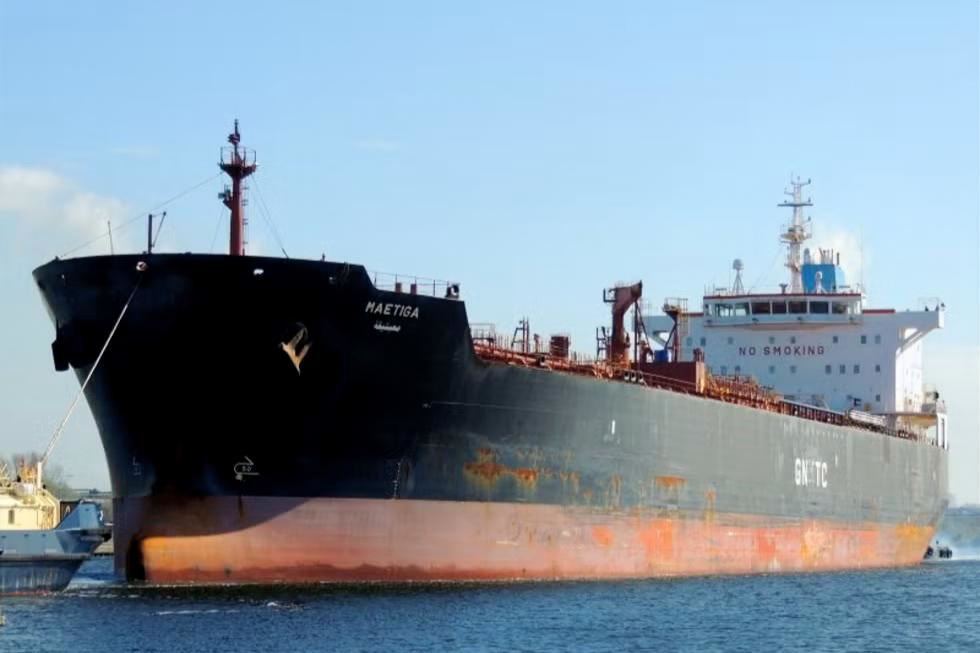
Now some supply is also getting through the Strait of Hormuz again, easing fears of a total shutdown, but not eliminating the risk to Europe. Reuters reported on April 16 that two US-sanctioned supertankers had entered the Persian Gulf despite the blockade, while other reporting this week pointed to limited tanker traffic resuming after the strait had been running at a fraction of normal levels.
The International Energy Agency has warned that Europe could begin seeing physical shortages by June if it replaces only about half of the lost Gulf supply. Fatih Birol, the agency’s executive director, told The Associated Press on April 16 that Europe has “maybe six weeks or so” of jet fuel left if current conditions persist.
Airlines and airports have already pushed Brussels to act. Airports Council International Europe warned last week that the region could face a systemic shortage within weeks, and Airlines for Europe has called for emergency steps, including tighter monitoring of fuel stocks. Stocks in the Amsterdam-Rotterdam-Antwerp hub have fallen to their lowest level since March 2023.