
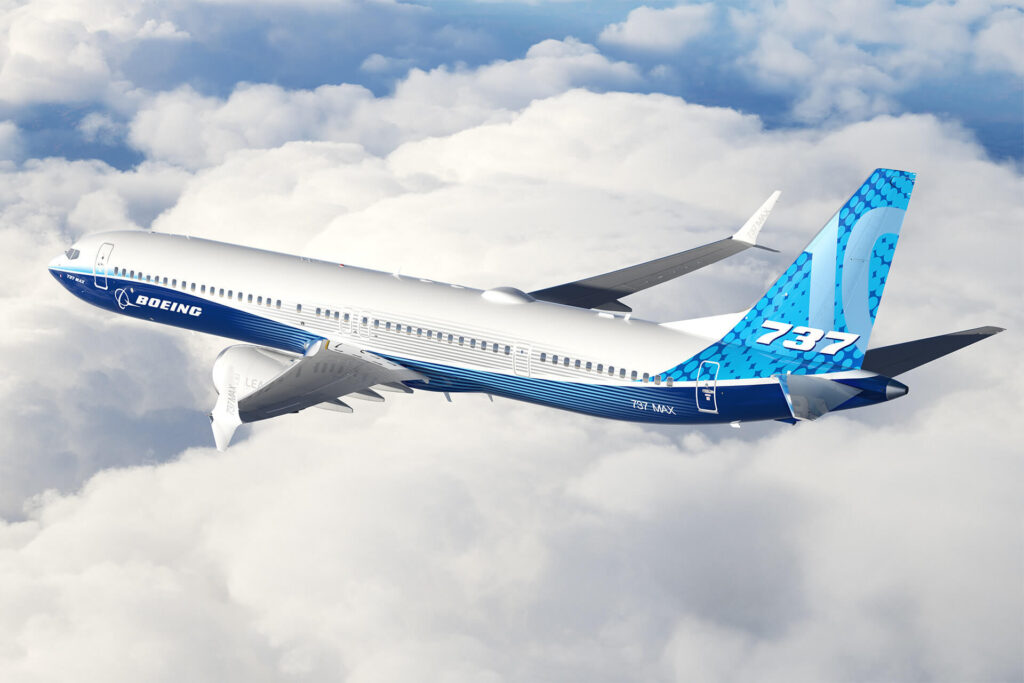
Boeing’s 737 MAX 10 has taken a meaningful step forward in its protracted certification campaign, with the Federal Aviation Administration clearing the jet to begin the second phase of flight testing, part of the aircraft’s Type Inspection Authorization (TIA) process.
The move expands the scope of 737 MAX 10 testing to include avionics, propulsion systems, and other critical systems as regulators continue rigorous scrutiny of the long-delayed single-aisle variant.
The MAX 10, the largest member of Boeing’s best-selling 737 family with more than 1,200 aircraft on order, has endured a series of setbacks that have pushed certification into 2026. An unresolved engine anti-ice issue remains a key hurdle, requiring comprehensive design changes and validation before the FAA will consider a full approval.
Boeing internally and publicly maintains that certification of both the MAX 10 and the smaller MAX 7 are achievable this year, though regulators have stopped short of assigning firm dates. Conditional projections from industry reporting suggest certification at some point in 2026 remains the most realistic outcome, with first deliveries potentially trailing into late 2026 or early 2027 depending on the pace of final testing and approval.
Major carriers with large MAX 10 commitments, including WestJet, Ryanair, and Alaska Airlines have begun adjusting fleet deployment plans accordingly. In earnings calls and public remarks, airline executives have indicated expectations for aircraft entry into service beyond the previously targeted delivery windows, which were originally scheduled as far back as 2024.
The ongoing flight-test campaign is a stark reminder of the heightened oversight the MAX family continues to face. In December, the FAA formally began its review of Boeing’s redesigned crew alerting and angle-of-attack systems—an evaluation process mandated by Congress as part of broader safety reforms following the fatal MAX accidents in 2018 and 2019. Regulators have emphasized that new alerting architecture and related retrofits will need thorough validation before certification can proceed.
Despite the delays, Boeing appears to be gaining regulatory traction. The FAA’s allowance for expanded phase two testing is a necessary milestone on the path toward type certification, and it signals incremental confidence in Boeing’s technical fixes, even as the manufacturer continues working through outstanding systems issues and documentation requirements.
In the midst of the certification effort, Alaska Airlines has placed a record aircraft order with Boeing, underscoring continued airline demand for the MAX 10 despite regulatory uncertainty. The Seattle-based carrier said it will purchase 105 737 MAX 10 aircraft, with options for 35 additional jets, as part of its largest fleet order to date. The agreement also includes five Boeing 787 Dreamliners intended to support future long-haul international growth.