
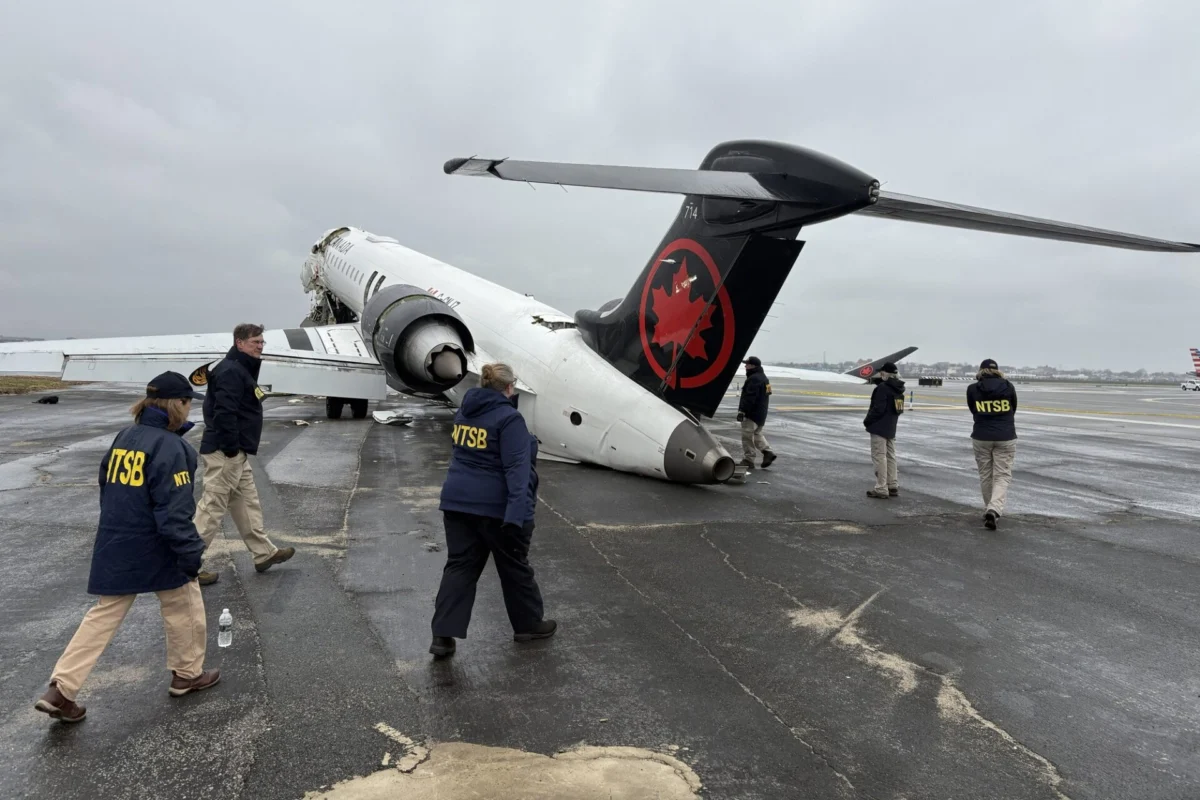
A Federal Aviation Administration (FAA) program to equip all its airport vehicles with transponders has been accelerated in the wake of the Air Canada Express crash at New York’s LaGuardia Airport (LGA) earlier this year.
On May 15, 2026, the FAA announced that it was investing $16.5 million in transponder technology to help air traffic controllers identify and track its vehicles on runways and taxiways.
On March 22, 2026, a fire truck was struck by an Air Canada Express aircraft traveling at 104mph after the jet landed on LaGuardia’s runway 4. The two pilots lost their lives during the incident.
A preliminary report from the National Transportation Safety Board (NTSB) highlighted that airport safety detection systems had struggled to identify a group of emergency vehicles that were responding to an incident at LaGuardia Airport prior to the crash.
None of the vehicles had transponders and airport safety detection systems “did not predict a potential conflict” between the firetruck and the landing Air Canada Express plane on the runway.

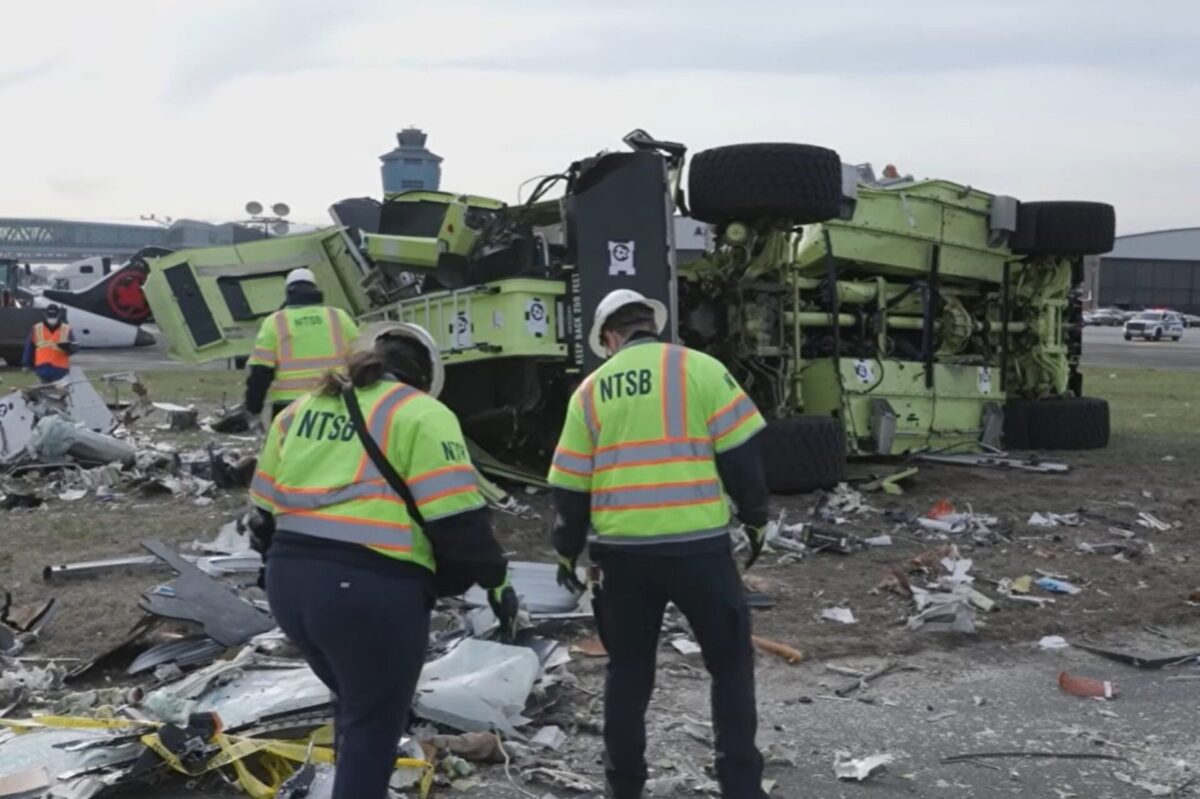
According to the FAA, while plans to introduce transponders on its airport vehicles had been ongoing for months, the LaGuardia Airport had hastened its efforts.
US President Donald Trump’s One Big Beautiful Bill is funding the transponder rollout, and the FAA hopes that airports and airlines will follow suit with their own plans for introducing them.
“Vehicle Movement Area Transmitters (VMATs) help prevent dangerous runway incidents and by accelerating the deployment of this technology, we’re closing critical visibility gaps on our nation’s runways and taxiways,” said FAA Administrator Bryan Bedford. “This initiative is yet another example of our commitment to proactive safety improvements and strong collaboration across the aviation community.”
Transponder rollout beings immediately
Starting immediately, the FAA is to equip approximately 1,900 of its vehicles at 44 airports that have ASDE-X and ASSC systems, and at 220 airports that have, or will soon have, Surface Awareness Initiative (SAI) surveillance systems.
“VMATs track vehicles at airports that have surface surveillance systems,” the FAA said. “They appear on controllers’ screens with their identities and call signs. Vehicles without VMATs appear only as blue diamonds on controllers’ screens with no identifying information.”
This week, the FAA has also reminded airports that they can use federal grant money to install transponders on their vehicles.
The aviation authority claims that around 50 airports have already expressed interest in equipping their airport vehicles with transponders.