
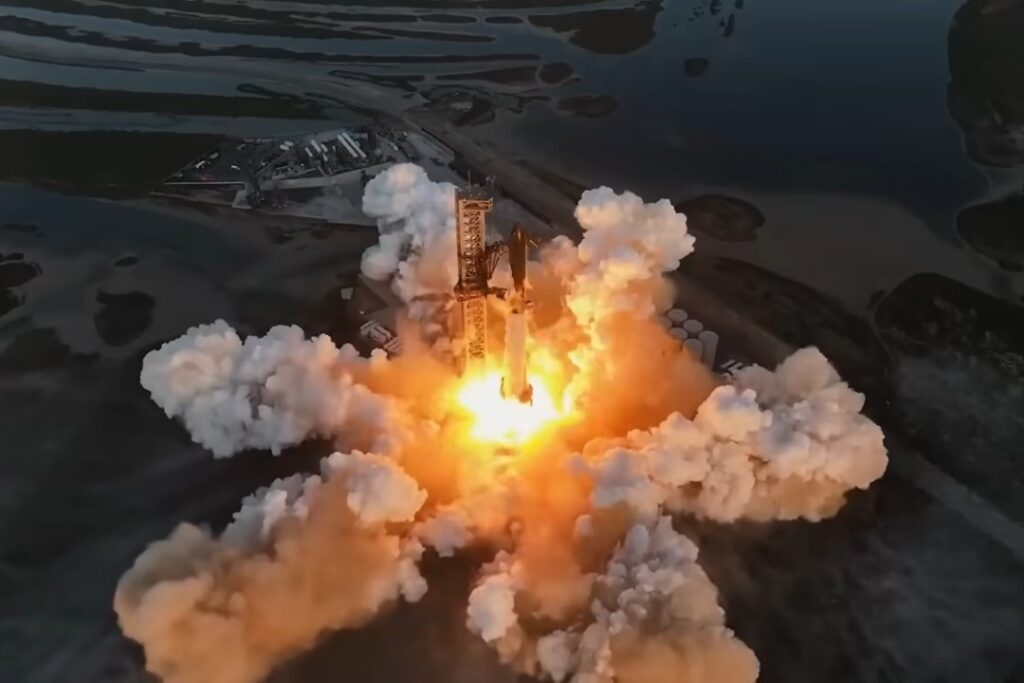
A new proposal would allow the US Federal Aviation Administration (FAA) to waive requirements under 13 federal environmental and natural-resource laws when reviewing certain commercial space licenses and permits.
The proposal would apply to licenses for space launch and reentry vehicles, launch and reentry sites and experimental flight permits.
According to the FAA, the change could shorten approval times by eliminating environmental reviews that it considers unnecessary or duplicative.
The proposed rule would allow waivers only when the Transportation Secretary, after consulting the appropriate federal agency, determines that a legal requirement is not needed to protect public health and safety, property, national security or US foreign policy interests.
The laws covered by the proposal include the National Environmental Policy Act, the Endangered Species Act, the Clean Water Act, the Clean Air Act, the National Historic Preservation Act and the Marine Mammal Protection Act.
The list also includes the Coastal Zone Management Act, National Marine Sanctuaries Act, Noise Control Act, Wild and Scenic Rivers Act, Rivers and Harbors Act, Magnuson-Stevens Fishery Conservation and Management Act, and part of the Department of Transportation Act.
The FAA published the proposal in the Federal Register on July 30, 2026. The public comment period runs through August 31.
Commercial launch and reentry licenses currently trigger environmental reviews under NEPA and other federal laws. Applicants may need to provide information for an environmental assessment or accept financial responsibility for an environmental impact statement if the FAA determines that a simpler review does not apply.
The FAA noted that the process can involve several laws and federal agencies, leading to overlapping reviews and delays.
“Commercial space activity is surging, and we must do everything safely possible to support this vital sector,” FAA Administrator Bryan Bedford said. “The bottom line is clear: we will not keep pace with this rapid growth unless we streamline, modernize, and strengthen our regulatory approach.”
The FAA authorized a record 204 commercial space operations during fiscal year 2025. Its latest forecast calls for 214 operations in 2026 and as many as 507 annually by 2036.
The agency expects an estimated 4,288 commercial space operations during the next decade.
The proposal follows an August 2025 executive order directing federal agencies to speed approvals for commercial launches, spacecraft reentries and spaceport projects.
The FAA cited authority under the Commercial Space Launch Act that allows the Transportation Secretary to waive a federal legal requirement for a license or permit under certain conditions.
The proposed waivers would not necessarily eliminate every environmental review connected with a launch. Commercial operators using federal property, including NASA or US military launch sites, may still require approvals or agreements from the agency that controls the land. That agency could remain responsible for conducting its own environmental review.
The FAA acknowledged that, in some cases, waiving its review could shift responsibility to another federal agency rather than eliminate the review entirely.
The proposed rule would apply to licenses and permits issued or modified after a final rule takes effect. The FAA will review public comments before deciding whether or not to adopt the change.