
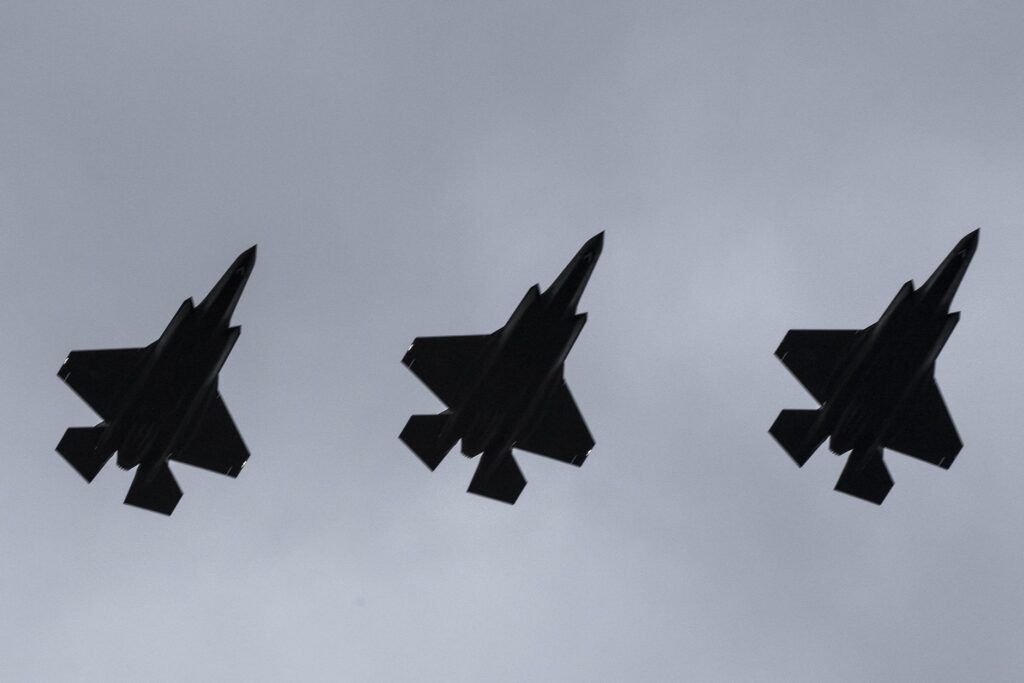
Berlin denies plans for additional F-35s
Germany has sought to play down reports that it is preparing an expanded purchase of F-35A Lightning II fighter jets, with a government spokesperson saying Berlin currently has no plans for additional aircraft, after Reuters reported internal discussions amid deepening tensions with France over the Future Combat Air System (FCAS).
“There are no plans, and there is no decision,” the spokesperson said on February 19, according to a subsequent Reuters update, adding that speculation about further acquisitions was unfounded at this stage.
The potential acquisition, reported by Reuters sources, comes as the Franco-German-Spanish Future Combat Air System (FCAS) remains mired in disputes over the core sixth-generation fighter. A second tranche would further bolster near-term capacity and hedge against additional FCAS slippage or a failure to unlock the next phase.
In October 2025, the German magazine Spiegel already reported, citing parliamentary sources, that a confidential submission had been presented to the Bundestag’s budget committee outlining an “additional procurement” of 15 F-35As.
NATO nuclear sharing drives Berlin’s F-35 choice

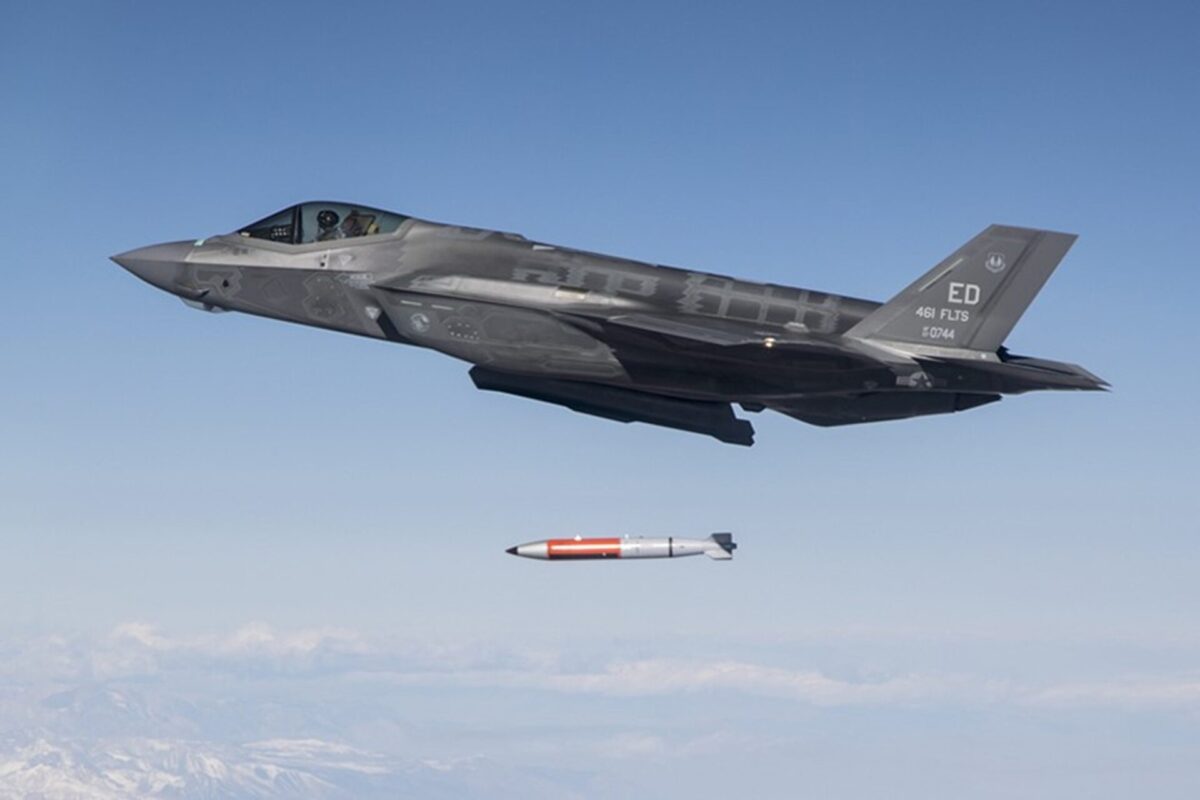
Germany ordered 35 F-35As in 2022, with deliveries due to begin in 2026, to replace the Luftwaffe’s Tornado fleet in NATO’s nuclear-sharing mission, fulfilling the role of delivering US B61 nuclear gravity bombs stored in Germany in wartime. Participation in the arrangement requires aircraft certified to carry the weapon, and most European countries involved in NATO nuclear sharing are converging on the F-35A as their dual-capable platform, with Turkey as the outlier.
Before selecting the F-35A, Berlin examined certifying the Eurofighter Typhoon, but US officials warned the process could take up to five years, a poor fit with plans to retire German Tornados by the end of the 2020s. Germany also weighed Boeing’s F/A-18F Super Hornet, but the option faded as it was no longer treated as a near-term certification path. Berlin ultimately opted for the F-35A despite French concerns that the decision could weaken the rationale for FCAS.
Merz sets a deadline, but doubts remain
German Chancellor Friedrich Merz said on February 19, 2026, that he and French President Emmanuel Macron had agreed to take a decision on FCAS by the end of 2026.
“This will not be discussed at the upcoming government consultations,” Merz told reporters in Berlin, referring to talks scheduled in southern France. “I hope we will find a solution because we need to develop a new fighter jet in Europe.”
The comments follow Merz’s recent public questioning of whether Germany still needs to invest in a crewed sixth-generation fighter given the pace of technological change and the projected cost of FCAS, estimated at more than €100 billion over its lifetime. He has also pointed to diverging national requirements, notably France’s need for a nuclear-capable, carrier-operable aircraft, requirements that Germany does not share.
Despite the mounting doubts in Berlin, Paris continues to publicly defend the program. French officials have described the differences as limited and insist there is strong political resolve on both sides to make FCAS work.
Airbus signals readiness for a split outcome

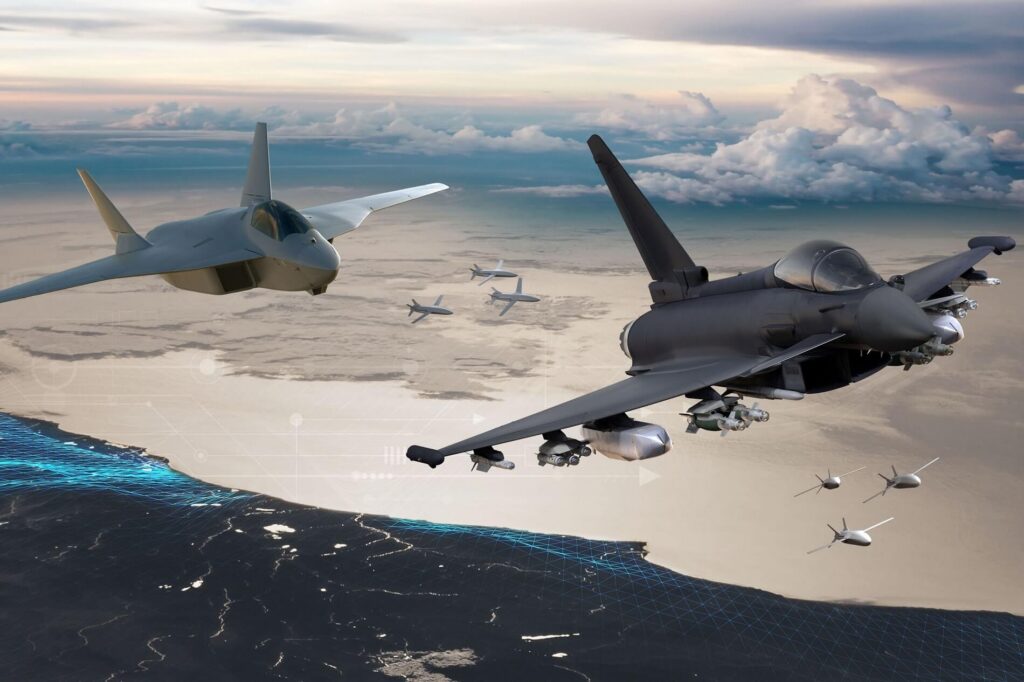
During Airbus’ full-year results presentation on February 19, 2026, Faury said the company would back a two-fighter solution if governments request it, arguing that deadlock on one pillar should not paralyze broader European capability development.
The FCAS has been in a deadlock for months over a long-running leadership dispute between Airbus, representing German and Spanish industrial interests, and Dassault Aviation, which leads the fighter pillar for France. Dassault has repeatedly argued that clearer leadership is required as FCAS moves toward developing airworthy demonstrators, the next major phase, which is targeted for completion before the end of the decade.
In November 2025, France and Germany were reported to be weighing a scaled-back FCAS approach that would preserve cooperation on the program’s combat cloud, the digital architecture linking crewed aircraft, drones, sensors, and ground assets, while potentially shifting the crewed fighter element toward national projects or other multinational tracks.
The idea was supported by comments from Germany’s newly appointed Air Force chief, Lieutenant General Holger Neumann, who told Der Spiegel that Berlin’s long-term priority is a highly networked force built around the combat cloud and unmanned systems.