
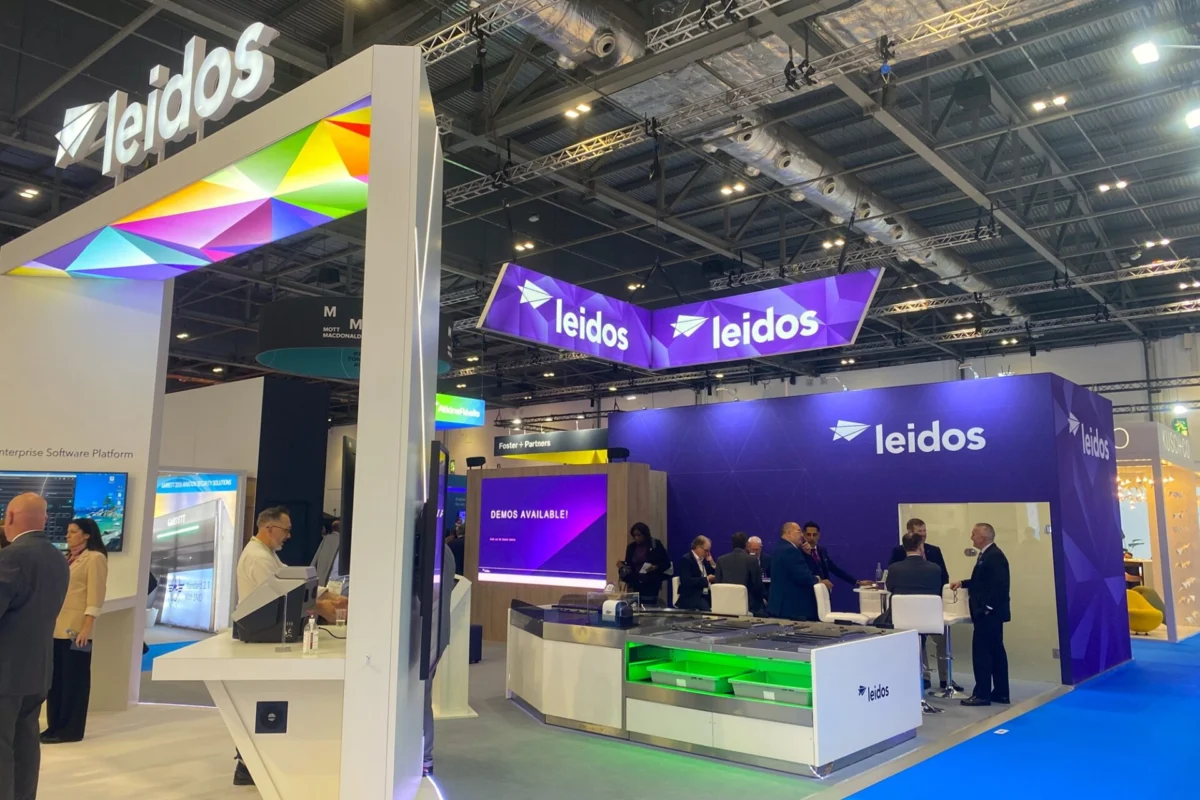
US technology giant Leidos was one of the big hitters at this year’s PTE World which gathered stakeholders from the airport sector at the ExCel in London.
Spanning a dizzying array of complex specialties including defense, intelligence, health, energy & infrastructure, Leidos was in the UK capital to showcase its airport solutions and talk through its latest innovations.
At Leidos’ impressive exhibition stand, AeroTime was given the opportunity to speak with Nik Karnik, the company’s Vice President of Global Security Products Division, who had traveled over from the US to attend the event.
Karnik previously spent over 10 years with Smiths Detection, a global leader in threat detection and screening technologies, before joining Leidos in 2021.
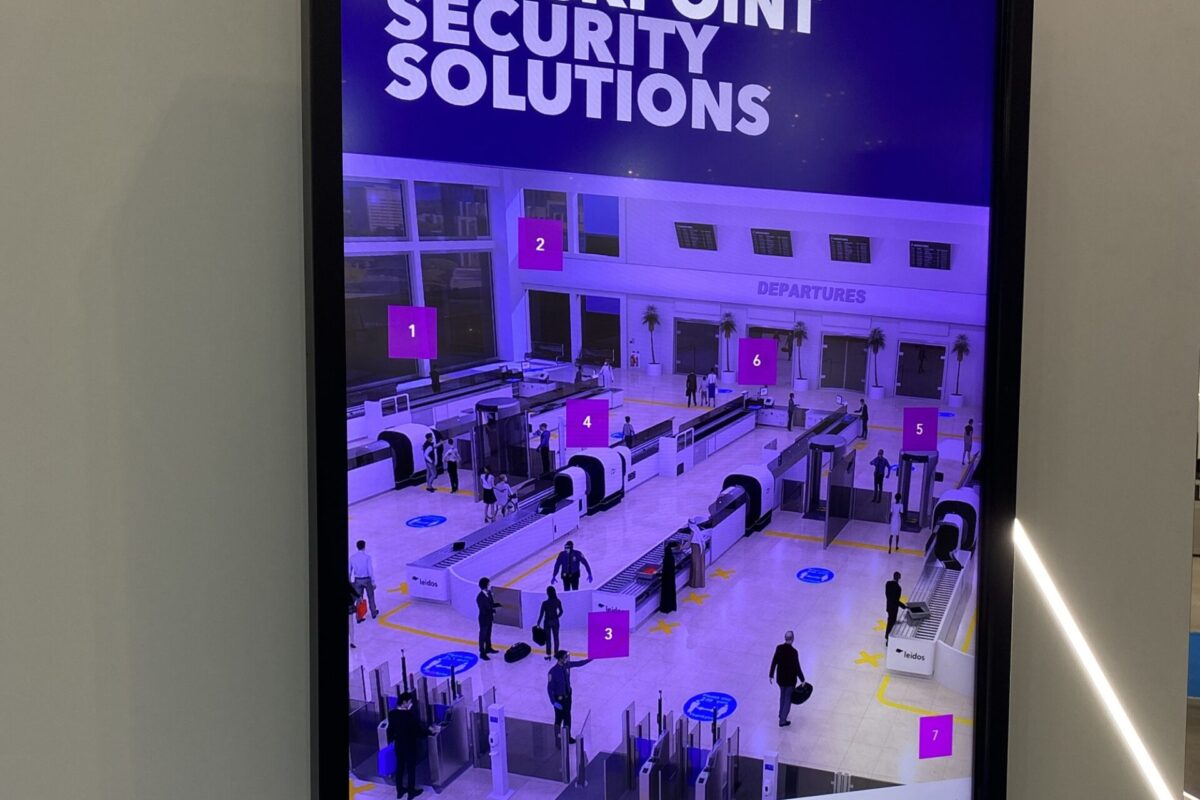
Leidos’ airport expertise spans air traffic management, security detection including checkpoints, screening equipment and software platforms, and flight management.
Airport security landscape
Discussing the importance of airport security within aviation, Karnik said that it is “fundamental” with the ultimate goal of striking a balance between passenger experience and keeping people safe.
“The aviation market has just evolved over time. If you think about what it was like in the 1950s to where we are today, the security landscape has changed only because the landscape of the world has changed and the expansion of how aviation is used for commerce and used for people,” explained Karnik. “It’s intertwined in our daily lives so therefore, in our head, and I think most of the world, is that security is essential in what all aviation has to do, whether it’s for passengers or cargo.”

On the current security technology deployed at airports, Karnik said that recent developments have been a “true evolution”.
“It’s really changed both on what you need to do from a base minimum and how customers and passengers are perceiving that security as well. Is it tight, is it loose, is it overbearing? Or is it just what we do? And it definitely helps and people evolve just as much as the technology does,” he added.
Leidos ProSight – open architecture software platform
Karnik highlighted Leidos’ ability to provide multiple discipline solutions to airport customers and bring all the “pieces and technologies together”.
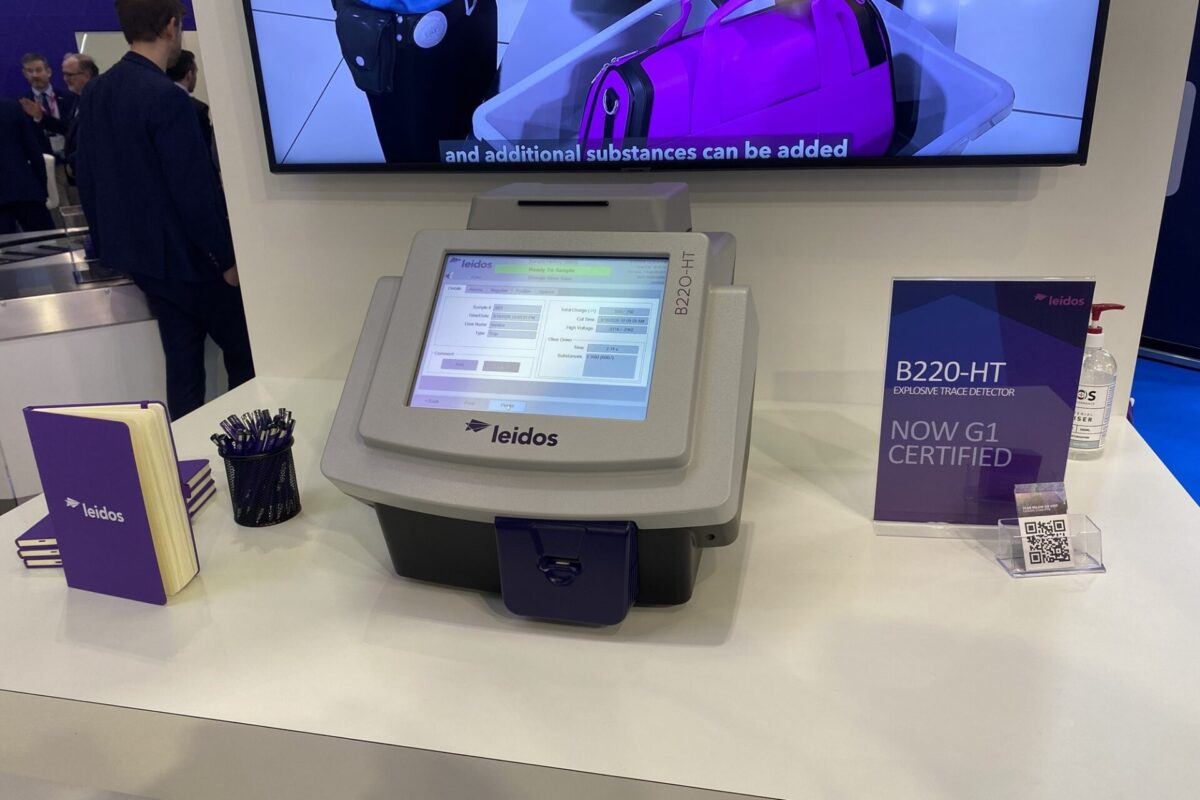
With a quick browse at the Leidos website you can see just how extensive the company’s product range is with technologies and equipment designed to scan both hand and checked baggage, trace hidden explosives, check passengers and authenticate credentials.
According to Leidos, the company has more than 30,000 security detection products which are deployed across 129 countries. The Leidos people scanners alone are used by more than 250 airports with many hundreds more non-aviation establishments relying on the same technology.
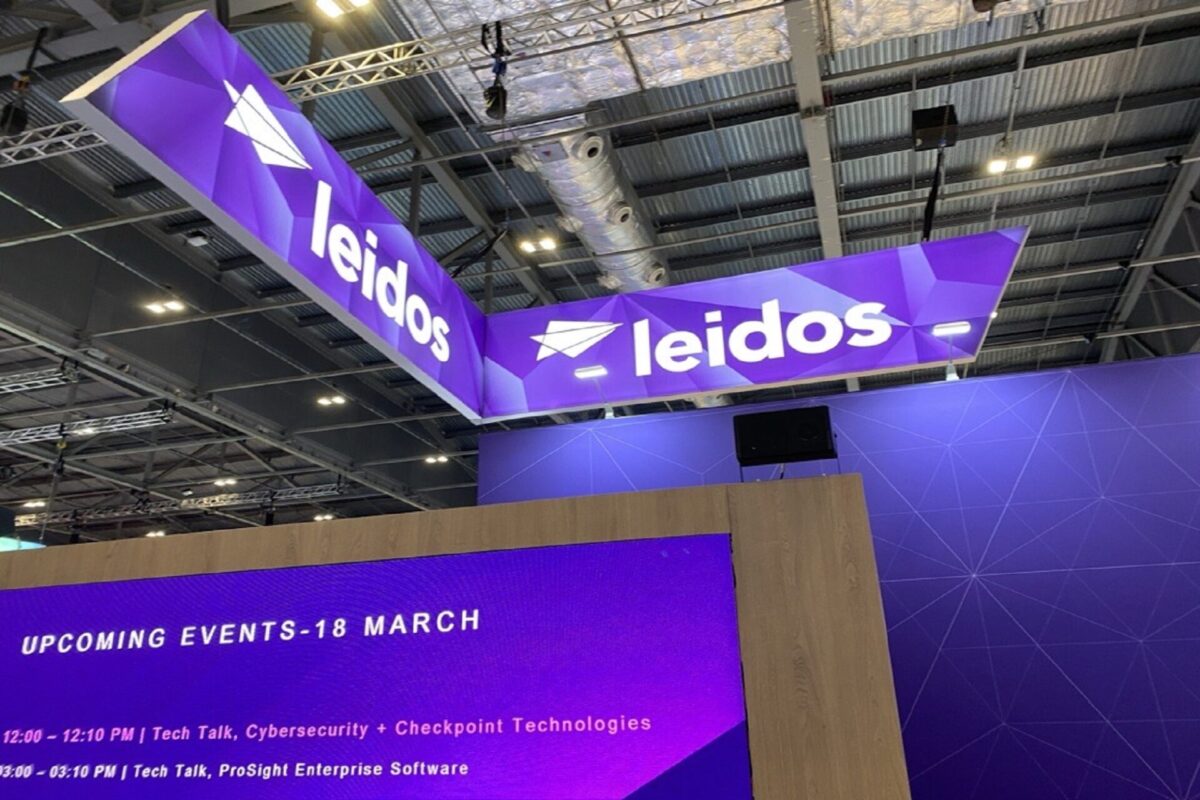
Binding all the technology together are Leidos’ enterprise solutions including ProSight, an open architecture, software platform that integrates security screening equipment, threat detection algorithms and other third-party data.
“If you looked at just checkpoints, hold baggage, people screening, secondary screening. In and of itself it is a must have. But putting all that information together and allowing our customers to have more data and analysis than they could ever, ever use, to me, is essential,” said Karnik.
Karnik is “very proud” of the ProSight product line that is built off legacy Leidos’ infrastructure that is supporting US government agencies and UK’s Home Office.
“We are supporting a number of different customer bases with the same platform, but then we build application layers on top of that,” he added.
One way ProSight can be effectively utilized is with lane analysis, allowing airports to understand how customers are using them throughout the day, where the volume is coming from, and how it is being influenced by particular flights.
“It’s all about what you can do with ProSight and allow all the third parties to work together. It doesn’t have to be Leidos owned equipment. It could be any other OEM or third parties adding on to that and providing data in game,” explained Karnik.
Collaboration and advancement of AI
Asked further about collaboration with external partners and the importance to Leidos’ work, Karnik said, “it’s not even a strategic initiative, it’s an imperative”.
In 2025, Leidos signed a partnership with Quadridox, an XRDI imaging and detection firm, to make baggage screening more accurate and efficient.
The new agreement combines Leidos’ Examiner 3DX CT with Quadridox’s DELPHI XRDI technology with the aim to “gain deeper insights into potential threats and be better positioned to keep pace with evolving regulatory requirements”.
“We’re always looking to bring the smartest people into the room. Who else can we bring to the table to provide value to the end customers? So, we’ve been putting a very high priority on third party integration and bringing their capabilities to our customers,” said Karnik.
Artificial Intelligence (AI) is helping to reshape the aviation sector, but Leidos has been working on AI or machine learning and data modelling for decades.
“It is part ingrained into our product lines because that is what helps do true detection technology. It’s not just knowing what it is today, but also, how do we evolve those algorithms to find the next threat. That’s always been the goal,” explained Karnik.
However, even Leidos has seen in the last few years the transformational effect that AI is having because it can be utilized in multiple ways.
“How do you write code, how do you do development, how do you look at analysis? You can take it in different places than what we’ve done traditionally and then add on. So, where that’s going to take us next is going to be what the imagination of people prompts into those models and how do we get the best out of it,” he added.
Passenger experience
Leidos strives to ensure passengers “feel secure without feeling security” as they move through the airport, an experience Karnik himself shares and understands.
“We’re all travelers. All of us use what Leidos put into airports. We don’t go around it, we live that. Building this market isn’t just a business, to us it’s a mission,” he explained. “We are here for one purpose, and that is the safety of the travelling public. Everything else is also, how do you make it easier and simpler and more beneficial.”
Working across 129 countries, Karnik said that there is no such thing as a “cookie cutter airport” with passengers from different nations having different expectations.
According to Karnik, everybody works towards similar detection standards, but there’s no global community saying this is the bare minimum that needs to be done.
He said it’s “very difficult to homogenize” where there may be different cultural needs and operating requirements.
“There are plenty of regional differences that you’ll see from airport to airport. Even within the same country you may have differences in how they run. In some countries it’s run by a commercial entity, and their standards are either set by the industry as a whole or the government of that country. Then there are differences in the environment such is it a vacation area or is it more business,” he added.
Introducing Pro:Vision 3 – newest body scanner
The Pro:Vision 3 is the latest people screening system in Leidos’ portfolio and has not only been able to be deployed at airports but also government buildings, nuclear power plants and correctional institutions.
The Pro:Vision 3 builds off the legacy of the Pro:Vision 1 and Pro:Vision 2 and is described by Leidos as the “leading body scanner in the world when it comes to aviation.”
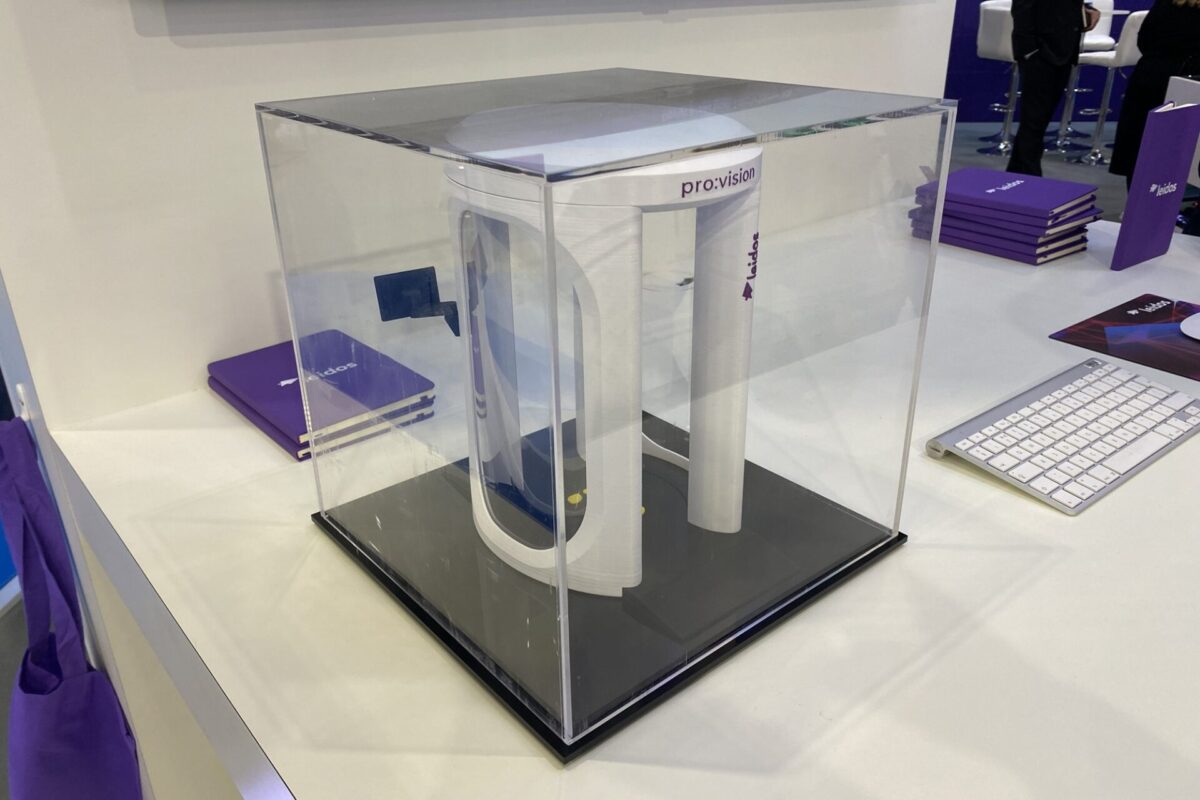
“The Pro:Vision 3 is built off the wide band detection capability. We are taking millimeter waves and expanding that capability. So that allows for higher definition imaging but also looking at how do we lower the false alarms that happen within that system and bring additional capability to the market,” explained Karnik.
Leidos can tailor Pro:Vision 3 algorithms and capabilities to a particular market, whether that’s airports or for other industries.
The company says: “With a new wideband antenna design, improved radio frequency boards and deep learning AI-based algorithms, the Pro:Vision 3 reduces processing time to achieve throughput rates above 400 people per hour.”
Future detection innovation
When asked if in a decade people will move through airports without entering a visible security checkpoint, Karnik said it would depend on how different technologies increase and how checkpoints evolve operationally.
“It may not just be the different types of equipment that you’re looking at a checkpoint and how do you utilize that, but also are passengers going to be doing the same thing 10 years from now than they are today,” he said. “Probably they are. They’re all going to be going on vacation or on a business trip, but how do they pack? What do they bring to the airport? What threats are going to be coming at us that are different than what we’re seeing today? So, is it possible? Is it going to be in the next decade? I don’t know.”