
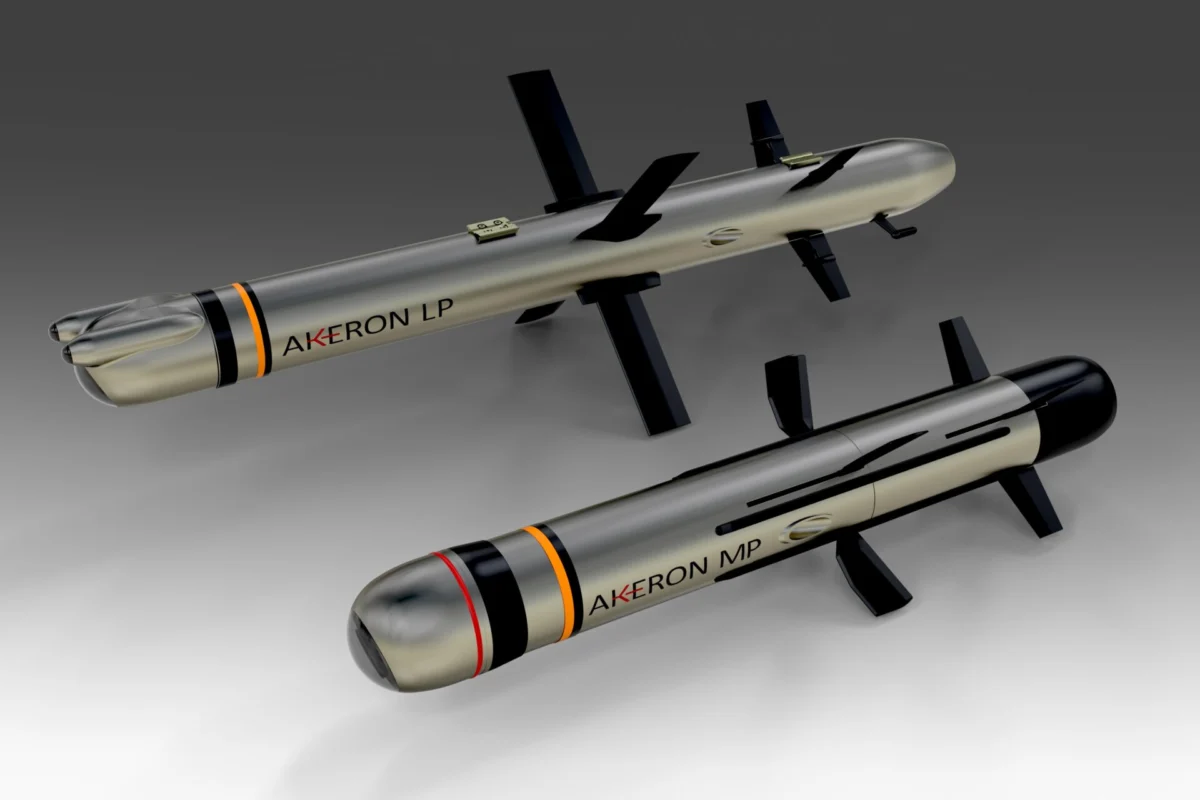
MBDA has claimed that three Akeron anti-tank missiles, seized from a French-registered van at the port of Bari in June 2026, were inert test units rather than live rounds.
The seizure took place in early June 2026. The driver, 46-year-old Regis Claude Albert Normand, has reportedly been held in pre-trial detention since June 9, 2026.
However, the case did not become public until August 25, 2026, more than two and a half months later, when Italian media reported details from a detention order issued by Bari judge Valeria Isabella Valenzi.
The Guardia di Finanza, Italy’s financial and customs police, stopped the van after it disembarked from the ferry Superfast II, which had arrived from Patras, Greece. Officers found launch tubes and five containers of a type used to move anti-tank weapon systems.
One container was empty, whereas a second held an inert training missile with no guidance system, propulsion or warhead, according to the order. The remaining three each held an Akeron missile, an anti-tank weapon built by MBDA France.
MBDA challenges weapons-of-war classification
Italian army specialists examined the three missiles and then, on the evidence gathered to that point, classified them as weapons of war.
The containers carried blue bands, which under NATO conventions denote training stores without explosive components. Investigators concluded the bands were not original markings but adhesive tape that could be peeled off, exposing the yellow and black coloring used for high-explosive anti-armor rounds.
MBDA France gave its own account on August 27, 2026. A spokesperson told France Télévisions that the seized items were inert test models, while acknowledging that not all of them carried the marking that signals the absence of a warhead. The company added that the hauler was cleared to move such material and had worked with MBDA before.
Transport paperwork under investigation
Normand produced three international consignment notes at the port. His defense later submitted commercial paperwork and a 2025 French government authorization granted to MBDA France for activities involving war material.
The judge ruled that further investigation was needed, citing mismatched stamps and dates, going on to note that the permits Italian law requires for moving military equipment were produced neither at the port nor before the court.
Normand told investigators the missiles had been repaired in Crete and that he was returning them to MBDA France.
MBDA conducted inert Akeron trials in Crete days earlier

The route and timing coincide with an MBDA test campaign involving inert Akeron missiles in Crete.
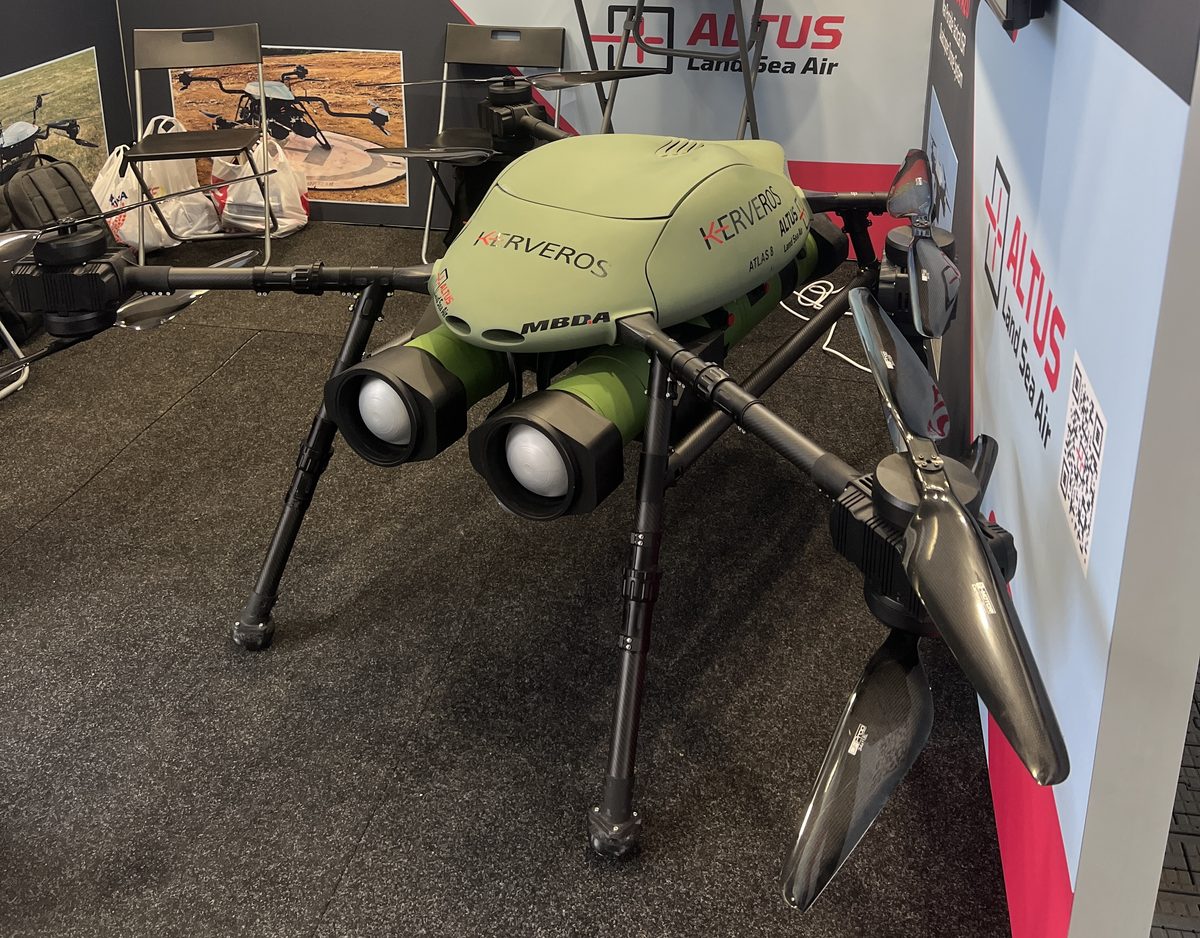
MBDA and Greek drone manufacturer Altus LSA signed a memorandum of understanding on February 6, 2024, under MBDA’s R&D Booster initiative. The agreement covers the integration of the Akeron MP missile with the Atlas 8 Heavy Lifter platform.
On June 2, 2026, MBDA and Altus LSA conducted the first ejection trials under the Kerveros program at the NATO Missile Firing Installation in Crete.
According to an Altus LSA statement, the campaign used inert Akeron MP missiles, including units described as “up to Stage 1 ammunition,” launched from the Atlas 8 heavy-lift uncrewed aircraft.
Those trials took place only days before Normand’s detention. The chronology is consistent with MBDA’s explanation that the cargo comprised test material returning from Greece, although neither MBDA nor Altus LSA has publicly confirmed that the missiles seized in Bari were the units used during the tests on June 2, 2026.