
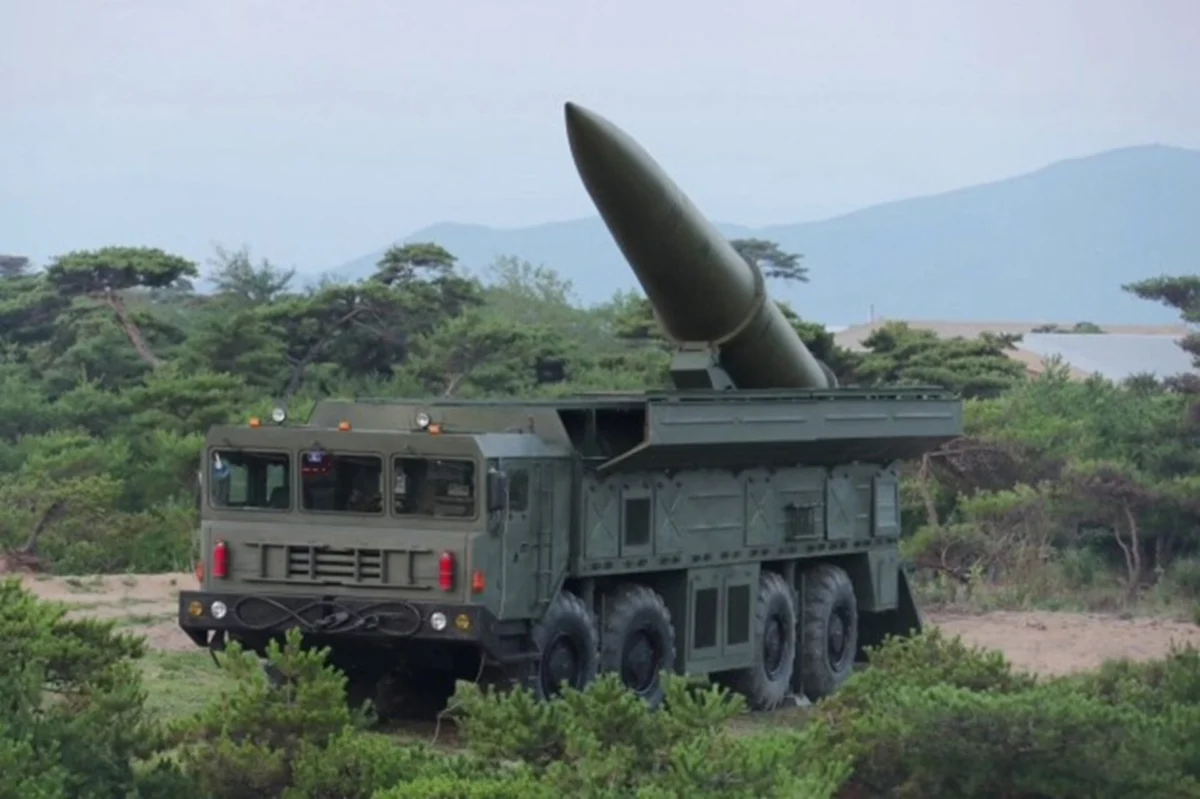
A North Korean missile unit has begun deploying to western Russia and could eventually operate 120 ballistic missiles and six launchers for strikes against Ukraine, an official at Ukraine’s Main Directorate of Intelligence told Reuters in comments published on August 5, 2026.
Andrii Cherniak, a spokesman for the agency, said Russia planned to base around 90 North Korean personnel in the Voronezh region, roughly 150 kilometers from the Ukrainian border, within the Russian 112th Missile Brigade.
Pyongyang has delivered a fresh batch of 40 KN-23 and KN-24 short-range ballistic missiles along with crews to operate them, Cherniak said, with the configuration of the deployment and the final missile total to be settled at senior-level talks between Moscow and Pyongyang scheduled for September 2026.
North Korean missiles return to the battlefield

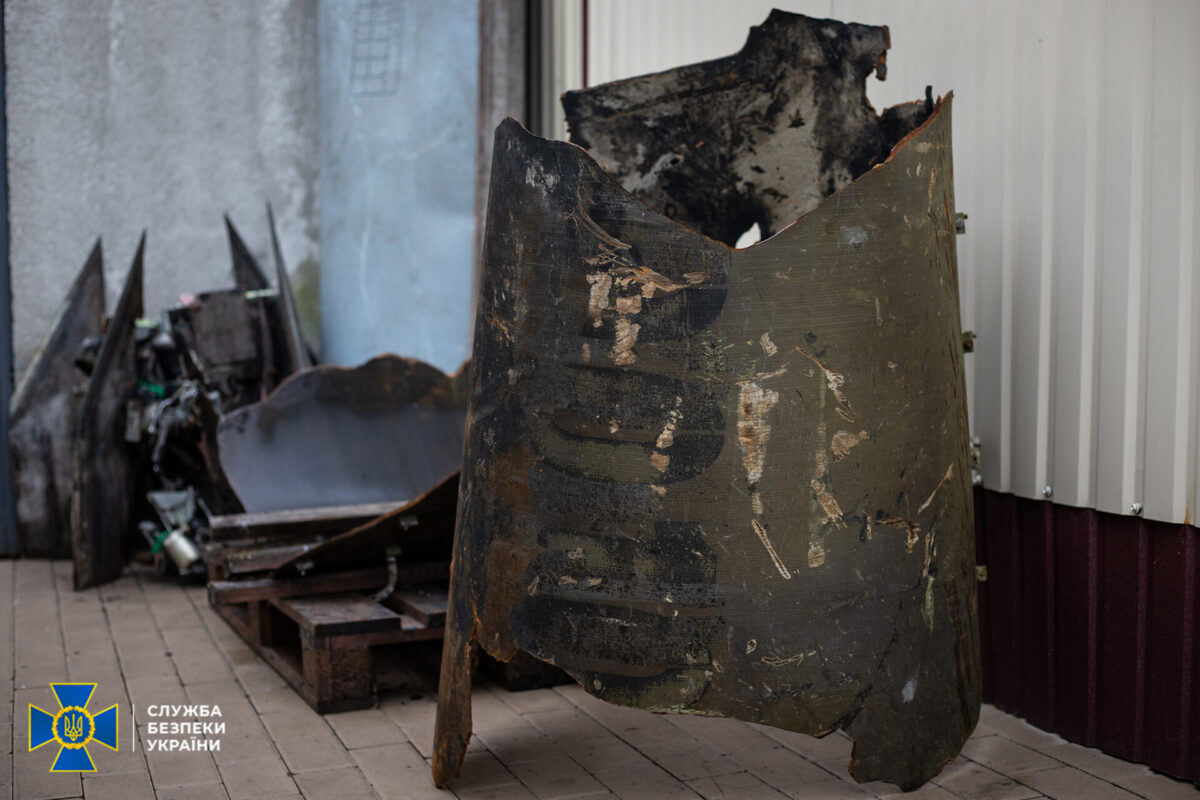
The deployment described by Cherniak follows the first reported use of North Korean missiles against Ukraine since August 2025.
Vladyslav Vlasiuk, the Ukrainian president’s Commissioner for Sanctions Policy, said on July 31, 2026, that two KN-23s had been fired during the overnight attack of July 30, 2026, one of which destroyed a private home in the village of Radushne near Kryvyi Rih, killing six people including three children. The second impact crater was found 3.5 kilometers away in an open field with no apparent target nearby.
During the same attack, Poland scrambled an F-16 fighter jet after radar detected an unidentified object crossing into its airspace. A crater, believed to have been caused by a Kh-101 cruise missile, was later discovered in a field located 80 kilometers from the Ukrainian border.
Cherniak said North Korea supplied 150 KN-23 and KN-24 missiles between late 2023 and August 2025, putting the number of North Korean troops in Russia’s Kursk region at about 9,500, adding that they were not currently taking part in operations against Ukraine.
A persistent gap in Ukraine’s air defenses
Ballistic missiles remain among the hardest targets for Ukrainian air defenses, which depend on a limited stock of US-made MIM-104 Patriot batteries and PAC-3 interceptors to engage them.
The Ukrainian Air Force said on August 5, 2026, that it had failed to intercept any of the ballistic or hypersonic missiles launched during Russia’s major overnight attack on the Kyiv region, during which 24 Iskander-M ballistic missiles and S-400 surface-to-air missiles modified for ground attack, as well as four Zircon hypersonic missiles, were fired.
Kyiv’s interception rate against ballistic threats fell sharply through 2025 as Russia introduced evasive terminal maneuvers on its Iskander-M and Kh-47M2 Kinzhal missiles. Ukraine has since pressed Washington for licenses to build Patriot interceptors domestically, with PAC-3 Missile Segment Enhancement stocks under strain from competing demands, especially in the Gulf region.
From defending Kursk to striking Ukraine
Pyongyang sent an estimated 14,000 troops to Russia from late 2024 to fight alongside Russian forces against Ukraine’s cross-border incursion into the Kursk region. Neither government acknowledged the deployment until April 2025, once Russia declared it had retaken the last Ukrainian-held ground there.
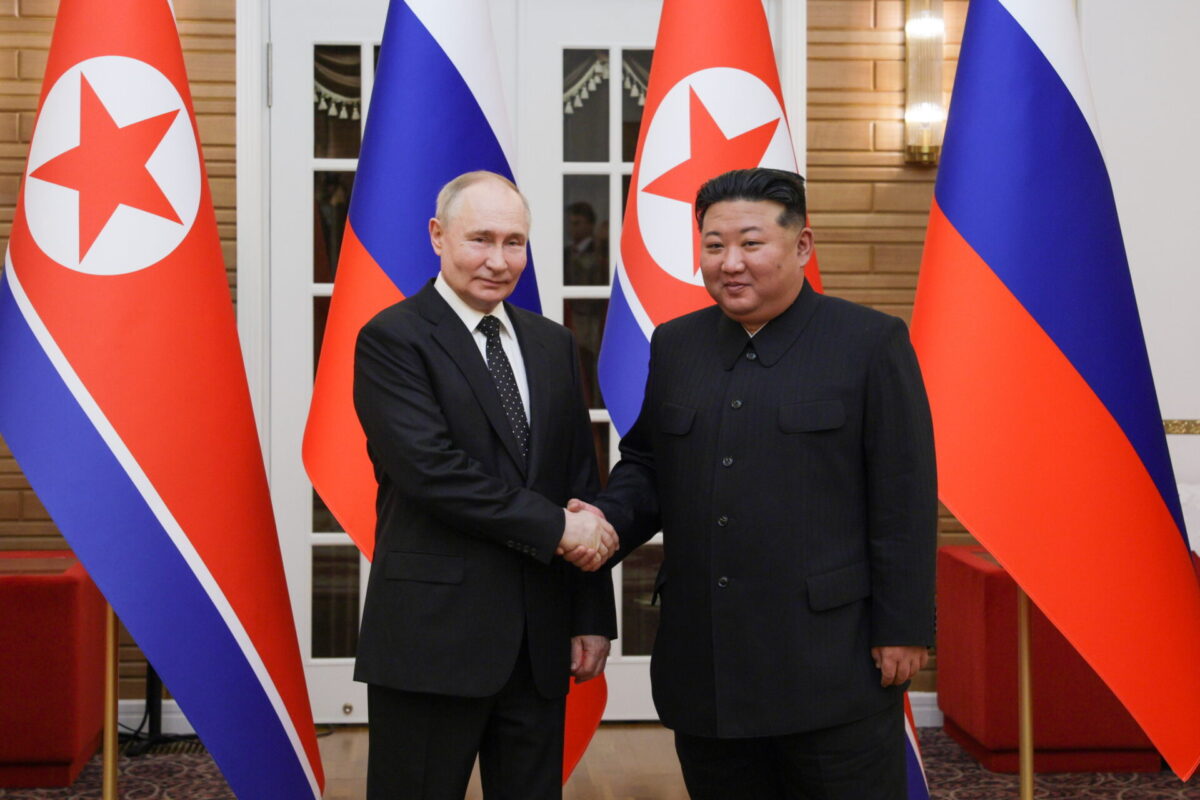
Both governments presented the deployment as a treaty obligation. The Treaty on Comprehensive Strategic Partnership, signed by Vladimir Putin and Kim Jong Un in Pyongyang on June 19, 2024, commits each side to provide military and other assistance without delay if the other is subjected to an armed invasion. North Korean crews supporting ballistic missile strikes into Ukraine would be harder to frame that way.