
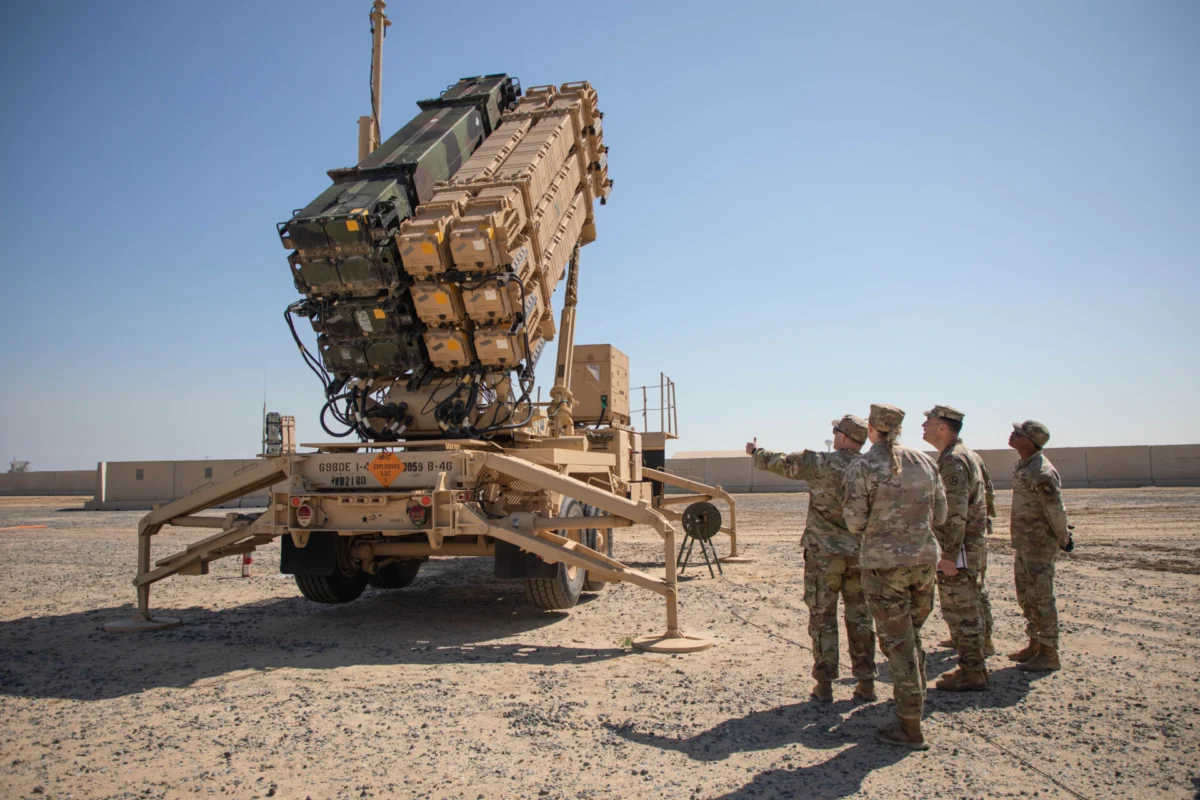
The Pentagon is considering whether to redirect air defense interceptor missiles originally earmarked for Ukraine to the Middle East, where Operation Epic Fury has consumed critical munitions at a pace that is straining US stockpiles, the Washington Post reported on March 26, 2026, citing three people familiar with the matter.
The weapons under review include interceptors procured through NATO’s Prioritized Ukraine Requirements List (PURL), the initiative launched in July 2025 under which European nations pool funds to purchase US-made arms for Kyiv. The diversion could amount to roughly $750 million worth of ally-funded missiles redirected to replenish US inventory.
A final decision has not been made. A Pentagon spokesperson told the Washington Post that the Department of War would ensure US forces and those of allies and partners “have what they need to fight and win.”
One person familiar with the Pentagon’s internal calculations told the Washington Post that PURL deliveries would likely continue but that future shipments “may not contain air defense capabilities” as the US replenishes its own and its Gulf allies’ stockpiles.
PURL under pressure

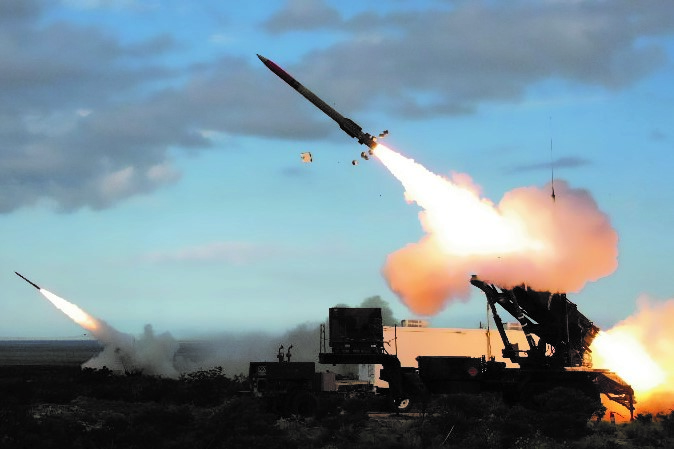
PURL has become Ukraine’s lifeline for high-end US interceptor missiles that European industry cannot replace. According to NATO officials, the program has supplied roughly 75% of the missiles used by Ukrainian Patriot batteries and nearly all ammunition for other air defense systems since it became operational in late 2025. Allied nations have committed approximately $4 billion to date, with Germany, Norway, and the Netherlands among the largest contributors.
But the Iran campaign is drawing down the same inventory. The US military has already redirected air defense missiles from Europe and the Indo-Pacific to Central Command, reinforcing defenses against Iranian ballistic missiles and drones. European diplomats told the Washington Post they are concerned that Washington’s ammunition expenditure could delay their own orders and disrupt PURL deliveries to Ukraine.
Production gap
At the center of the bottleneck are PAC-3 Missile Segment Enhancement (MSE) interceptors, the Patriot system’s primary round for defeating ballistic missiles and the most sought-after munition on both fronts.
Lockheed Martin delivered approximately 620 PAC-3 MSEs in 2025, a 20% increase over the prior year but far short of combined global demand. In January 2026, the Pentagon and Lockheed Martin signed a framework agreement to more than triple annual production to 2,000 interceptors, though the ramp-up will unfold over seven years and depends on congressional appropriations not yet secured.
The potential redirect would not be the first diversion. In June 2025, Defense Secretary Pete Hegseth confirmed that proximity fuzes for APKWS guided rockets, used by Ukraine against Russian Shahed drones, had been redirected to Air Force Central Command.
Ukrainian President Volodymyr Zelensky said at the time that 20,000 anti-Shahed missiles pledged under a Biden-era agreement were being sent to the Middle East instead. Ukraine’s Ambassador to the US, Oksana Markarova, said Kyiv understands the “period of significant uncertainty” but continues to press partners on air defense needs.