
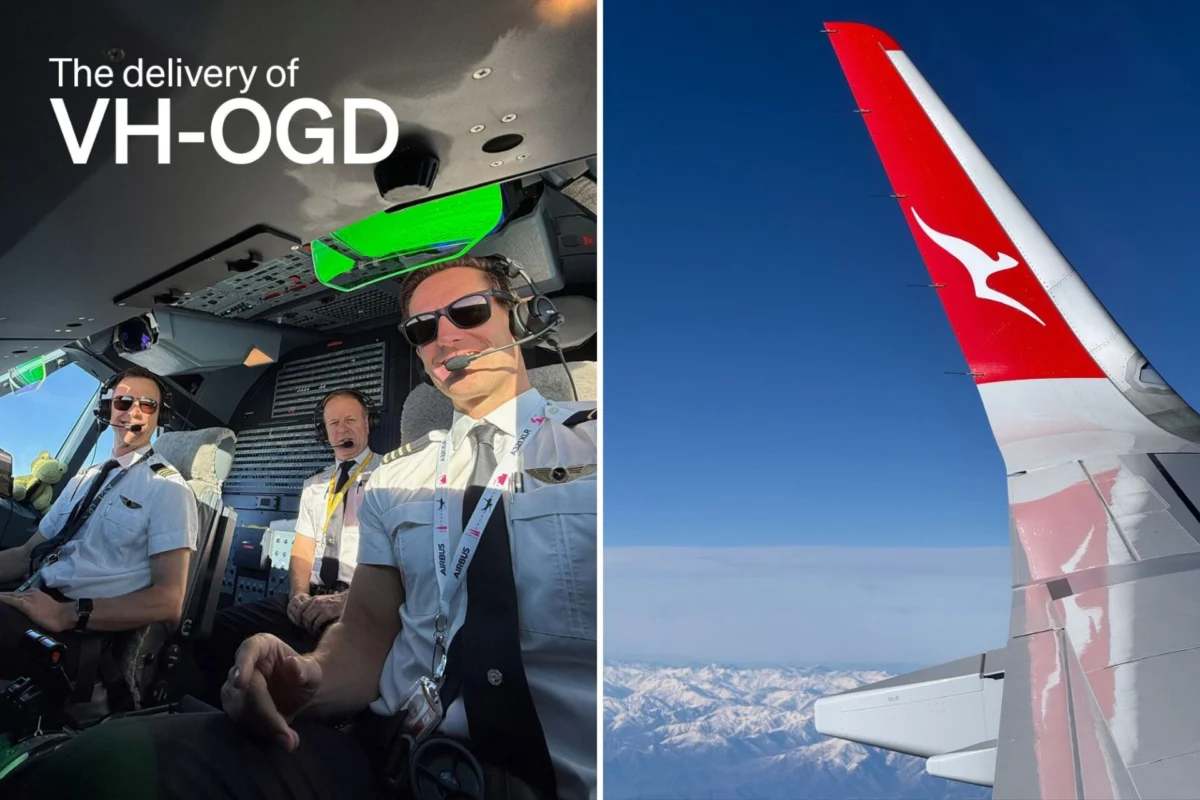
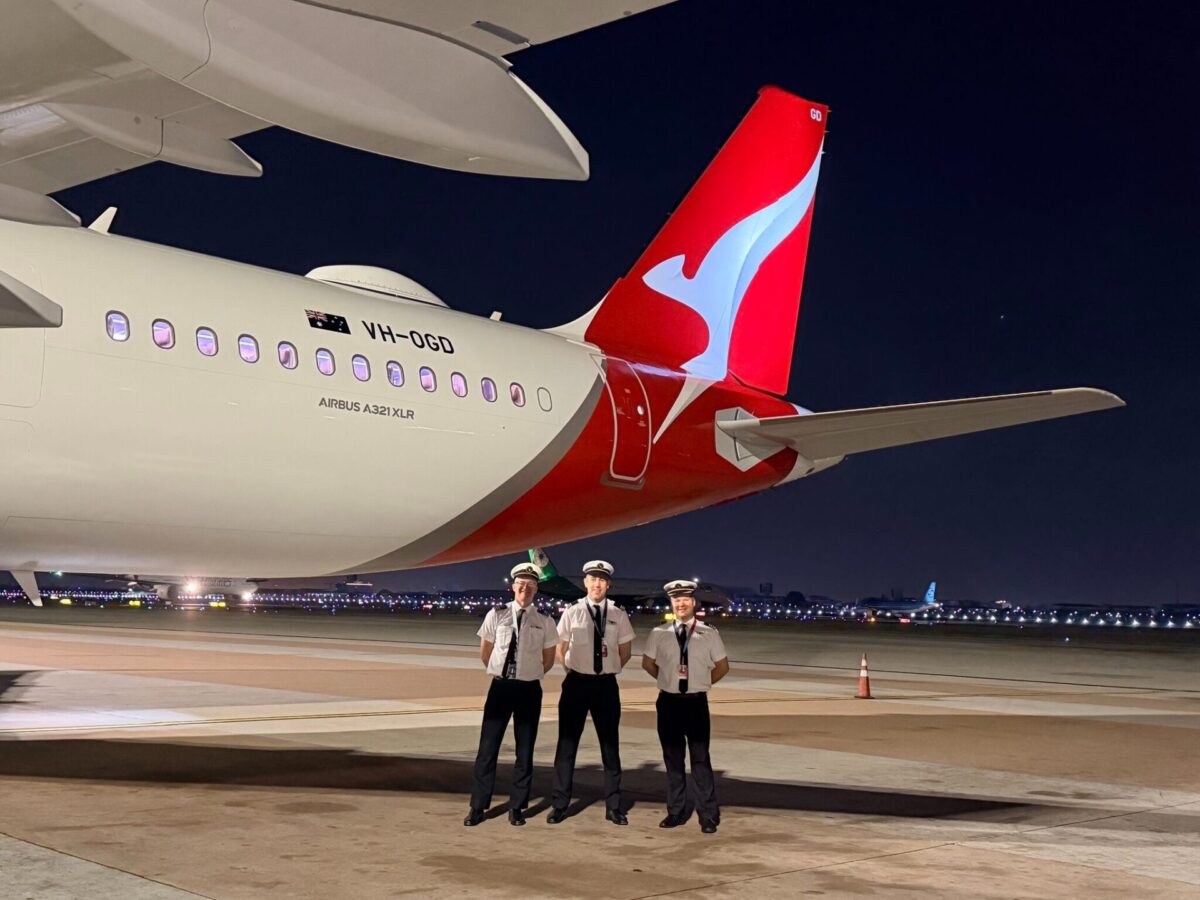
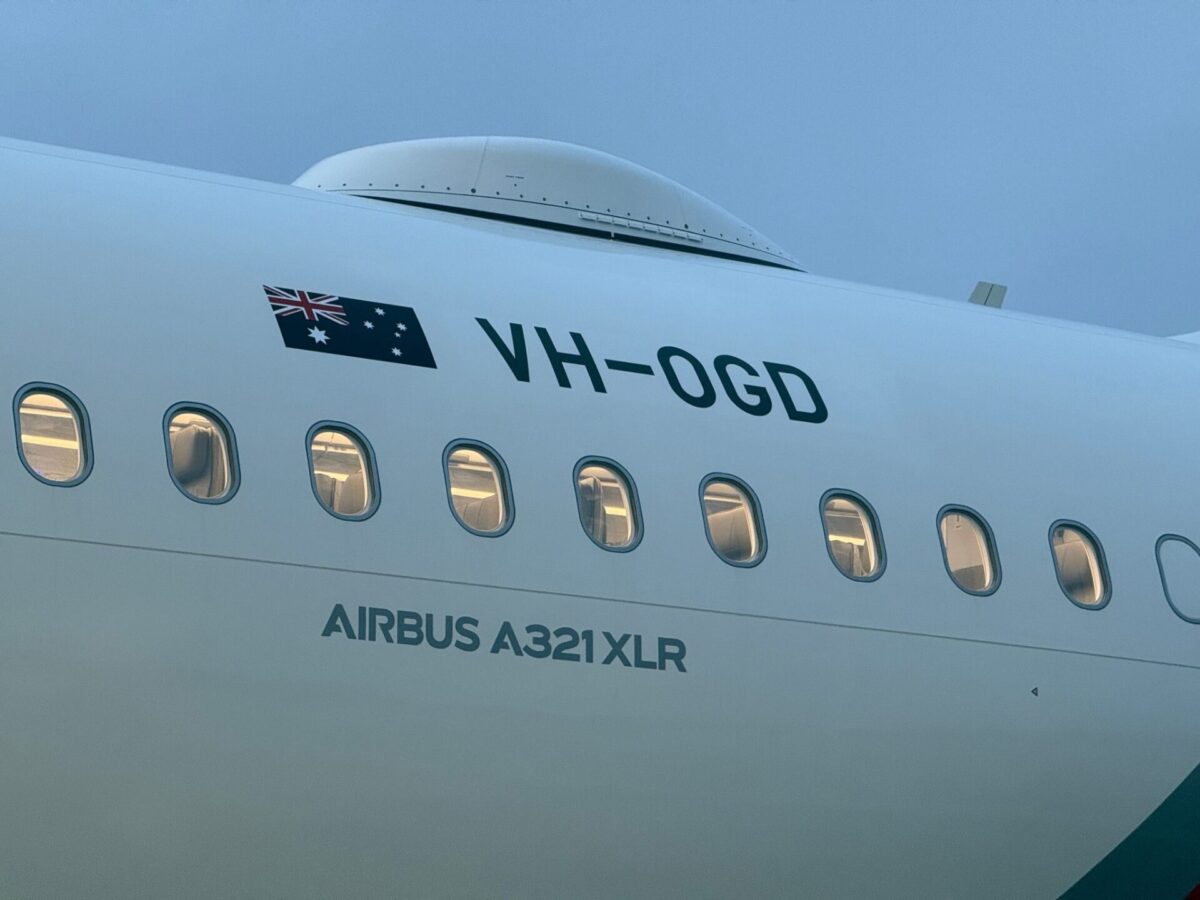
Qantas has taken delivery of its fourth Airbus A321XLR, with the aircraft arriving in Brisbane on the weekend of February 21-22, 2026 following its journey from the Airbus factory in Hamburg via Bangkok.
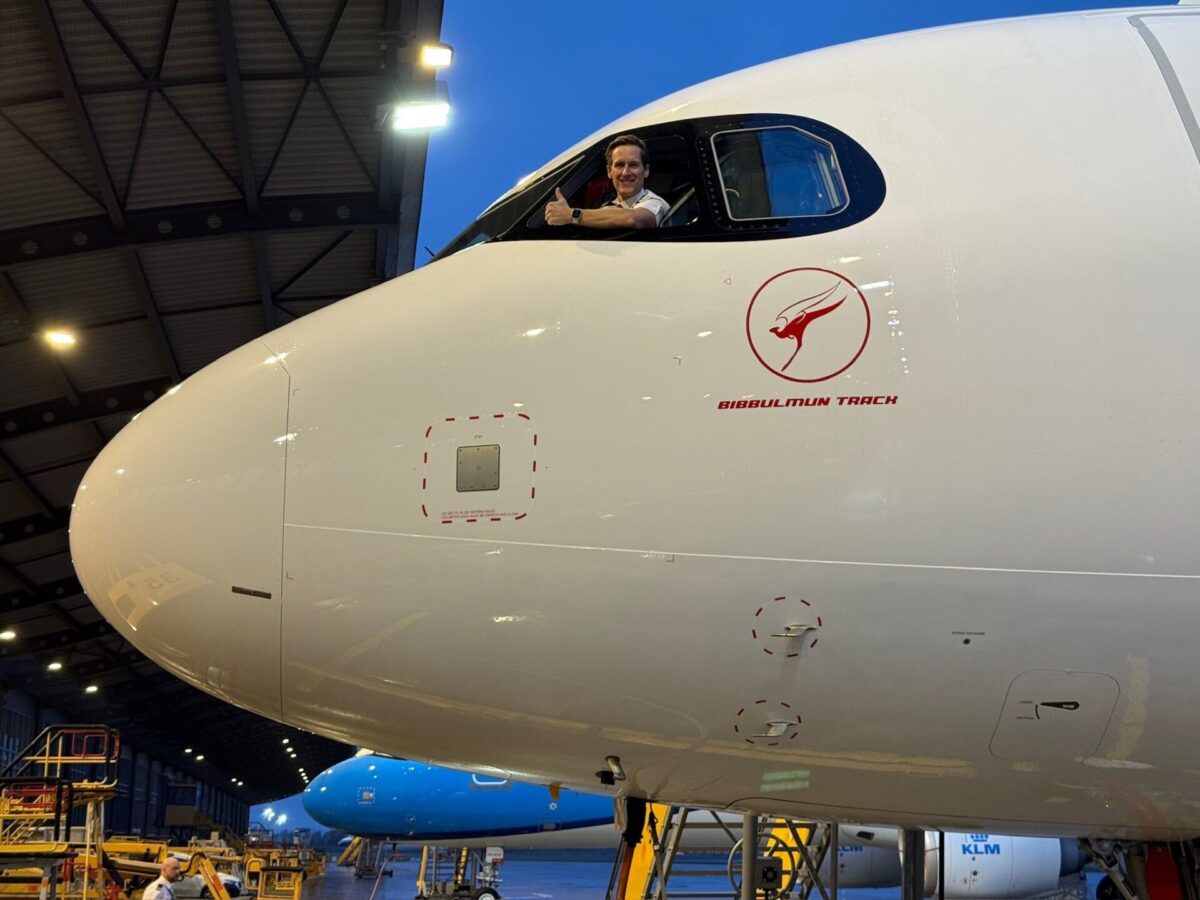
The aircraft, registered VH-OGD and named “Bibbulmun Track” after a walking trail in Western Australia, will enter commercial service in the week of February 23-27, 2026 after completing final preparations by engineers in Brisbane.

Fleet expansion continues
The delivery is another step in Qantas’s fleet renewal program, which includes a total order for 48 A321XLR aircraft.
The Australian flag carrier became the first in the Asia-Pacific region to operate the aircraft type when it launched commercial service with its initial two A321XLRs in September 2025.
The first pair of A321XLRs, named “Great Ocean Road” and “Outback Way,” began revenue operations on September 25, 2025. Currently, the A321XLR fleet operates on domestic routes between Sydney and Brisbane, Melbourne, and Perth.
A321XLR capabilities
The A321XLR measures five meters longer than the Boeing 737 aircraft it replaces and can accommodate 197 passengers. The new aircraft offers a 66% increase in premium seating options compared to the 737, though lie-flat business class seats will only be installed on 16 of the aircraft starting in 2028.
The aircraft’s extended range capabilities allow Qantas to reach destinations in Southeast Asia and the Pacific islands directly from Australia, potentially opening new route opportunities. The airline has indicated it will announce additional routes as more aircraft are delivered.
Service enhancements
Beginning in February 2026, Qantas will introduce a new “Economy Plus” cabin product on its A321XLR fleet, along with A220 and Boeing 737 aircraft. The new seating option will provide passengers with additional legroom and other amenities on domestic and short-haul international routes, including flights to New Zealand and Pacific Island destinations.
The introduction of Economy Plus represents Qantas’s effort to differentiate its service offerings in increasingly competitive domestic and regional markets while maximizing revenue from its new aircraft investments.
With 44 additional A321XLR aircraft still to be delivered, Qantas expects the type to play a significant role in its future network strategy and fleet modernization efforts.
Environmental and operational benefits
According to Qantas, A321XLR generates lower carbon emissions per seat compared to older aircraft on equivalent routes. The improved fuel efficiency supports the airline’s environmental goals while providing operational cost advantages.
The aircraft also enables Qantas to serve thinner routes that may not justify larger widebody aircraft while offering passengers more direct flight options.
Naming the aircraft after Australian geography
Qantas has adopted a naming theme focused on Australian geography for its A321XLR fleet. The aircraft names honor significant roads, rivers, and walking trails across the country, reflecting what the airline describes as “iconic travel opportunities and the importance of connecting this landscape and beyond.”
The first six aircraft names include Bibbulmun Track (Western Australia), Great Ocean Road (Victoria), Murray River (New South Wales), Outback Way (covering Queensland, Northern Territory, and Western Australia), Red Centre Way (Northern Territory), and Seven Peaks Walk (New South Wales).