
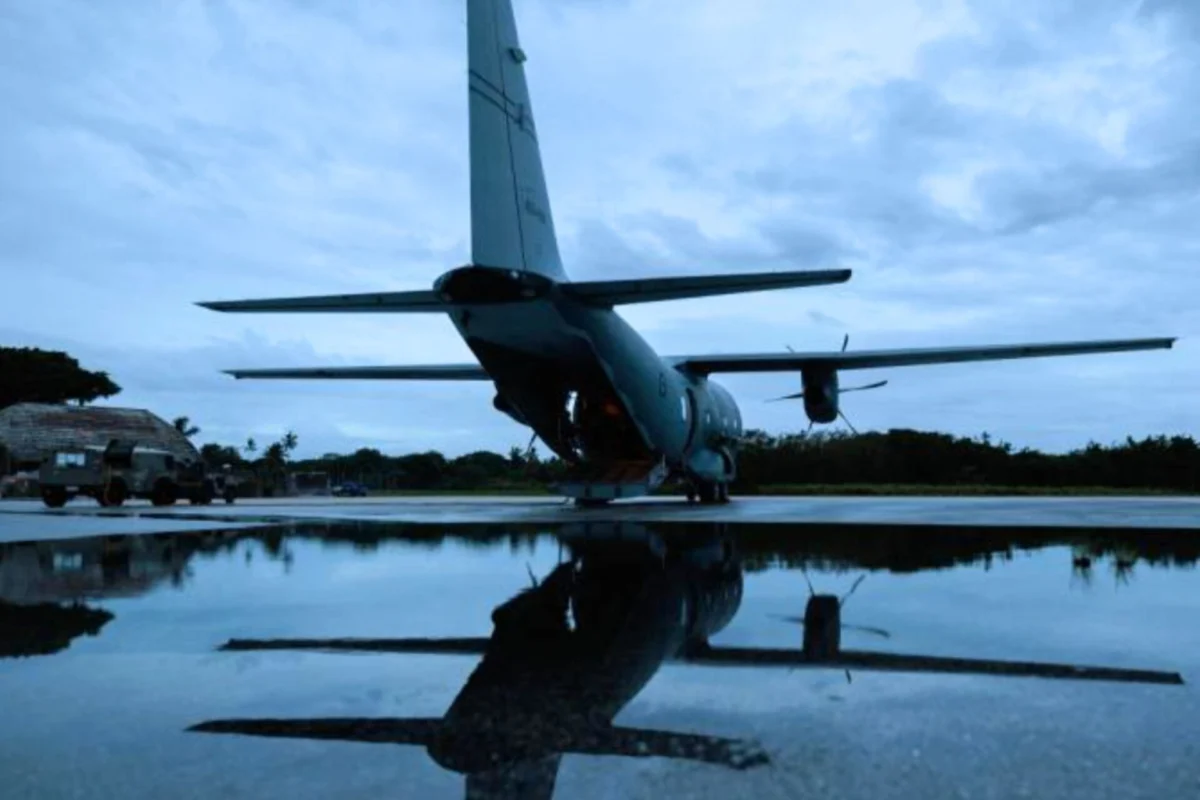
A Royal Australian Air Force (RAAF) C-27J Spartan conducted aerial surveillance missions over waters near the Cook Islands and Tonga as part of a multinational operation to detect and deter illegal fishing in the Pacific.
The deployment, carried out under Operation Solania, marked the first time the Australian Defence Force (ADF) has operated in the Cook Islands under the program. The RAAF aircraft and personnel worked alongside the Royal New Zealand Air Force (RNZAF) in support of Operation Tui Moana, a fisheries enforcement effort coordinated by the Pacific Islands Forum Fisheries Agency.
During the mission, the ADF said it had identified 12 vessels of interest in the region.

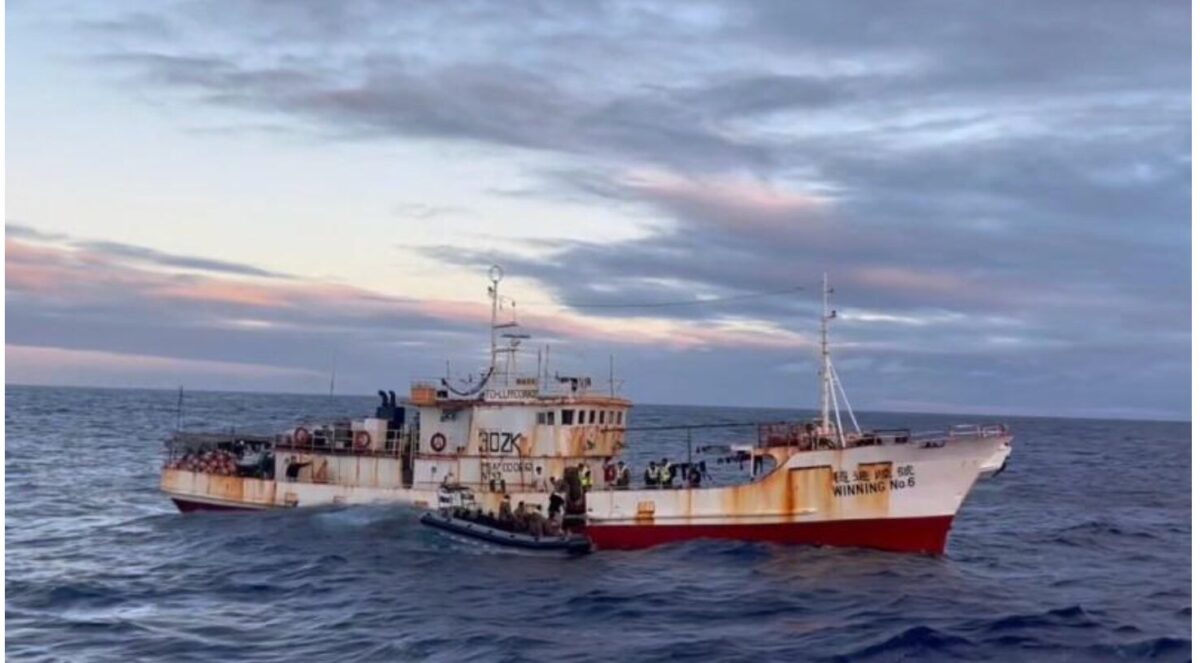
Why the C-27J matters in the Pacific Islands
For Pacific Island nations that lack their own aerial surveillance capability, the C-27J Spartan fills a critical gap. Patrol boats can only cover so much ocean at a time, but an aircraft flying overhead can scan far larger stretches of sea and relay what it finds to vessels and authorities below.
Cook Islands Prime Minister Mark Brown said the surveillance flights provide something his country simply cannot do on its own.
“The surveillance missions really add value to Pacific Island countries who don’t have the resources or the capacity and capabilities to conduct the aerial surveillance that is provided for us now,” he said.
Susannah Hodson, Australia’s High Commissioner to the Cook Islands, said the impact is significant.
“Countries in the Pacific lose more than $600 million to illegal fishing, so it’s great to have the C-27J Spartan here,” she said. “It complements Cook Islands’ marine asset, Te Kukupa II, with an air-based asset as well.”
Air and sea working together
On the maritime side, Lieutenant Commander Tuariki Henry, commanding officer of the Cook Islands’ Guardian-class patrol boat Te Kukupa II, led a combined crew of Royal New Zealand Navy personnel and Cook Islands police in surface-level surveillance.

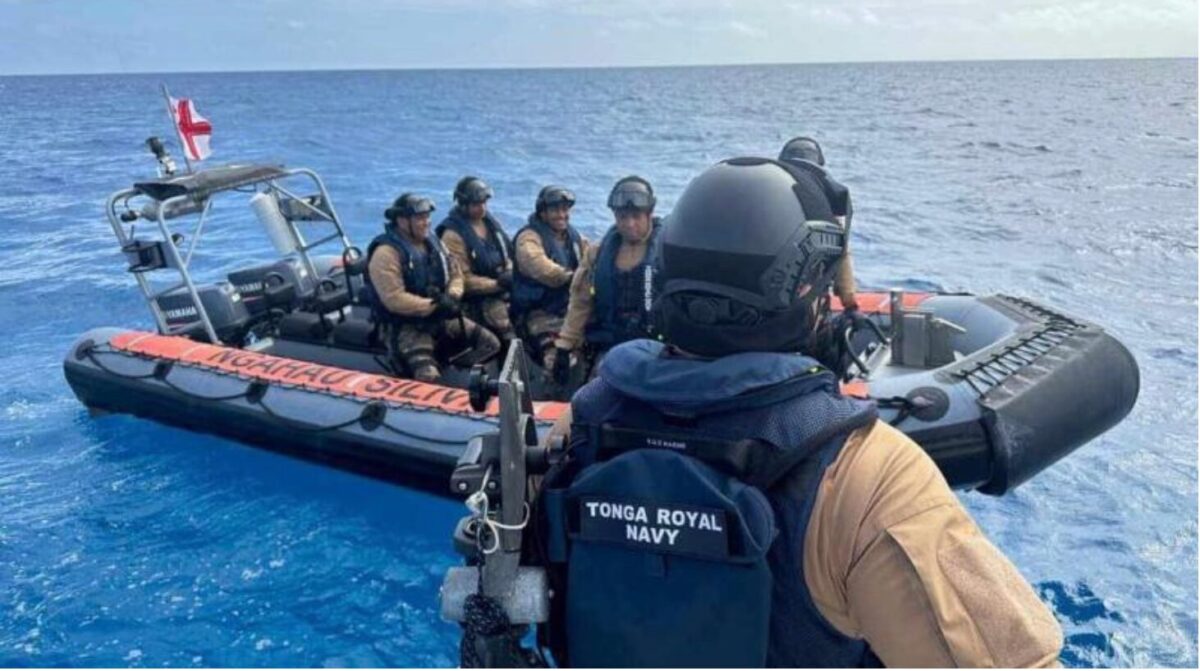
“The main focus of the operation was to collect as much intelligence out at sea as we could on illegal fisheries and customs,” Lieutenant Commander Henry said.
The operation also integrated air riders from the Cook Islands’ Ministry of Marine Resources into the RAAF’s airborne missions, giving local personnel firsthand experience with aerial surveillance and building capability that stays in the country after the deployment ends.
Regional partnerships in action
Cook Islands Police Commissioner Toekotai Joseph said the operation underscored why regional partnerships are essential.
“The objective of this operation was to ensure that our country is protected,” he said. “We can’t do that on our own, we need the support of Australia and New Zealand to be with us.”
Cook Islands police regularly train with both the New Zealand Defence Force and the ADF, including patrol boat training in Australia under the Pacific Maritime Security Program. The ADF also used the deployment to engage with government officials in both the Cook Islands and Tonga as part of its broader commitment to fisheries enforcement in the region.