
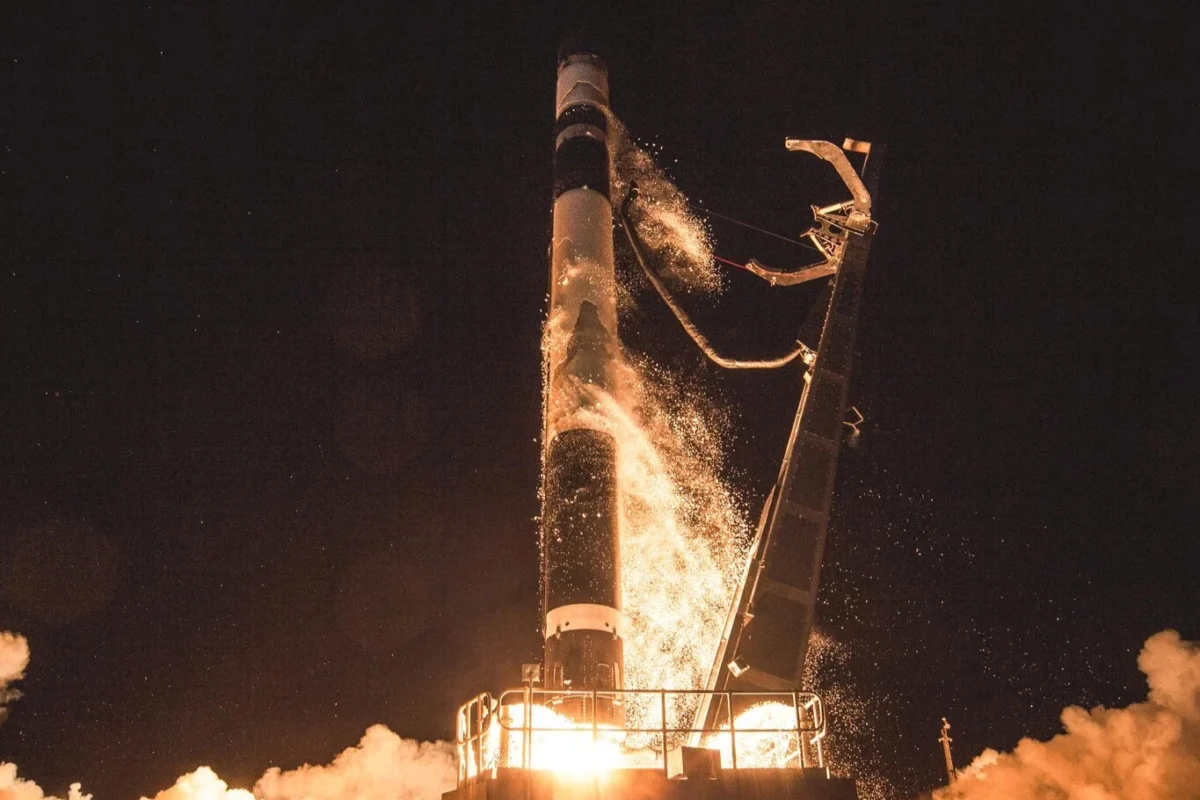
Rocket Lab launched the US Space Force’s Victus Haze mission just 16 hours and 42 minutes after receiving its notice to launch, setting a record for the service’s Tactically Responsive Space (TacRS) program and beating the previous mark by more than 10 hours.
An Electron rocket lifted off from Launch Complex 1 in Mahia, New Zealand, at 22:19 local time on June 19, 2026, placing a Rocket Lab-built Pioneer-class spacecraft into low Earth orbit. The US Space Force’s Space Systems Command (SSC) and Rocket Lab disclosed the mission details on June 22, 2026.
A new responsive space record
The turnaround broke the benchmark set by the 2023 Victus Nox mission, when Firefly Aerospace launched a Millennium Space Systems satellite 27 hours after its call-up. Rocket Lab said its guidance, navigation and control team took about four hours to finalize trajectories, update flight software and coordinate ground stations before liftoff.
The spacecraft was then commissioned in 37 hours and 36 minutes, well inside the mission’s 72-hour deadline.
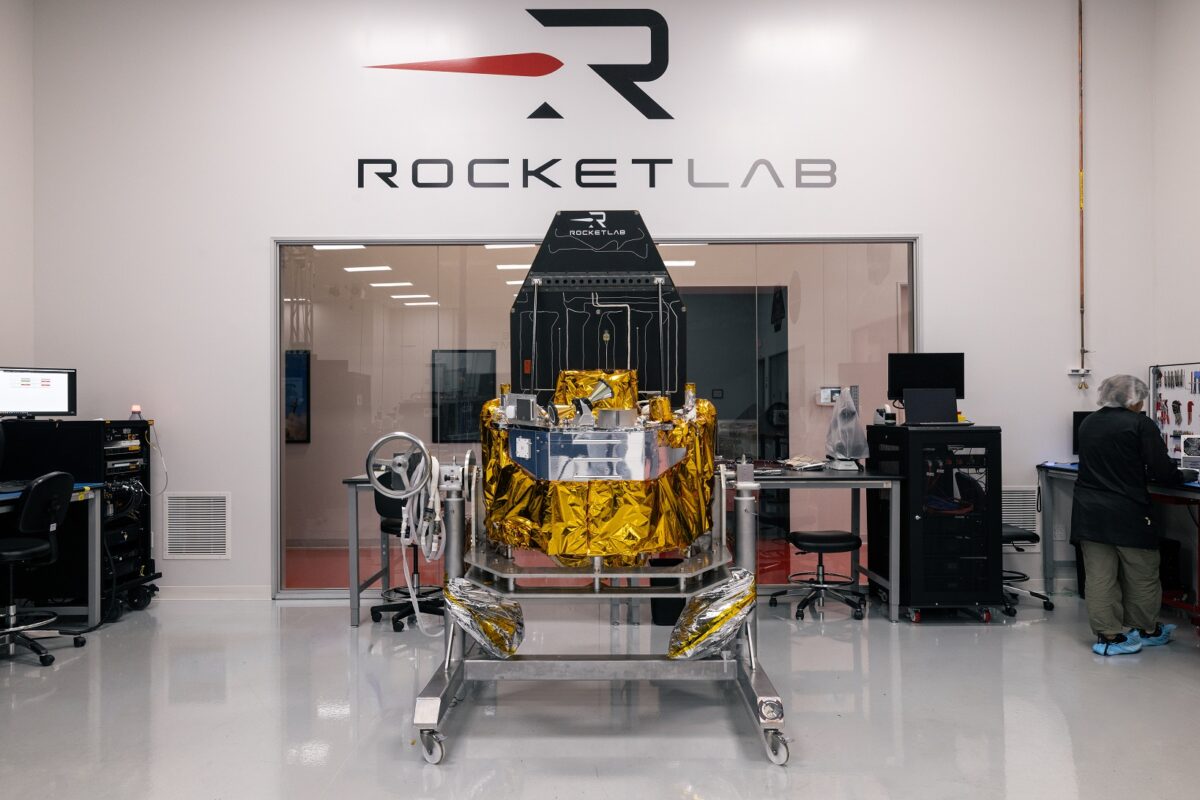
Victus Haze is the first TacRS mission in which a single prime contractor supplied the entire package. Rocket Lab designed and built the spacecraft, launched it on its own rocket and is now running on-orbit operations. Chief executive Peter Beck described the integrated launch-and-spacecraft model as “transformative for responsive space.”
The vehicle, which carries an optical sensor developed by Lawrence Livermore National Laboratory, was built in roughly 18 months around in-house subsystems including propulsion, solar arrays, reaction wheels, radios and flight software.
The mission adds to a fast-growing national security portfolio that recently saw Rocket Lab join Raytheon on the US Space Force’s Golden Dome space-based interceptor program.
Chasing a target in orbit
The Pioneer spacecraft is conducting rendezvous and proximity operations (RPO), maneuvering to inspect and photograph another satellite in what the US Space Force calls a simulated threat-response scenario. Rocket Lab’s announcement referred only to a “non-compliant satellite,” but the target is JACKAL-0004, built by the second Victus Haze performer, Colorado-based True Anomaly.
That spacecraft reached orbit on May 3, 2026, as a rideshare passenger on a SpaceX Falcon 9. The two operators are set to run a series of space domain awareness scenarios, each maneuvering against the other.
True Anomaly’s vehicle was originally meant to fly on Firefly Aerospace’s Alpha rocket, with Rocket Lab launching first. Two Alpha failures in 2025 grounded that rocket for close to a year and pushed Victus Haze into 2026, forcing the switch to a Falcon 9 and a reversal of the launch order.
From demonstration to operation
TacRS is the US Space Force’s effort to deploy or reposition spacecraft in hours rather than months, a response to what it views as an increasingly contested orbital environment.
Colonel Bryon McClain, acting US Space Force Portfolio Acquisition Executive for Space Combat Power, framed Victus Haze as a demonstration of responding to “irresponsible behavior on orbit” under realistic conditions while leaning on commercial partners to keep costs down.