
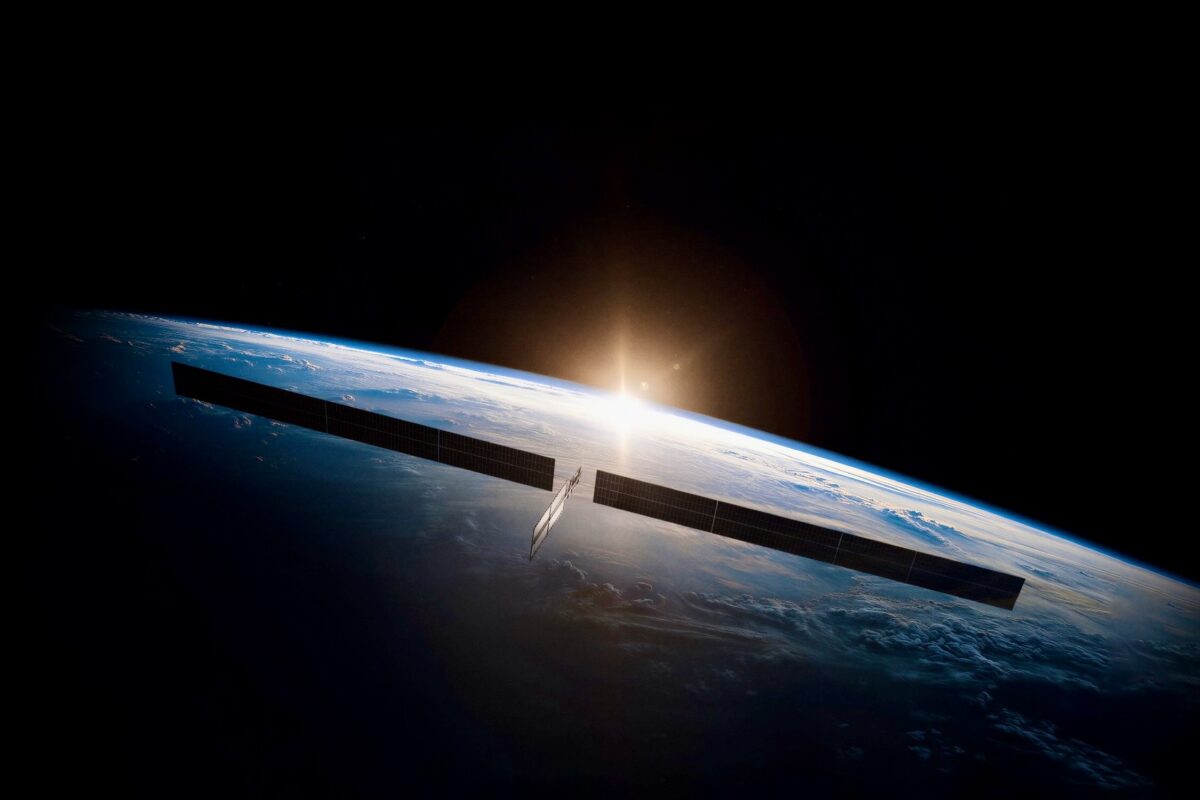
The US Federal Communications Commission (FCC) granted SpaceX conditional approval on November 25, 2026, to deploy up to 1 million satellites that would process data in orbit for use on Earth.
The constellation, called Starmind, is the first orbital data center network authorized by the FCC.
SpaceX applied in January 2026 for permission to launch and operate the network, which is intended to meet growing demand for artificial intelligence computing. The satellites would exchange data using laser links, with radio links available as a backup and for tracking and control.
The license gives SpaceX until November 2033 to put its first Starmind satellite into operation. It must have 100,000 in service by November 2035 and 500,000 by November 2038. The deadline for deploying the full constellation is November 2040.
SpaceX sought permission to move some satellites into other orbits at the end of their service lives. The FCC denied the waiver, saying SpaceX had provided too little information to show that its proposed disposal methods met the agency’s rules.
SpaceX would need a waiver before deploying Starmind satellites that it intends to retire without bringing them back through Earth’s atmosphere.
The American Astronomical Society and the Secure World Foundation were among the groups that raised concerns during the review. Their objections included the risk of collisions, interference with astronomical observations and the potential effects on the atmosphere as satellites burn up on reentry.
The FCC declined to conduct a comprehensive environmental review of the constellation.
The FCC said it is reviewing other orbital data center proposals. Google is pursuing its own research effort, Project Suncatcher, to test whether its AI chips can operate on solar-powered satellites.
The launches needed to deploy Starmind will require separate licensing from the US Federal Aviation Administration (FAA).