
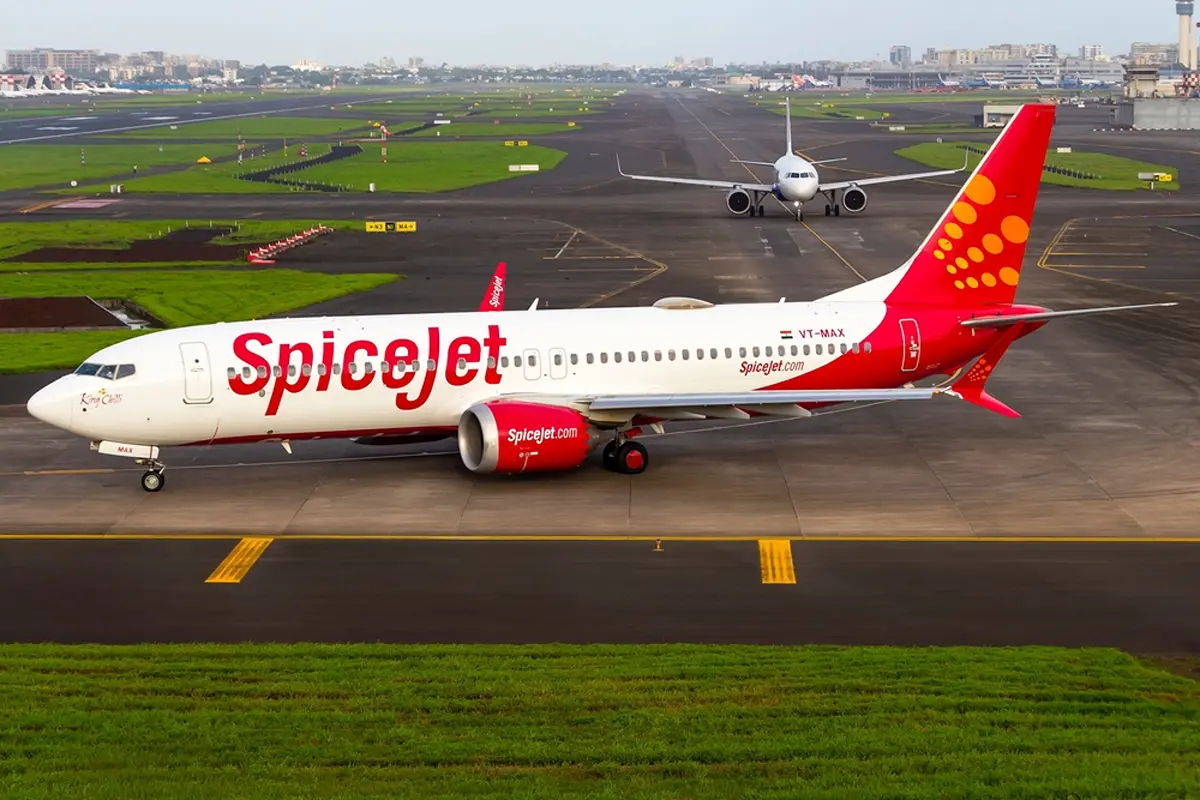
India’s aviation regulator is examining SpiceJet’s operations and finances as the airline struggles with cash shortages, flight disruptions and delayed salary payments.
Civil Aviation Minister Ram Mohan Naidu said on September 22, 2026, that the Directorate General of Civil Aviation (DGCA) was monitoring the carrier to ensure its financial problems do not compromise safety.
Naidu said the ministry remained in contact with SpiceJet but had limited scope to intervene in the business of a privately owned airline. The government’s priorities were maintaining safe operations and preventing further disruption to passengers, he said.
The scrutiny comes as SpiceJet loses ground in India’s domestic market. Its share fell to 1.6% in July 2026 from 1.9% in June, according to official data cited by Press Trust of India.
SpiceJet has also fallen behind on paying wages, as employees were awaiting salary payments covering three and a half months.
SpiceJet has received 1.5 billion rupees, or approximately $15.7 million, under an Emergency Credit Line Guarantee Scheme (ECLGS). The Indian government extended the financing to support airlines affected by the Middle East conflict, which has added to SpiceJet’s financial difficulties.
The minister said the airline would need to work with banks to resolve its remaining funding needs.
In August 2026, India’s National Company Law Tribunal delayed a ruling on bankruptcy petitions after the airline disclosed a last-minute settlement with one of eight lessors. The court criticized the timing of the agreement, which forced it to postpone its decision.
SpiceJet is seeking to rebuild its schedule. The airline planned to wet-lease 20 aircraft and improve operations by mid-October. Senior officials were also discussing fundraising options while the carrier awaited a further 3.5 billion rupees under the credit guarantee.