
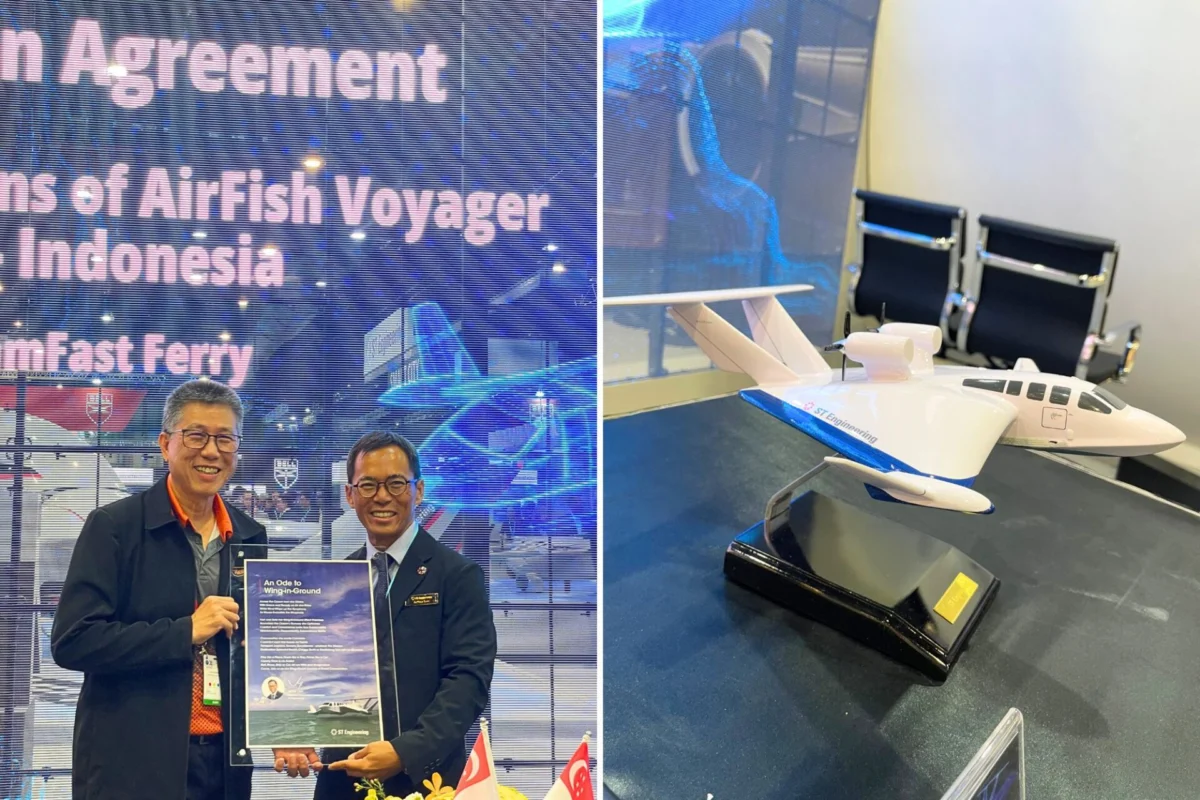
ST Engineering AirX is breaking new ground in regional transport. At Singapore Airshow 2026, the company announced partnerships that will bring the world’s first commercial wing-in-ground craft into service by late 2026
The Singapore-based company revealed deals with two ferry operators, BatamFast and Wings Over Water Ferries, to deploy what it calls the “AirFish Voyager” craft on routes spanning from Indonesia to India’s coastal states. The agreements mark the commercial debut of technology that has long promised to fill the gap between conventional ferries and aircraft.

First routes taking shape
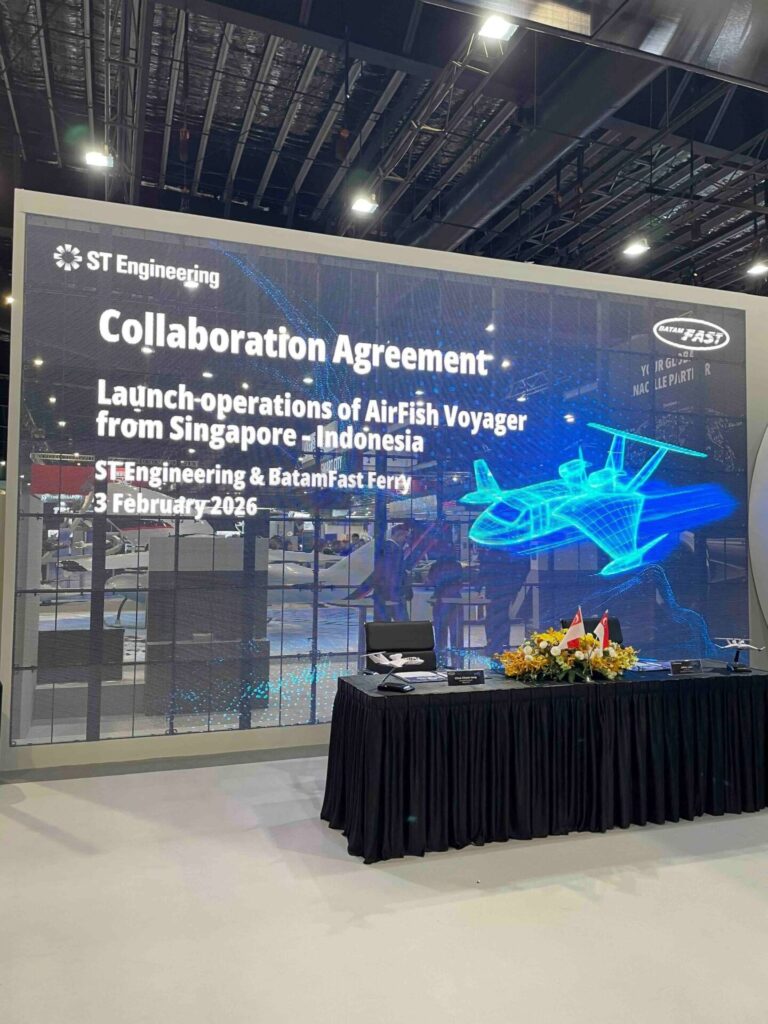
BatamFast will operate the inaugural service between Singapore and Batam, Indonesia, making it the first commercial wing-in-ground craft route anywhere in the world. The 10-seater AirFish Voyager is expected to begin operations in the second half of 2026, subject to regulatory approvals.
“The launch of this innovative craft underscores BatamFast’s commitment to faster, more efficient and more memorable travel experiences,” said Chua Choon Leng, the operator’s General Manager.
The craft promises to transform the Singapore-Batam crossing, which currently relies on conventional ferries that take significantly longer than the AirFish’s projected journey time at speeds up to 100 knots, which is roughly three to four times faster than existing options.
Indian expansion plans
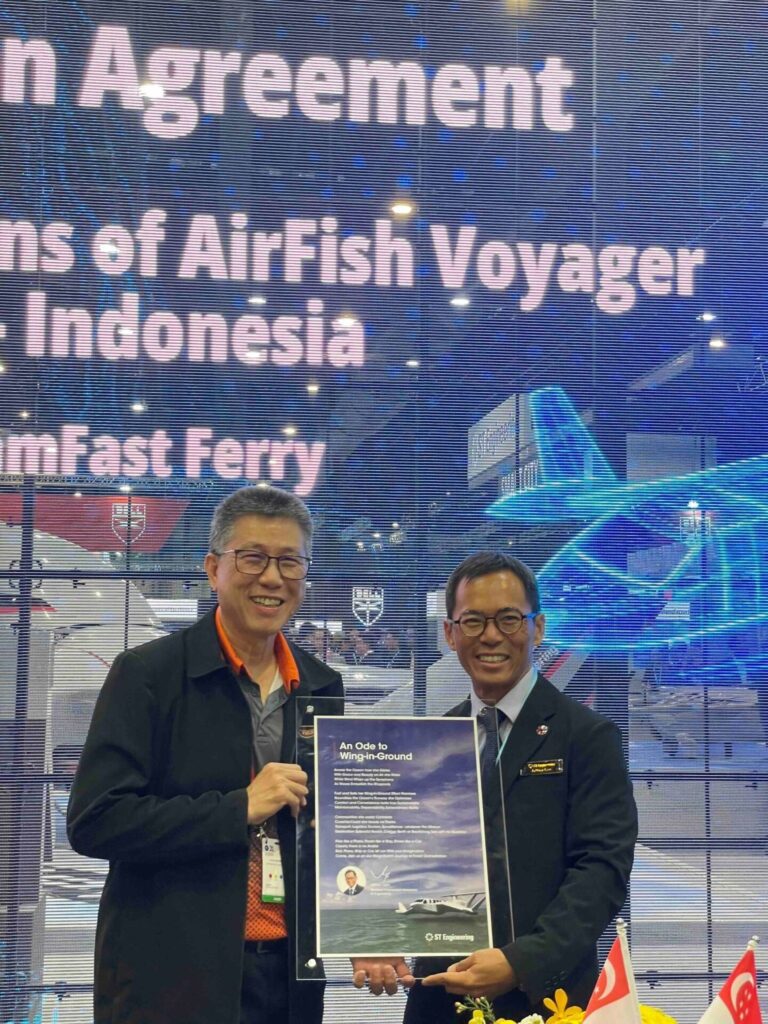
Wings Over Water Ferries plans to bring up to four AirFish craft to India’s coastal markets starting in late 2026. The deployment targets high-demand tourism and commuter routes across states including Andaman and Nicobar, Lakshadweep, Maharashtra, Gujarat, Goa, Andhra Pradesh, and Tamil Nadu.
Beyond operations, the partnership includes plans for local assembly, manufacturing, training, and maintenance capabilities in India, which all aligns with the government’s Make-in-India initiatives.
“The AirFish Voyager introduces an entirely new high-speed mobility layer between boats and aircraft—fast, safe and infrastructure-light,” said Siddharth Verma, WOW’s Managing Director.
How does the AirFish Voyager work?
According to ST Engineering AirX, the AirFish Voyager operates in a unique space that has intrigued engineers for decades. The craft uses ground effect, the aerodynamic phenomenon that occurs when aircraft fly close to the surface, to glide just meters above water at aircraft-like speeds without requiring traditional aviation infrastructure.
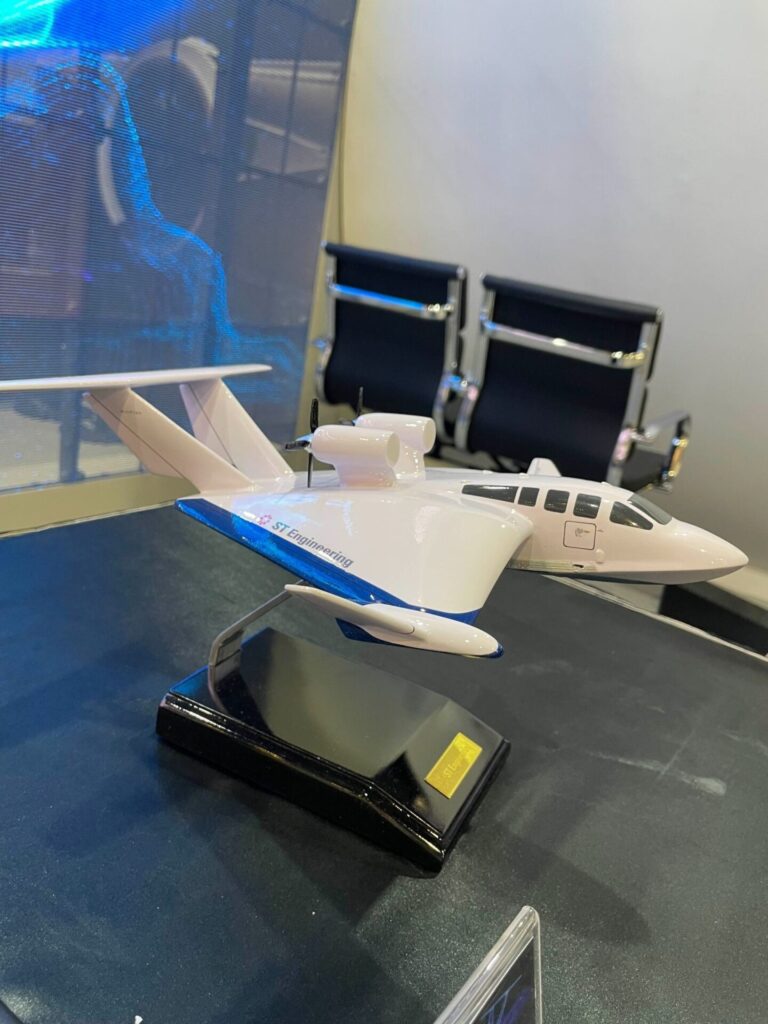
Currently being assembled in Singapore, the craft can carry up to 10 passengers including crew while maintaining maritime classification rather than aircraft certification. This regulatory positioning allows it to operate from conventional marine facilities without the complex infrastructure requirements of airports or seaplane bases.
ST Engineering AirX has been working with classification society Bureau Veritas since 2024 to certify the craft, with classification expected by mid-2026.
Market potential
The partnerships validate what industry insiders have observed: that island-rich regions like Southeast Asia and India’s extensive coastline offer ideal conditions for ground-effect craft deployment. These areas often struggle with connectivity challenges where conventional ferries are too slow, and aircraft operations are either impractical or expensive.
“Together with our partners, we look forward to accelerating the adoption of this innovative craft and transforming how coastal and regional communities connect,” said Jeffrey Lam, President Commercial Aerospace at ST Engineering.
The technology promises applications beyond passenger transport, including logistics, emergency services, and time-critical mobility where speed matters more than capacity. With thousands of islands across Indonesia, the Philippines and India’s archipelago territories, the potential market appears substantial.
For ST Engineering, the partnerships are a culmination of years of development work on technology that many considered promising but unproven in commercial applications. The company’s approach of securing operators before scaling production suggests confidence in moving beyond prototype to revenue-generating service.
The success of these initial routes could determine whether wing-in-ground craft can actually fulfill the companies’ long-promised potential as a new category of regional transport.