
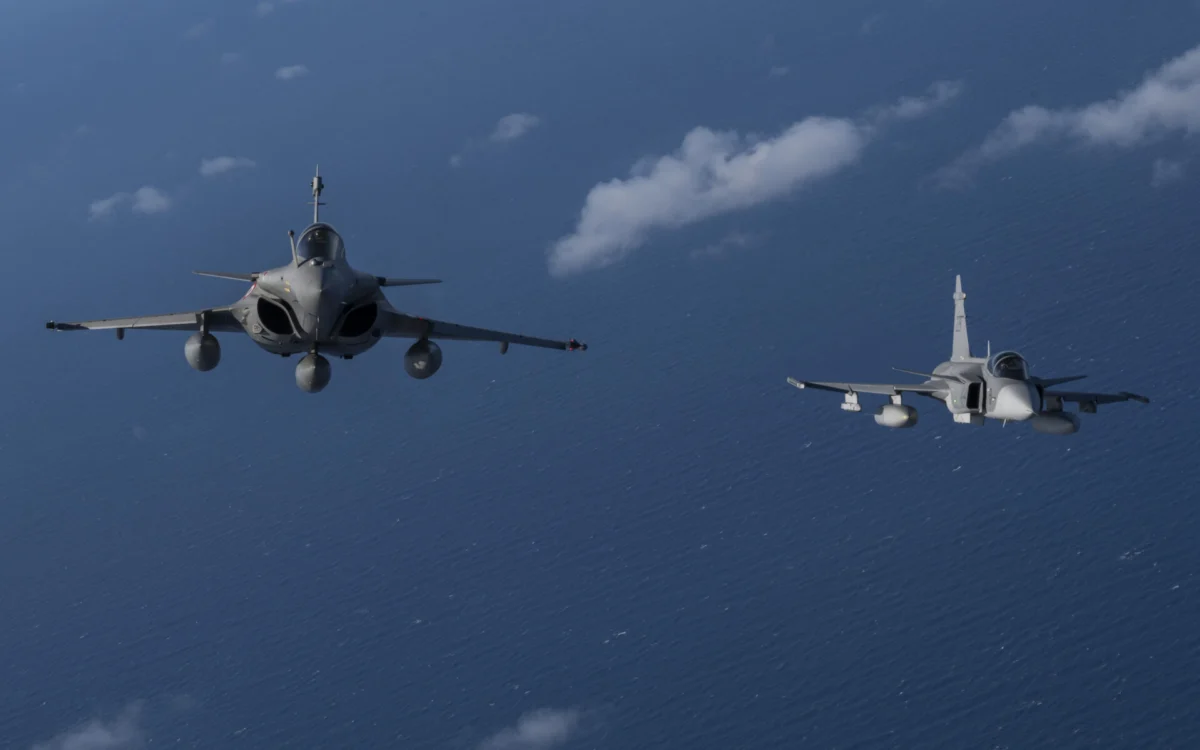
Sweden’s Prime Minister Ulf Kristersson confirmed that Stockholm has begun discussions with France and the United Kingdom on nuclear deterrence. His comments come as uncertainty grows around US security messaging in Europe, sharpened by the Trump administration’s confrontation with Denmark over Greenland.
Speaking on SVT’s Agenda, Kristersson argued that as long as “dangerous countries” possess nuclear weapons, democracies must also have access to nuclear deterrence. He added that Sweden, through NATO, now participates in European discussions that “revolve around nuclear weapons,” a notable shift in tone for a country that has traditionally avoided the subject in public.
The remarks also land as Sweden continues to define its posture as a new NATO member. During the accession process, Stockholm signaled it could consider hosting NATO nuclear weapons only in wartime, not in peacetime.
Greenland as a strategic shock for Europe

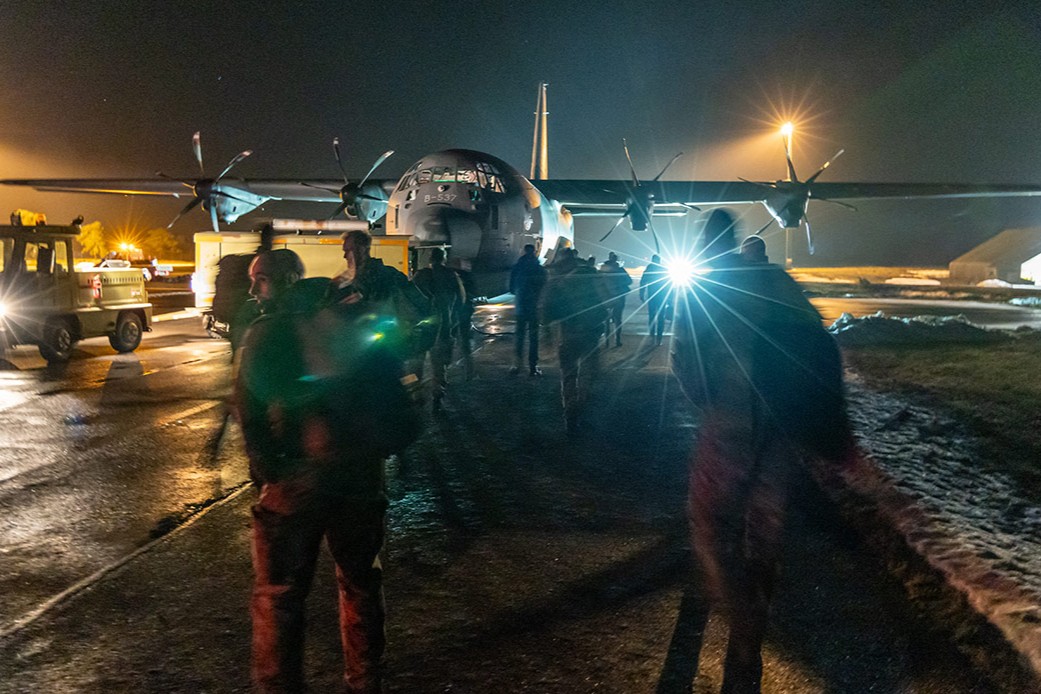
The renewed Swedish debate is unfolding amid a broader European shock triggered by US pressure over Greenland.
Since returning to office, President Donald Trump has framed US control of Greenland as a strategic necessity, citing missile warning, Arctic access, and competition with Russia and China. Coupled with tariff threats and diplomatic pressure on Denmark, the episode has unsettled allies by making US security guarantees appear more conditional and transactional.
For Nordic states, the Greenland dispute has carried outsized political weight. Danish efforts to reinforce Greenland’s security posture have been backed by allied deployments and exercises involving multiple NATO members.
Even if Greenland is geographically distant from Sweden, the crisis has reinforced doubts about predictability at a time when the Arctic and High North are moving to the center of NATO planning.
Against this backdrop, Sweden’s leadership has appeared increasingly willing to revisit questions that were previously considered politically radioactive, including how European nuclear deterrence might function if US commitments were to weaken or become less predictable.
France and the UK sharpen nuclear signaling
In May 2024, Kristersson said Sweden could consider hosting nuclear weapons only “if there is a war against us on our territory,” while stressing that NATO’s nuclear umbrella remained necessary as long as Russia retained nuclear forces.
Sweden has now gone further in political openness. Reports indicate that Stockholm has begun early-stage discussions with France and the UK. The talks appear exploratory, with no concrete proposals reported and no stated change to Sweden’s position on peacetime basing.
However, this outreach coincides with clearer political messaging from Europe’s two nuclear powers.
In May 2025, French President Emmanuel Macron said France was open to discussions about deploying French nuclear weapons in other European countries that request them, under strict political and financial conditions, and with full control remaining with the French president.
Two months later, Paris and London added a new layer of signaling in the Northwood Declaration. While reaffirming their deterrents remain independent, France and the UK said they can be coordinated, adding that there is no extreme threat to Europe that would not prompt a response by both nations.
The declaration was issued alongside a broader reset of the Franco-British defense relationship, including renewed cooperation on long-range strike.
What this could mean for Sweden

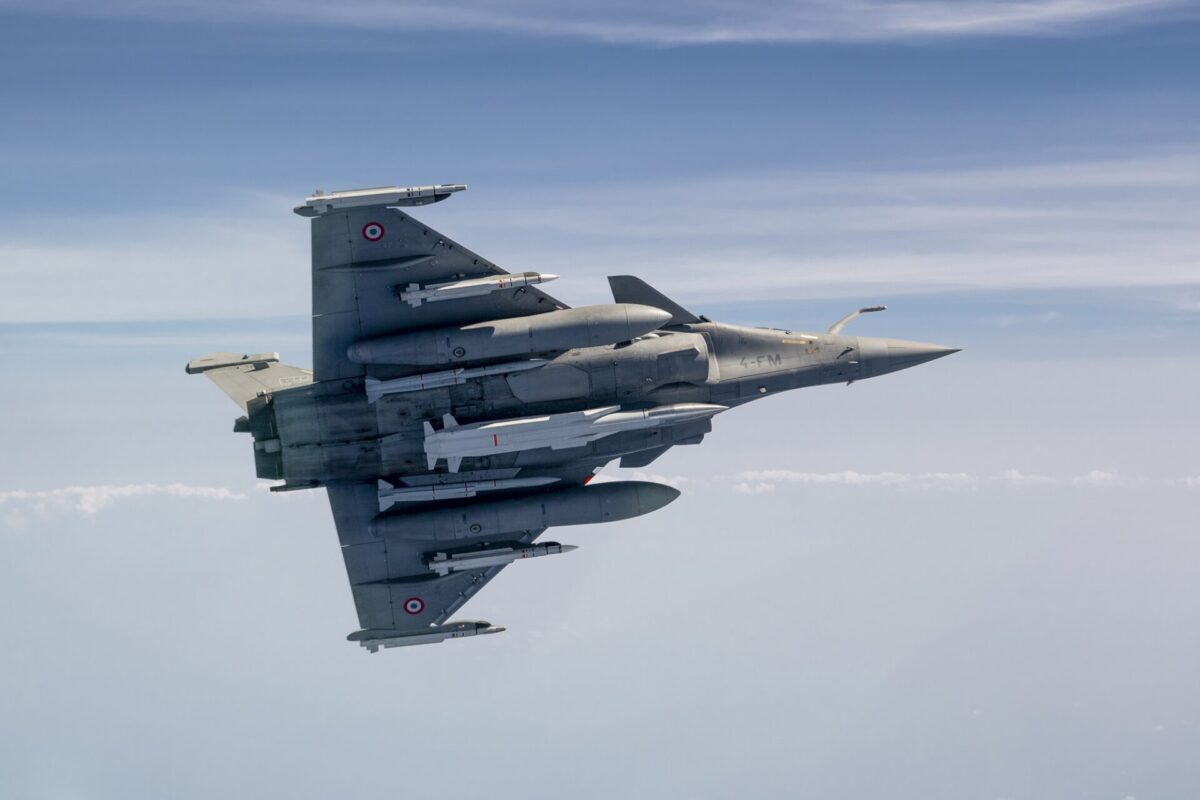
Even under forward-leaning interpretations, this is not about turning Sweden into a nuclear delivery platform. The Gripen is not certified for France’s ASMP-A air-launched nuclear missile, and integrating a national nuclear weapon onto a non-French aircraft would be unlikely given France’s strict sovereignty over its deterrent.
A more plausible scenario, if France chose to make its deterrent more visibly “European,” would be forward basing nuclear-capable Rafale B aircraft of the French Strategic Air Forces, along with French crews, French weapons, and French command authority on allied territory. That model is closer to reassurance and signaling than to NATO-style nuclear sharing. Macron has explicitly floated that idea, and variations of it have already appeared in debates involving Germany and Poland.