
In a sweeping reset of US space policy, President Donald Trump on December 18, 2025, signed an executive order directing NASA to return astronauts to the Moon by 2028, establish the first elements of a permanent lunar base by 2030, deploy nuclear power systems on the Moon and in orbit, and accelerate development of the administration’s “Golden Dome” missile defense program.
The order, titled Ensuring American Space Superiority, sets some of the most aggressive space and defense timelines ever laid out in a single White House directive, blending civil exploration, national security, and commercial space development into one policy framework.
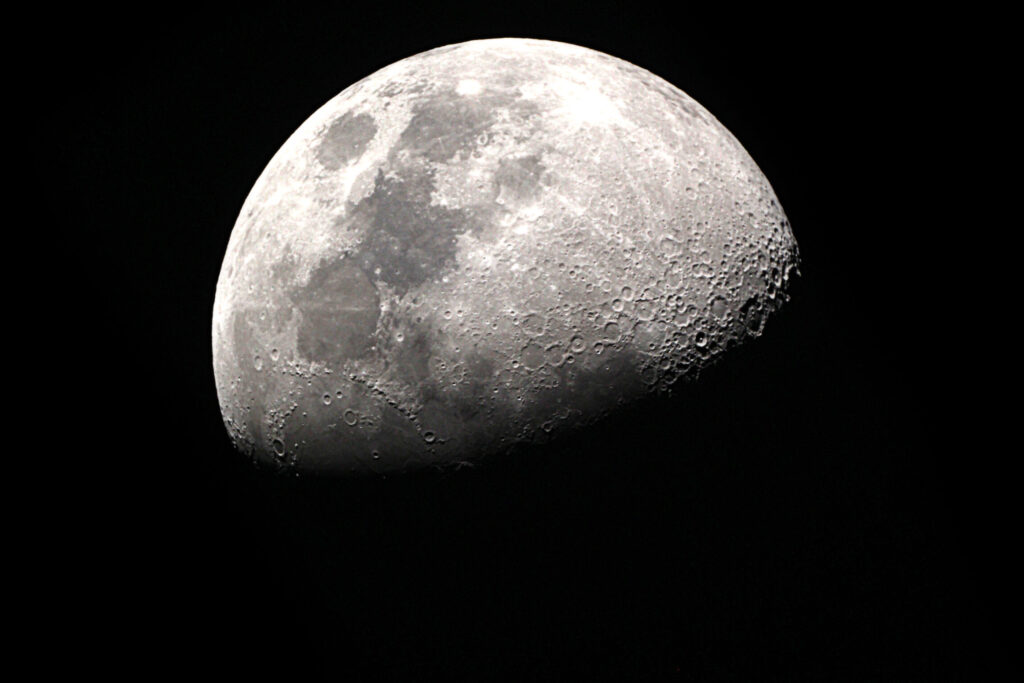
Under the order, NASA is instructed to land Americans on the Moon by 2028 through the Artemis program, and then move quickly toward establishing an initial, sustained lunar presence by the end of the decade. The administration frames the Moon not only as a destination, but as strategic infrastructure — a platform for economic activity, scientific research, and preparation for future missions to Mars.
Lunar nuclear reactors
A central and notable element of the policy is nuclear power. The order calls for deploying nuclear reactors on the lunar surface and in orbit, with a lunar surface reactor required to be ready for launch by 2030. The White House argues that nuclear power is essential to sustaining long-duration operations on the Moon, where solar energy alone may not support continuous activity.
The executive order also reiterates Trump’s push for the Golden Dome missile defense initiative, directing the government to develop and demonstrate prototype next-generation missile defense technologies by 2028. It also calls for improved detection and countermeasures against threats to US space assets, extending from low Earth orbit to the moon, including concerns over nuclear weapons placed in orbit.
The order places heavy emphasis on accelerating procurement and integrating commercial space capabilities. NASA and the Department of Commerce are directed to reform their space acquisition processes within 180 days, with a stated preference for commercial solutions, faster contracting methods, and reduced bureaucratic friction. The policy also seeks to attract at least $50 billion in additional private investment into US space markets by 2028.
Compressed timelines
Commercial space involving many companies is positioned in Trump’s order as a replacement, not just a partner, for legacy government programs. NASA is directed to pursue a commercial pathway to replace the International Space Station by 2030, continuing the transition toward privately owned and operated orbital platforms.
The order also makes structural changes to space governance. It revokes the National Space Council and shifts coordination of national space policy to the White House Office of Science and Technology Policy. Several agencies are given near-term reporting deadlines, including a 90-day requirement for NASA to outline how it will meet the Moon and exploration goals within existing funding levels.
In addition, the order revises prior space traffic management policy by removing language that had described government-provided tracking services as free, potentially opening the door to paid or commercially supported models in the future.
Taken together, the executive order outlines an expansive vision with compressed timelines, placing pressure on NASA, the Pentagon, and industry to deliver rapid progress.