
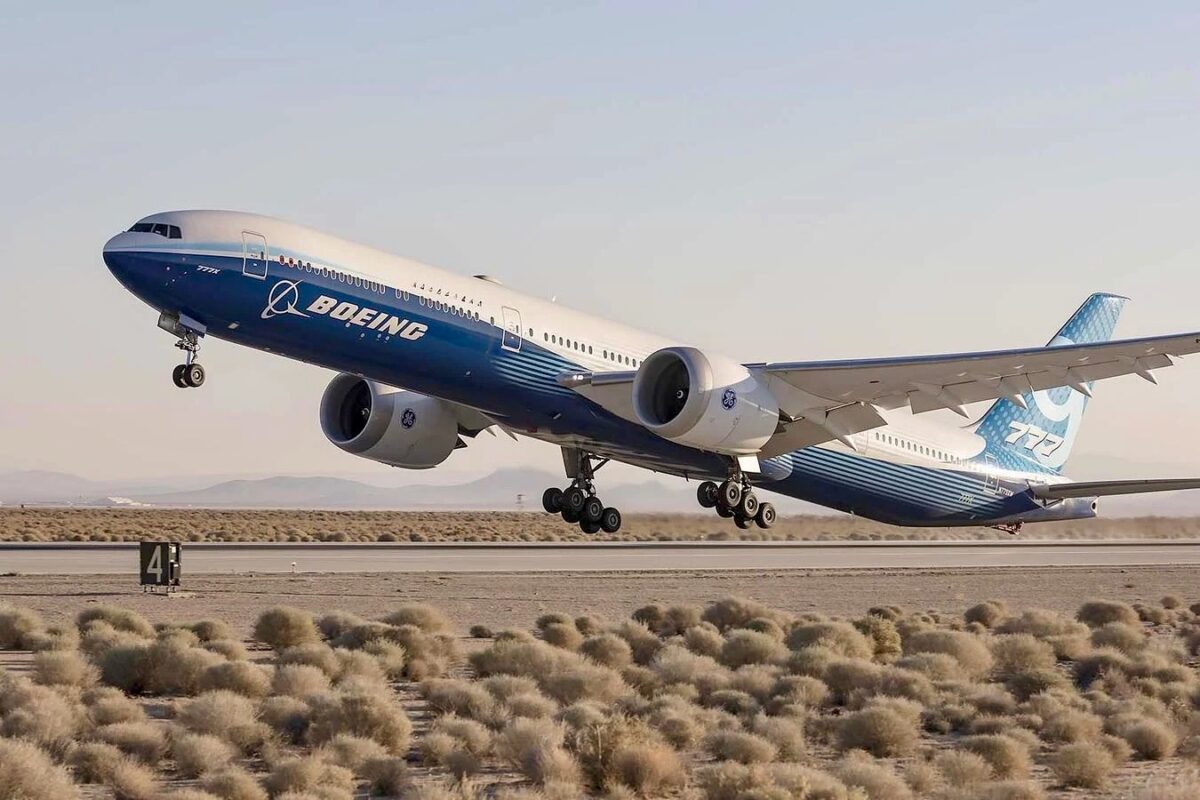
US Transportation Secretary Sean Duffy said the United States wants to be able to shorten the time needed to certify new aircraft, warning that lengthy approvals could discourage future investment and leave American manufacturers at a disadvantage to China.
Speaking in Washington on September 30, 2026, Duffy said the current certification process was holding back new designs from major aircraft manufacturers. He argued that investors would be reluctant to finance projects that could take a decade to win approval.
“We need to make sure we have safe aviation, but can we move faster?” he said, according to Reuters.
The Federal Aviation Administration (FAA) proposed changes in June 2026 aimed at reducing the time and cost of certifying transport-category aircraft and their propulsion systems.
The proposal would write commonly used exemptions, special conditions and equivalent-level-of-safety findings into the regulations. That, Duffy said, would reduce the need for manufacturers and the FAA to repeatedly work through separate approvals for design features already familiar to the agency.
The FAA said the changes would maintain safety standards while bringing US requirements closer to those of the European Union Aviation Safety Agency (EASA), making it easier for each regulator to approve the other’s products.
Duffy’s call for faster approvals comes as Boeing faces another delay in certifying its 737 MAX 10. On September 28, the FAA said it would hold off approving the aircraft until a recently disclosed software issue was resolved.
The agency said the software could increase pilot workload during a go-around. Duffy said on September 30 that he did not currently see a safety concern arising from the issue.
The FAA’s proposed certification changes cover cabin interiors, emergency exits and signs, fuel tank flammability assessments, windshield visibility and decompression standards. They also address protections against unsafe use of power levers or thrust reversers.
The agency said the proposal incorporates recommendations from its Aviation Rulemaking Advisory Committee and the National Transportation Safety Board, along with a requirement in the 2024 FAA Reauthorization Act.