
US Transportation Secretary Sean Duffy warned on March 19, 2026, that small airport terminals could soon be forced to close if a partial government shutdown continues to keep tens of thousands of Transportation Security Administration (TSA) officers from receiving paychecks.
About 50,000 TSA personnel have been working without pay during the shutdown that began on February 13 and absentee rates have risen sharply in recent days.
Duffy suggested that the current disruptions could worsen next week, with TSA officers set to miss another paycheck on March 27. He said travelers are likely to see more severe effects if the standoff continues, including the potential complete shutdown of smaller airport terminals that rely on thinner staffing levels to keep checkpoints open.
The warning comes as TSA staffing has been strained by elevated absences. Reuters reported that roughly 10% of TSA officers have been absent from work each day since March 15, about five times the normal level. At some airports, absentee rates have been far higher. The Department of Homeland Security said earlier this week that absences reached about 30% at New York JFK, Pittsburgh, and Houston Bush Intercontinental, and 40% at Houston Hobby.
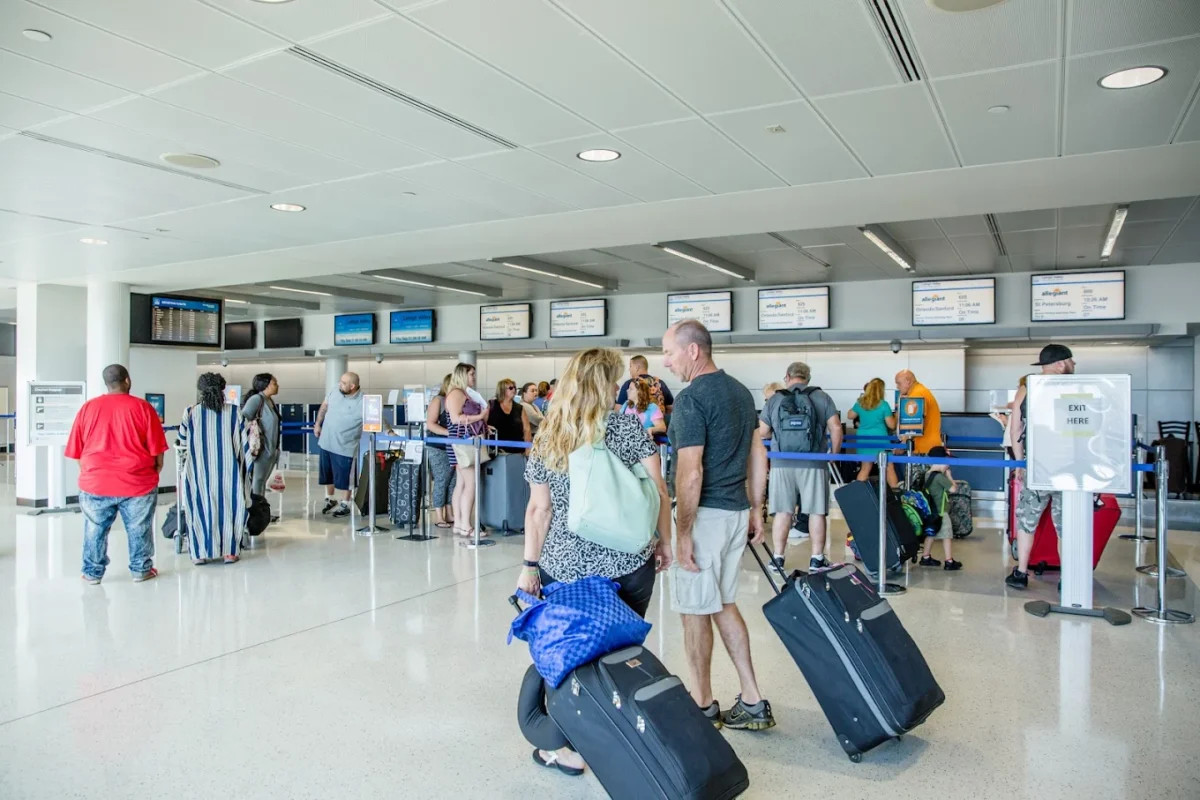
Reuters reported that some airports have closed security checkpoints, while long lines have formed at larger hubs as fewer officers screen passengers. In Houston, New Orleans, and Atlanta, travelers have faced extended waits as spring break demand builds.
The partial government shutdown began after Congress failed to resolve a dispute tied to immigration reform, leaving the Department of Homeland Security (DHS) partially unfunded. Because the TSA is part of the DHS, frontline officers have continued to work without pay. According to Reuters, 366 TSA officers have quit since the shutdown began.
Airlines have been warning that the staffing crisis could disrupt a record-breaking Spring travel season. Major U.S. airline chief executives urged Congress to end the standoff and restore pay to airport security officers, arguing that the travel system was at risk as carriers prepare for about 171 million passengers during the Spring period.