
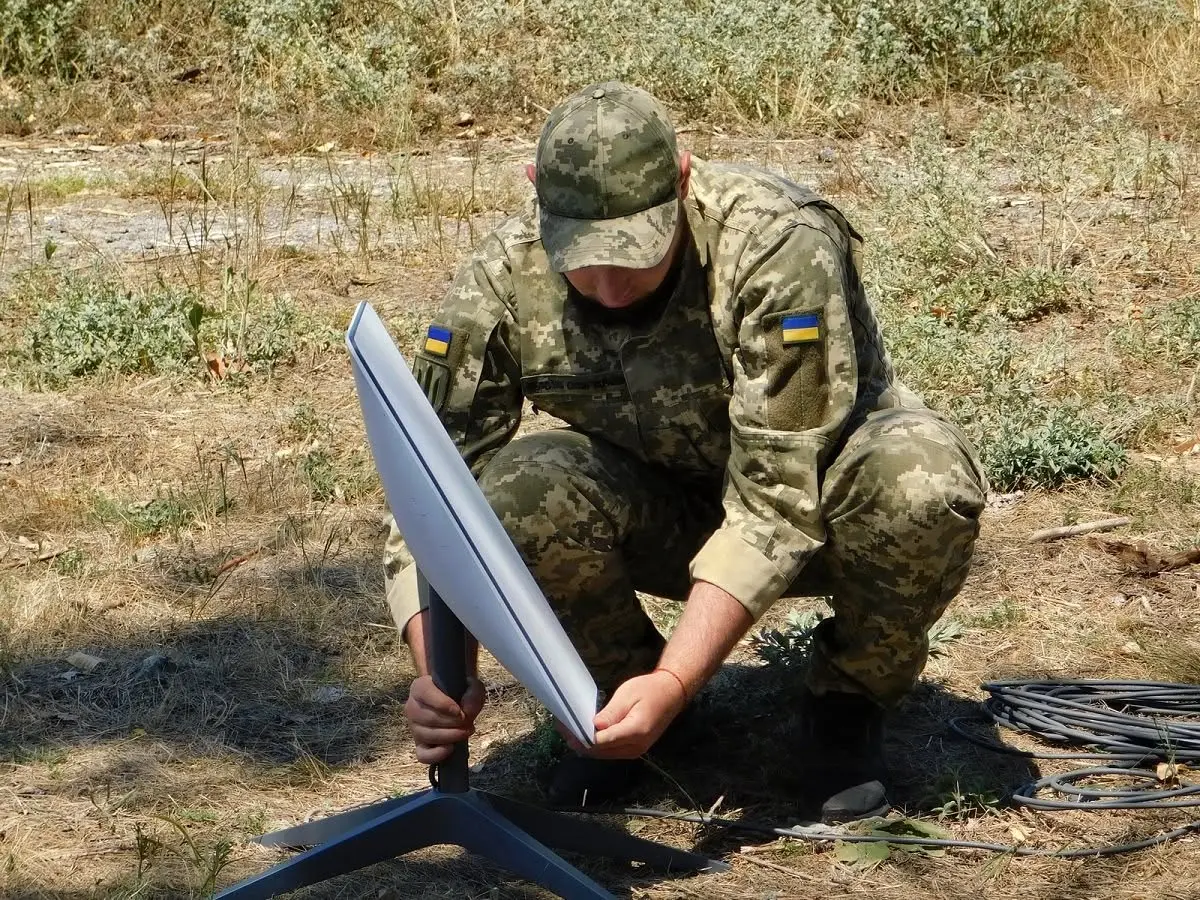
Starshield, the military-grade version of SpaceX’s Starlink satellite service, is once again losing connectivity on equipment moving faster than 161 kilometers per hour (100 miles per hour) in Ukraine, President Volodymyr Zelenskyy said on November 12, 2026. The restrictions have returned less than three weeks after Kyiv announced that a similar cap had been lifted.
In a post on X, Zelenskyy said Ukrainian units had reported “significant disruptions” to Starshield for several days across the front line and Russian-occupied areas of Ukraine. He cited briefings from Defense Minister Yevhenii Khmara and Mykhailo Drapatyi, Commander-in-Chief of the Armed Forces of Ukraine.
According to Zelenskyy, the military investigated the disruptions and concluded they were “not random errors but systematic speed restrictions.” He did not say when the restrictions began or who imposed them, adding that Kyiv was “trying to establish all the circumstances with the American side.”
Received briefings from Minister of Defense of Ukraine Yevhenii Khmara and Commander-in-Chief of the Armed Forces of Ukraine Mykhailo Drapatyi. Unfortunately, our units have been recording significant disruptions to Starshield’s operations over the territory of Ukraine for several days now – along the entire front line and in the temporarily occupied territories of Ukraine. Specifically, systematic speed restrictions are being imposed on Starshield, limiting it to 161 kilometers per hour (100 miles per hour). The Ukrainian military have already investigated the circumstances, and these are not random errors but systematic speed restrictions. For us, this primarily means a significant complication in intercepting Russian jet-powered drones. Unfortunately, there have already been strikes that got through because our interception systems cannot reach sufficient speeds and are unable to intercept in time. Unfortunately, this is helping the Russians kill more Ukrainians and carry out more accurate strikes against Ukraine. We are trying to establish all the circumstances with the American side.
— Volodymyr Zelenskyy / Володимир Зеленський (@ZelenskyyUa) November 12, 2026
Starshield restrictions hamper interception of Russian drones

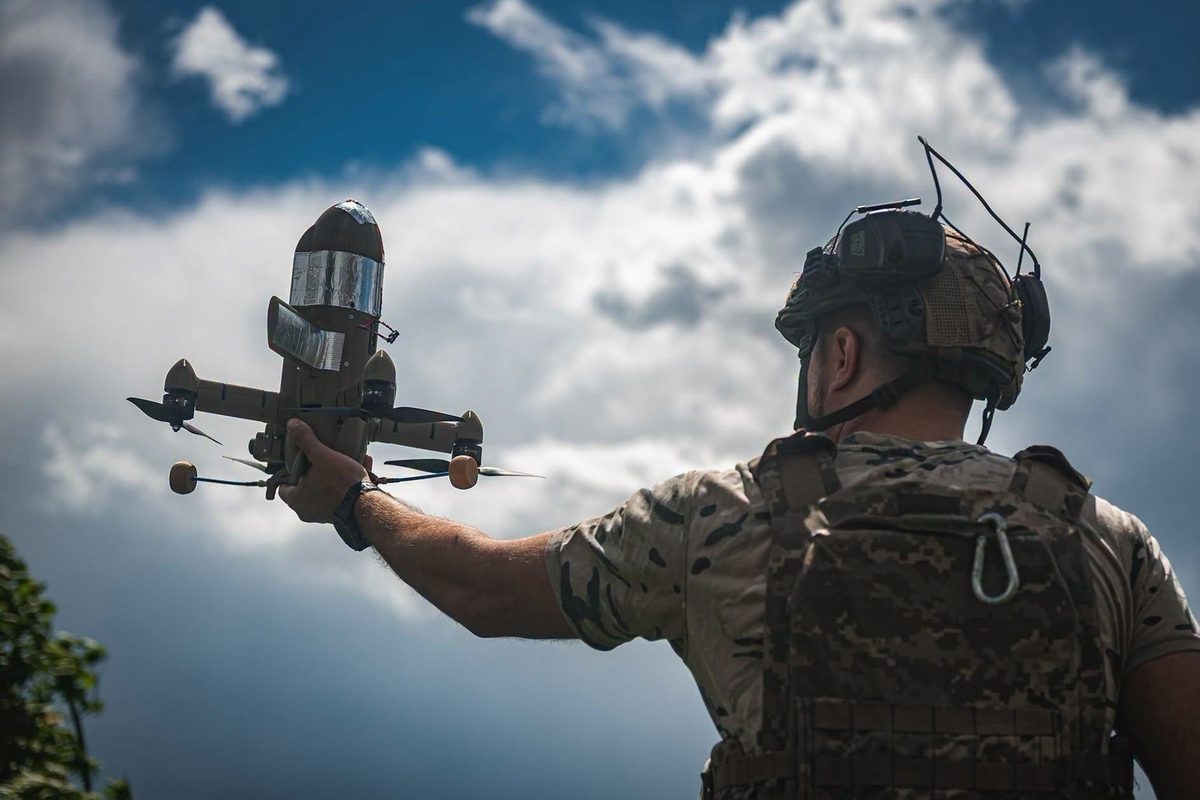
Zelenskyy said the renewed cap is primarily disrupting efforts to intercept Russian jet-powered drones. The Geran-4, for example, typically flies at 300–400 kilometers per hour (185–250 miles per hour), according to Ukraine’s Defense Intelligence.
Some attacks have already succeeded because Ukrainian interceptors cannot reach the necessary speeds while maintaining connectivity, he said, without identifying specific strikes.
When the cap first appeared in October 2026, presidential defense technology adviser Serhii Beskrestnov warned that it could undermine interceptor drones relying on Starshield links, which he described as Ukraine’s most effective counter to Russia’s jet-powered Shahed derivatives.
Previous Starshield speed restrictions were lifted in October
The latest 161 km/h threshold matches the cap Ukrainian officials reported between October 14 and October 24, 2026. On October 19, Zelenskyy said equipment was losing connectivity at speeds ranging from 130 to 161 km/h (81 to 100 mph), depending on the sector of the front. On October 24, Ukraine’s Ministry of Defense announced that its monitoring systems were recording stable connectivity at more than 400 km/h (about 250 mph).
Responsibility for the October restrictions remains disputed. On October 14, SpaceX CEO Elon Musk wrote on X that limits on Starshield were decided “by the US military and ultimately POTUS.” Reuters reported that the order came from inside the White House, while Trump administration officials denied responsibility.
On October 24, 2026, Musk accused Ukraine of violating the terms of service of Starlink, SpaceX’s commercial service, while reiterating that Starshield was controlled by the US government.