
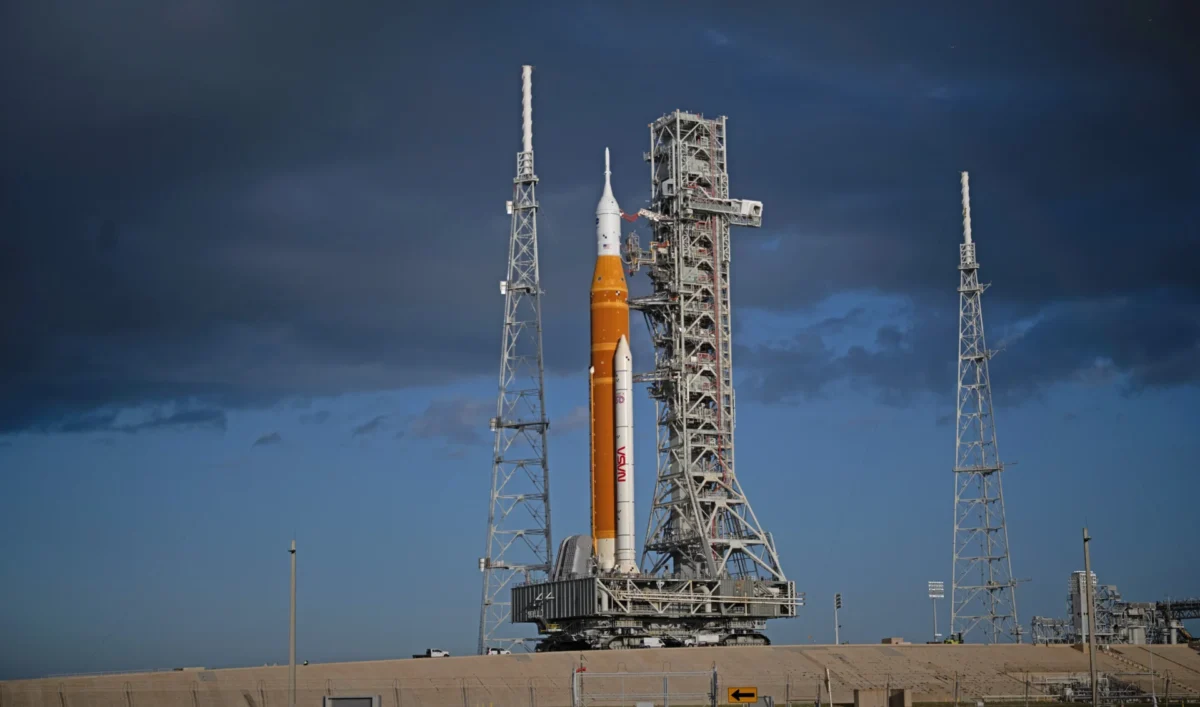
NASA’s Artemis II astronauts are go for launch, with the agency targeting April 1, 2026, at 18:24 local time for liftoff from Kennedy Space Center in Florida. The current launch window also includes launch opportunities on April 2, 3, 4, 5, and 6.
If the mission launches this week, the Artemis II crew will become the first humans in more than 50 years, since Apollo 17 in December 1972, to travel beyond low Earth orbit, loop around the Moon, and see its far side.
Here is a closer look at the mission by the numbers, from the size of the rocket and the distance of the flight to the cost of sending astronauts to the Moon and back:
Artemis II: By the Numbers
The Mission

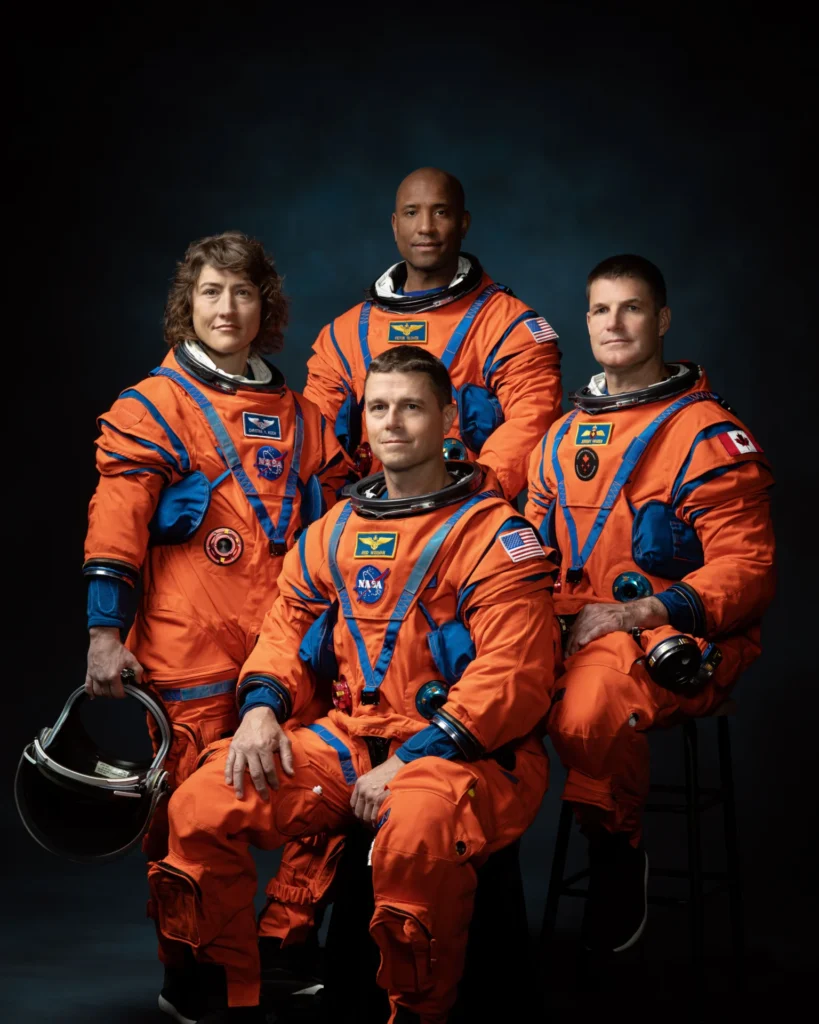
4 — Astronauts: Reid Wiseman, Victor Glover, Christina Koch, and Jeremy Hansen.
10 — Length of the mission in days.
238,855 — Average distance in miles from Earth to the Moon.
685,000 — Total miles traveled around the Moon and back.
21 — Days Orion is designed to support a crew of four.
Launch & Power
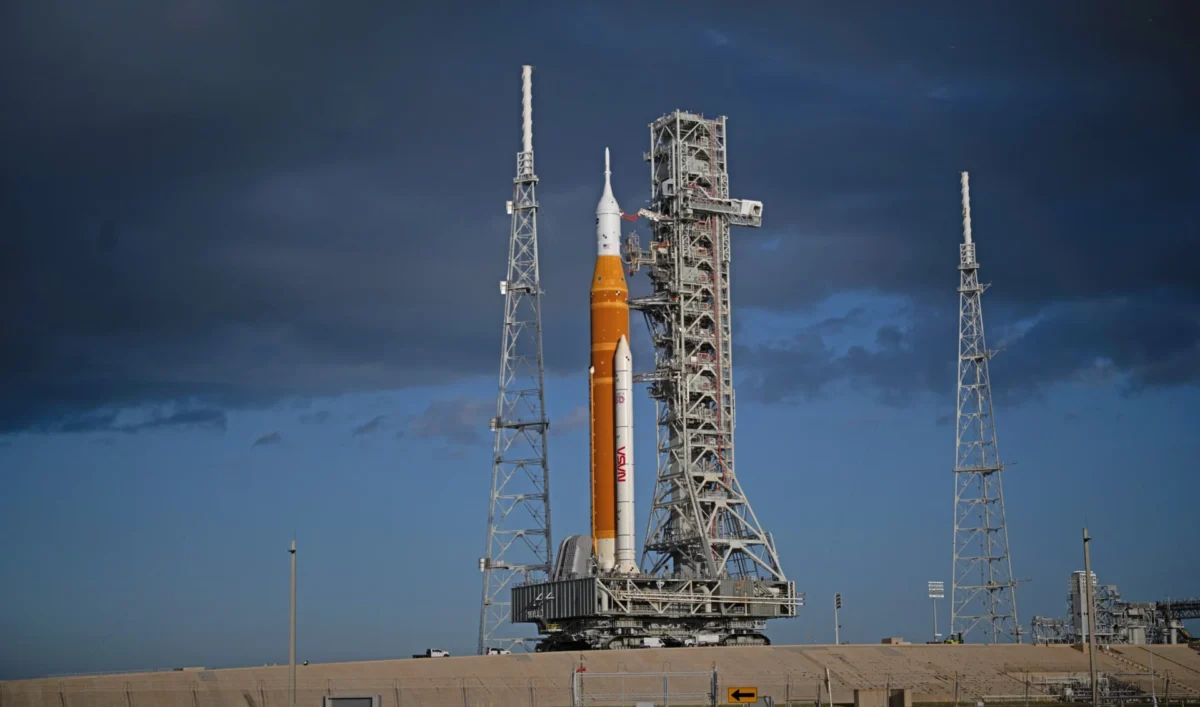
322 — Height in feet of the SLS-Orion stack on the launch pad.
5.75 Million — Liftoff weight in pounds of the full launch stack.
8.8 Million — Pounds of thrust generated at launch by the SLS.
730,000+ — Gallons of liquid hydrogen and oxygen loaded into the core stage.
19,000 — Pounds of usable steering propellant in the European Service Module (ESM).
33 — Total engines on the ESM (1 main, 8 auxiliary, 24 thrusters).
62 — Span in feet across Orion’s four solar array wings.
330 — Cubic feet of habitable space in the Orion cabin.
The Return

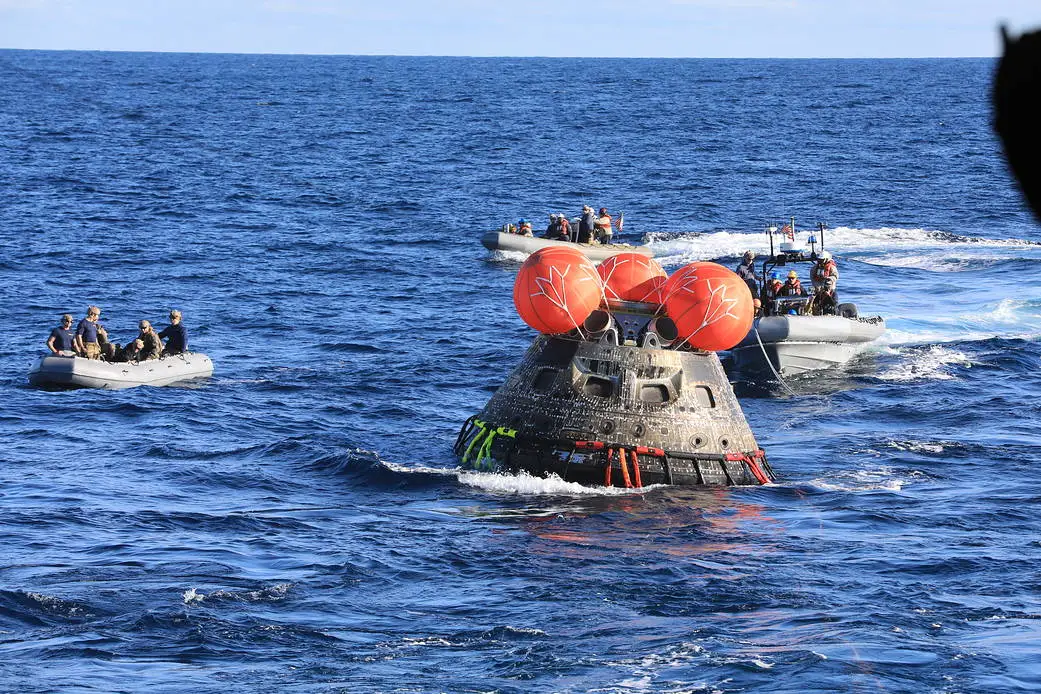
25,000 — Miles per hour Orion travels when hitting the atmosphere upon return.
11 — Parachutes used to slow the capsule for splashdown.
20 — Target splashdown speed in miles per hour or less.
The Bottom Line
$4.2 Billion — NASA OIG estimated cost per launch for the first four Artemis missions.

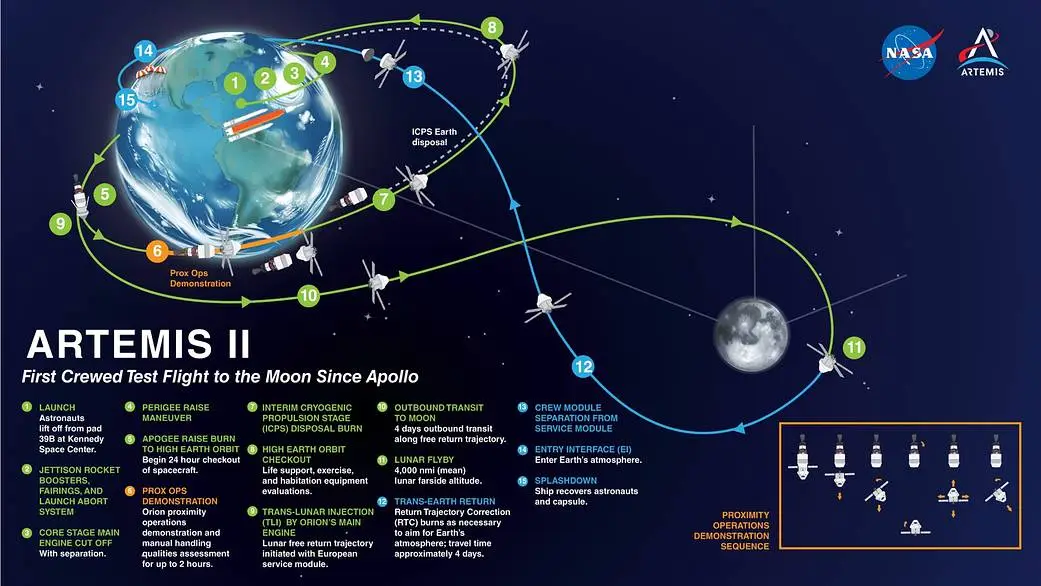
Artemis II will not land on the Moon, but it will be NASA’s first crewed lunar flyby of the Artemis era and the first crewed flight of both Orion and the Space Launch System. It is also set to send the first woman, the first Black astronaut, and the first Canadian beyond low Earth orbit.
As with any launch campaign, a delay remains possible. NASA had previously outlined March launch opportunities before the current target shifted to April 1.
If Artemis II flies successfully, Artemis III is now planned for 2027 as a low Earth orbit test mission for integrated lunar landing systems.
Artemis IV is the mission NASA is targeting for the first Artemis lunar landing in early 2028, followed by Artemis V in 2029 and Artemis VI in 2030 as the agency builds toward a steadier number of lunar missions.