
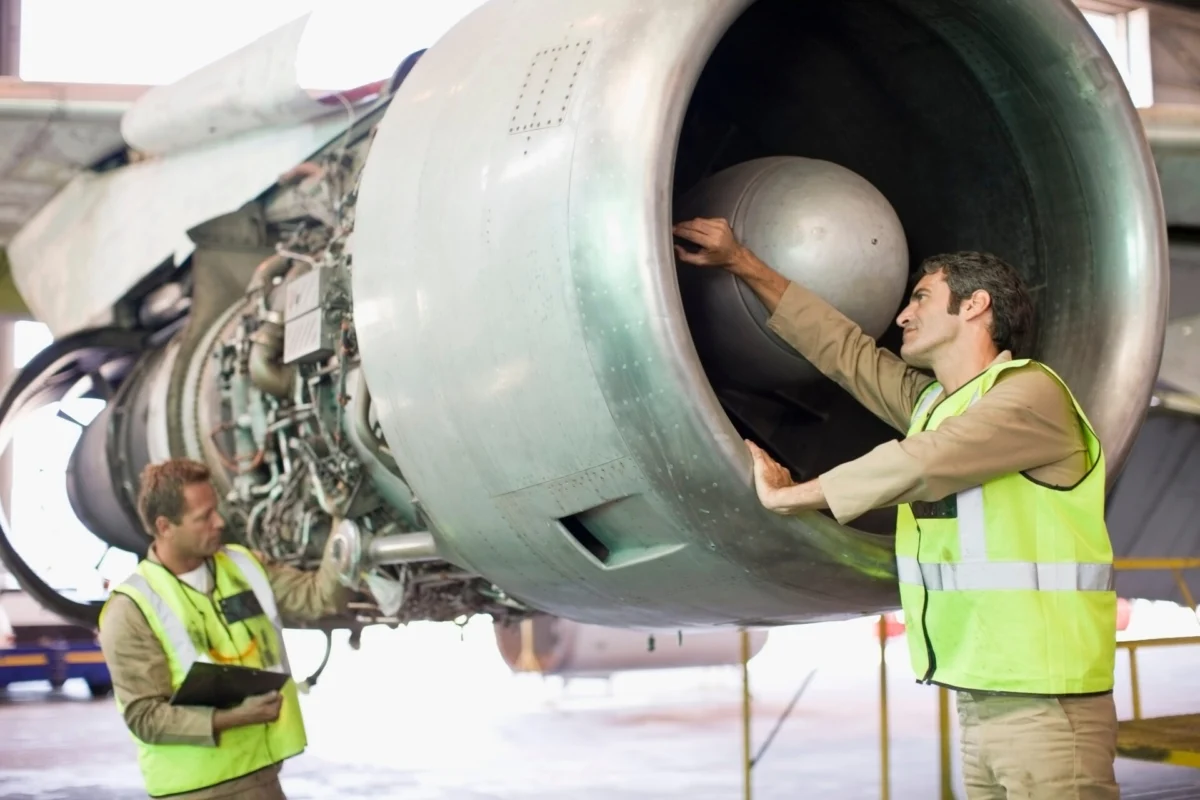
Today’s aviation industry is highly impacted by its supply chain crisis. What began as a temporary disruption evolved into a long-term structural challenge affecting every layer of the aviation supply chain. Global aircraft backlogs now exceed up to 14,000 aircraft combined between Airbus and Boeing, with delivery slots for some models stretching close to the next decade.
From aircraft delivery delays and engine shortages to maintenance bottlenecks and cross-border recruitment pressures, airlines and aerospace manufacturers are being forced to rethink how they operate, hire, and grow. As demand for air travel continues to recover faster than production capacity, aviation leaders are navigating an increasingly fragile ecosystem shaped by geopolitical instability, labor shortages, and rising operational costs that show little sign of easing.
Aviation supply chain pressure is reshaping global aviation

Recent years have not been kind to the aviation industry. It is well documented that the current aviation supply chain crisis has been impacting the industry for over four years, rooted in the 2020 COVID-19 pandemic. After persisting throughout the recovery period, the crisis shifted from an operational issue to a severe, long-term strategic one starting 2022 as travel demand returned and outpaced supply, creating multi-year backlogs for parts, engines, and aircraft.
Industry leaders now describe it as a structural threat to airline profitability, fleet expansion, operational resilience, and workforce planning. In fact, aircraft delivery delays, engine shortages, maintenance bottlenecks, and geopolitical instability are collectively costing airlines more than $11 billion annually. Airbus and Boeing have been headlining the news as they both continue to struggle with output recovery, while engine OEMs remain constrained by shortages in raw materials, skilled labour, and MRO capacity. Unsurprisingly, Airbus confirmed deliveries are expected to drop again in 2026 due largely to Pratt & Whitney engine supply delays.
Globally, capacity constraints have created uncertainty and added complexity to fleet planning, while also driving up costs for leasing, maintenance, and fuel consumption. The problems are naturally compounded with older aircraft. Another challenge is the quasi halt in progress toward sustainability goals, especially in reducing emissions and improving fuel efficiency; posing a serious challenge for an industry with ambitious climate targets. To wit, annual fuel-efficiency improvements, which had been around 2%, dropped to just 0.3% in 2025 and are expected to reach only 1% in 2026.
Aircraft delivery delays are extending fleet age across the aviation supply chain
The aviation supply chain disruption is most visible in delayed aircraft delivery schedules. In fact, more than 5,300 aircraft deliveries are currently missing compared to pre-pandemic production trends, while the global order backlog has surpassed 17,000 aircraft. Consequently, average leet age has risen to 15.1 years, over 5,000 aircraft remain in storage, and normal supply–demand balance is unlikely before 2031–2034. This delivery gap is forcing airlines to operate aging fleets longer than planned.
Lufthansa may be the most severely hit, as aircraft delivery delays are severely impacting their operations. Alarmingly, delivery delays are unlikely to ease before the end of the decade, CEO Carsten Spohr said in Stuttgart. Lufthansa has ordered 250 aircraft from Airbus and Boeing to modernise its fleet through 2029, but none are arriving on schedule. Adding pressure to its flight operations, around 100 of its 750 aircraft are currently grounded. While Airbus is cutting delivery forecasts for this year also, it is estimated that the shortage is costing the airline about $535 million annually.
Meanwhile, Airbus continues parking completed aircraft without engines because suppliers cannot keep pace with production demand. Airbus’ overwhelming reason for their aircraft delays is engines, and in particular LEAP engines. Installed at the final stage of assembly, any upstream delays create bottlenecks, leaving completed but engineless aircraft parked and awaiting completion. As a consequence, this ties up factory space, capital, and logistics resources, reducing overall efficiency.
A key bottleneck lies in forging critical engine components such as turbine disks and shafts, which must withstand extreme temperatures and pressures. These parts require advanced metallurgy and specialized high-capacity equipment. Airbus’ planned capacity expansions have been delayed until 2029, prolonging supply constraints, and effectively capping aircraft output despite strong global demand. A further consequence to expect are higher leasing rates, stronger demand for aftermarket parts, and increased valuation pressure on OEM suppliers capable of maintaining production stability.
Engine shortages and maintenance bottlenecks are driving operational risk
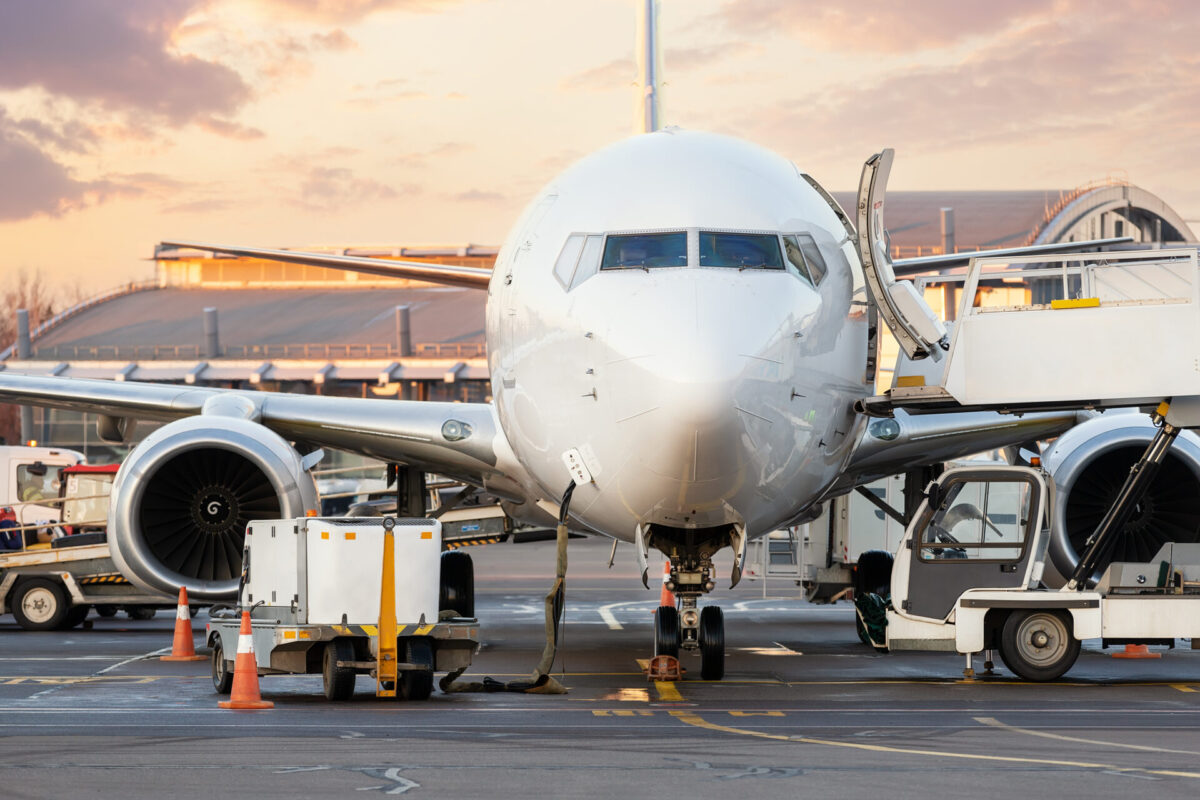
The modern aviation supply chain is increasingly constrained by severe engine shortages and expanding maintenance bottlenecks. A prime example is Pratt & Whitney’s GTF engine issues, which, alone, have grounded hundreds of Airbus A320neo aircraft globally.
After recently shutting down operations for good, Spirit Airlines is now dismantling its fleet and redistributing scarce engines into the wider market. Because much of its fleet is relatively young, recovering valuable components rather than selling complete aircraft is widely considered a smart move. Especially since it is expected to provide some relief to the tight global jet engine market with its all-Airbus A320neo fleet. However, the relief will most certainly be modest, since most of Spirit’s usable assets from its fleet will only enter the market gradually over several months, and the scale is not large enough to resolve the broader supply imbalance.
At the same time, MRO providers are struggling with overloaded maintenance pipelines. Generally, turnaround times for newer-generation engines have increased by roughly 150% compared to pre-pandemic norms. Operationally, airlines are responding by stockpiling spare components, extending engine lease contracts, and aggressively managing AOG (Aircraft on Ground) exposure.
Demand for spare parts is rising as older aircraft stay in service longer. OEMs dominate the aftermarket through restrictive contracts and technological advantages that make reverse engineering difficult. Furthermore, industry consolidation has reduced supplier competition, limiting independent maintenance, repair and overhaul options and raising costs for airlines.
Recent studies underline procurement inefficiencies, customs delays, and documentation verification as hidden causes of prolonged aircraft downtime. Meanwhile, engine manufacturers and lessors continue to face structural constraints, including repair bottlenecks and production delays.
Disruption and cross-border recruitment challenges


With further consideration, the aviation supply chain has evolved into a workforce and geopolitical challenge. In fact, skilled labour shortages is one of the industry’s largest structural risks, particularly within engine manufacturing, technical maintenance, and aerospace engineering.
At the same time, geopolitical tensions continue disrupting access to critical materials such as titanium, nickel, and aerospace-grade alloys. The continuing sanctions, trade barriers, and ongoing instability linked to Russia’s war in Ukraine continue to pressure aerospace sourcing networks globally. Trade tariffs and complex global production routes further disrupt supply and increase expenses. Overall, the aviation parts ecosystem remains fragile, exposed to geopolitical risks, labour shortages, and ongoing supply bottlenecks.
This environment is creating major cross-border recruitment challenges for aviation HR departments and international employers in aviation. Boeing is hiring about 100 factory workers per week, its fastest pace since 2024, as it replaces retirees and ramps up staffing for higher production and new aircraft models, according to a union leader. Its Pacific Northwest union workforce now exceeds 34,000 and continues to grow.
Airlines and MRO providers increasingly compete globally for licensed engineers, technicians, supply chain analysts, and compliance specialists. A prime example is Southwest Airlines, as it actively seeks more aircraft mechanics from the collapsed Spirit Airlines workforce to prepare for incoming Boeing 737 MAX 7 aircraft deliveries. The airline is increasing technical staffing to support overnight operations, maintenance resilience, and anticipated fleet expansion.
Aerviva CEO Mindaugas Rainys comments: “The aviation workforce crisis is no longer only about pilot shortages. Today, the real pressure is building across engineering, maintenance, and technical operations. Companies that fail to secure international talent pipelines early may soon face operational limitations, not because of aircraft availability, but because of missing people”.
Conclusion: Looking ahead
Clearly, the aviation supply chain crisis has become a strategic issue defining for airlines, manufacturers, MRO providers, and international employers across the aviation sector. Delivery delays, engine shortages, geopolitical disruptions, and technical labour gaps are reshaping fleet planning, operational resilience, and workforce strategies worldwide.
At the same time, rising maintenance costs and aging aircraft fleets continue placing additional pressure on profitability and sustainability targets. Moving forward, the best positioned operators for success will be investing in supply chain diversification, workforce mobility, predictive maintenance technologies, and long-term talent acquisition strategies capable of supporting aviation’s increasingly complex global operating environment.