
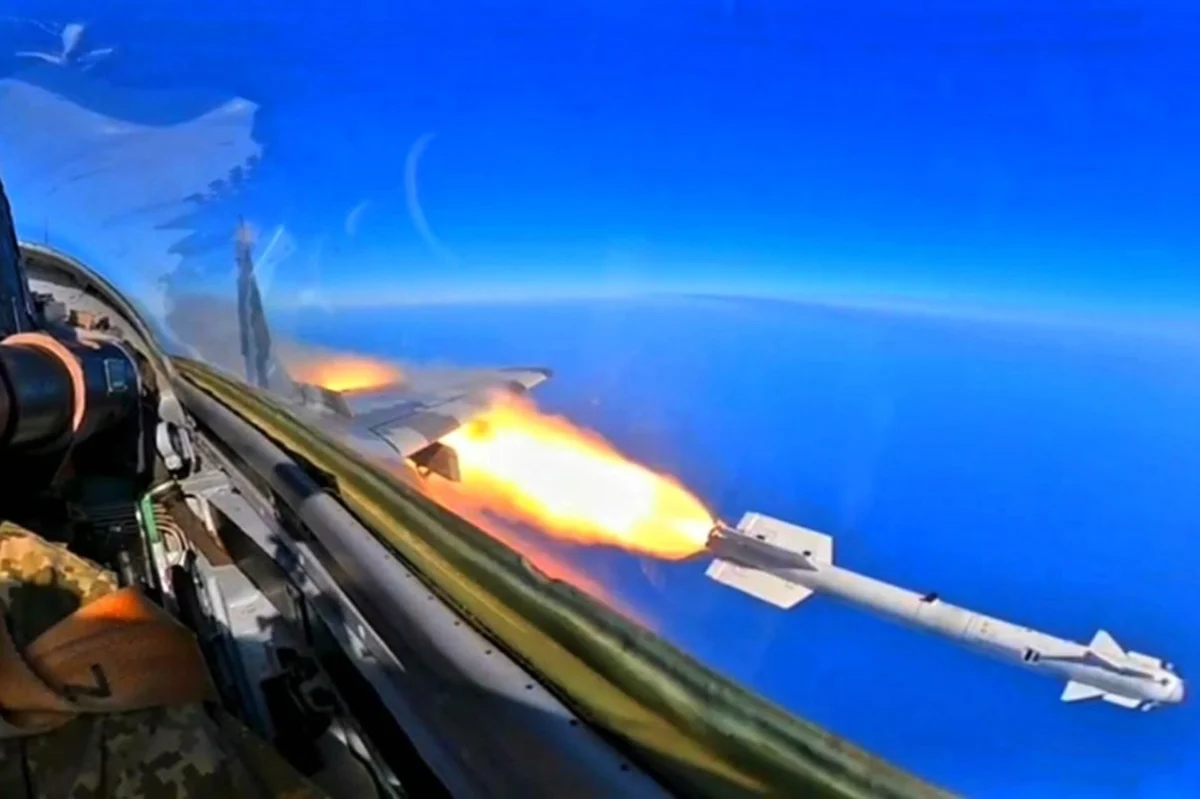
A Ukrainian Air Force MiG-29 was destroyed on the evening of August 10, 2026, after the fighter caught fire while launching an air-to-air missile over Odesa Oblast, southern Ukraine.
In a statement published on its Telegram channel, the Ukrainian Air Force said the pilot had been flying a mission to destroy Russian aerial targets over the region when the aircraft was lost. According to preliminary data, a “non-standard situation” occurred during the launch of an air-to-air missile, causing the aircraft to catch fire and the pilot to lose control.
The pilot attempted to save the aircraft before ejecting, the service said. He was recovered and evacuated to a medical facility. The causes of the incident are being established. Ukrainian MiG-29s use Soviet-designed R-73 infrared-guided and R-27R radar-guided air-to-air missiles, although the Ukrainian Air Force did not identify the weapon involved in the accident.
The crash is the fourth Ukrainian combat aircraft loss reported in under two months. On June 16, 2026, a Su-24M frontline bomber crashed in Khmelnytskyi Oblast, killing both crew members. Another MiG-29 was lost over Poltava Oblast on June 27, 2026, with the pilot ejecting safely. On July 29, 2026, an F-16 went down after an in-flight emergency during an intercept mission, its pilot also ejecting.
Ukraine has not disclosed the current size of its MiG-29 fleet. The Soviet-era airframes have been sustained since 2023 by aircraft and spares transferred from Poland and Slovakia, and adapted over the course of the war to carry Western munitions, including the US-made AGM-88 HARM anti-radiation missile. The type remains central to Ukrainian air defense, flying repeated intercept sorties against Russian cruise missiles and one-way attack drones targeting cities including Odesa.
Ukraine's Air Force confirmed the loss of a MiG-29 fighter during a combat mission against enemy aerial targets over Odesa Oblast on August 10. Preliminary information indicates an abnormal situation occurred during an air-launched missile firing, after which the aircraft caught… pic.twitter.com/UG78RAq9QL
— NOELREPORTS 🇪🇺 🇺🇦 (@NOELreports) August 10, 2026
Poland talks over 14 additional MiG-29s resume
Poland, which delivered 14 MiG-29s to Ukraine from April 2023 in the first transfer of combat aircraft by any NATO country, retains 14 more at Mińsk Mazowiecki, upgraded between 2011 and 2014 and in better condition than the ex-Czech and ex-German airframes it sent first.
Warsaw has negotiated their handover since December 2025 in exchange for Ukrainian drone technology. Defense Minister Władysław Kosiniak-Kamysz declared the arrangement dead on June 29, 2026, saying Kyiv had accepted it and then failed to deliver.
Talks have since resumed, and Deputy Defense Minister Magdalena Sobkowiak-Czarnecka said on July 31, 2026, that Ukraine had submitted a specific list of systems it could provide, with a decision due within weeks. Bulgaria has separately asked to buy the jets.
No immediate relief for Ukraine’s fighter fleet

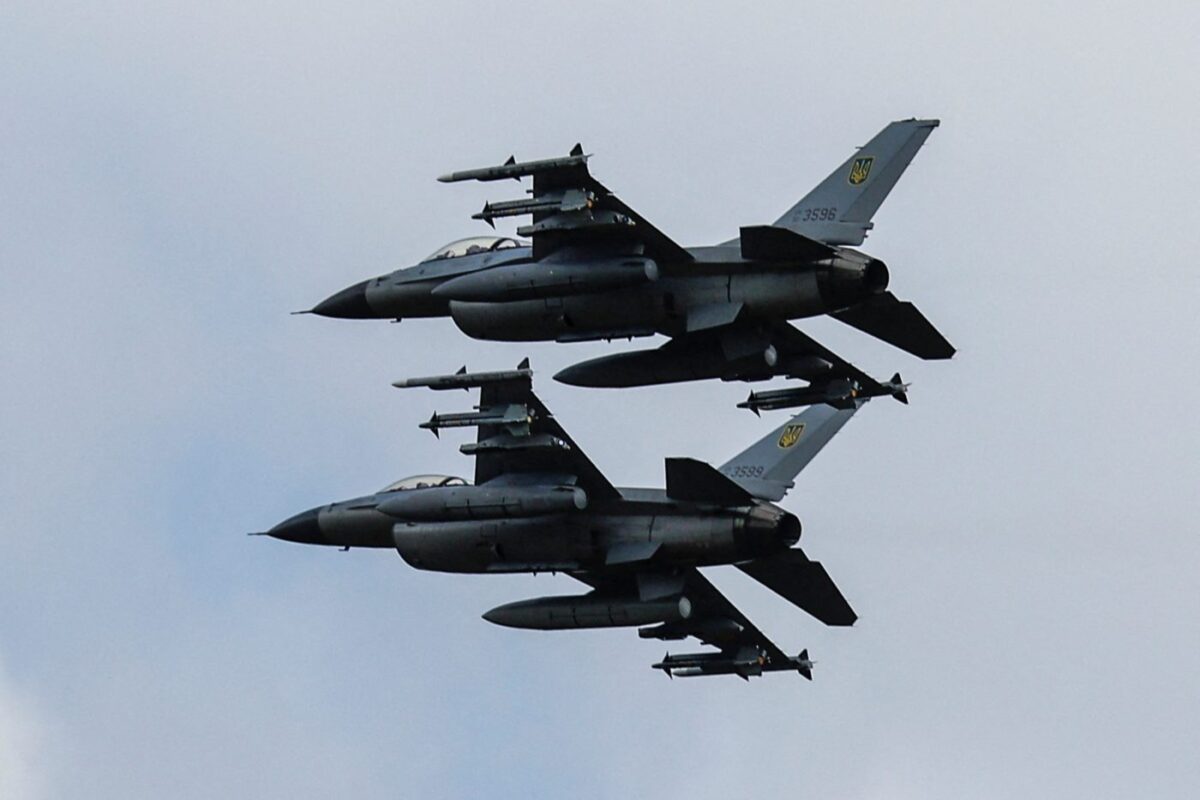
The Ukrainian Air Force has previously said it would need 120 to 130 F-16s to reach parity with Russian aviation, a figure far above the number of Western fighters delivered so far. Ukrainian F-16s, which have accounted for more than 1,000 aerial targets since entering combat in August 2024, and Mirage 2000-5s remain committed primarily to the same air defense mission the MiG-29 was flying when it was lost.
Long-term reinforcement plans are taking shape, but they offer no immediate relief to the aging aircraft now carrying much of Ukraine’s air defense burden.
Saab signed a contract with the Swedish Defence Materiel Administration on June 30, 2026, for 16 Gripen E fighters destined for Ukraine, worth approximately SEK 24.6 billion ($2.5 billion), with deliveries scheduled for 2029 and 2030. Sweden has separately committed to donate 16 used Gripen C/D aircraft, with transfers expected to begin in early 2027.
Paris and Kyiv followed on July 13, 2026, signing a bilateral defense roadmap covering an initial batch of 16 Dassault Rafale fighters for delivery in 2028 and 2029, alongside SAMP/T NG batteries, radars and production licenses for AASM, SCALP-EG and Aster munitions.
Both orders are opening tranches of much larger letters of intent, for up to 150 Gripen E signed in October 2025 and up to 100 Rafale signed in November 2025.