
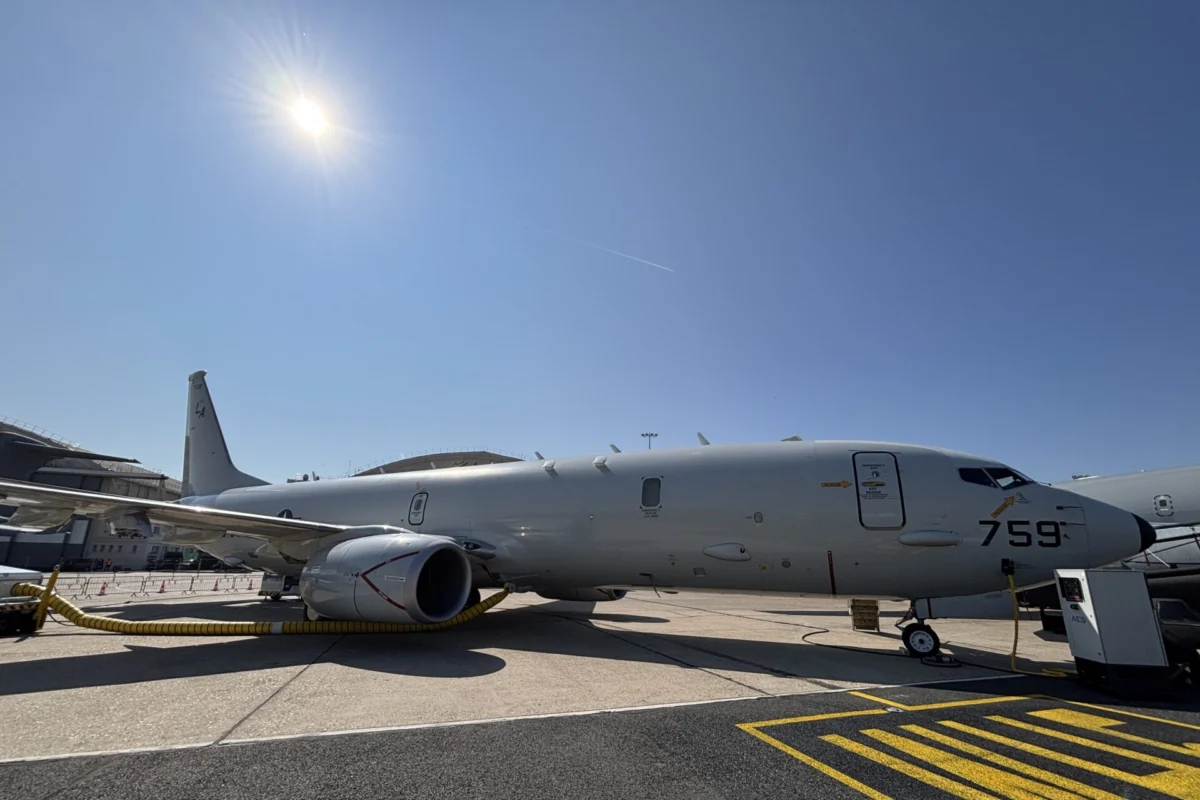
Denmark announced plans to acquire two Boeing P-8A Poseidon maritime patrol aircraft on July 7, 2026, in a decision aimed at strengthening “surveillance and sovereignty enforcement” in the Arctic and North Atlantic.
The announcement was made on the same day Denmark joined three other NATO allies in launching the purchase of up to five Northrop Grumman MQ-4C Triton uncrewed surveillance aircraft for the alliance.
Two Poseidons for the Arctic and North Atlantic
The Danish Ministry of Defense said a preliminary decision had been made to acquire two P-8A Poseidon aircraft, following a recommendation from the country’s Chief of Defence.
The acquisition falls under Sub-agreement 2 on the Arctic and North Atlantic of Denmark’s 2024-2033 defense agreement, which called for building a maritime patrol aircraft capability in cooperation with a NATO ally.

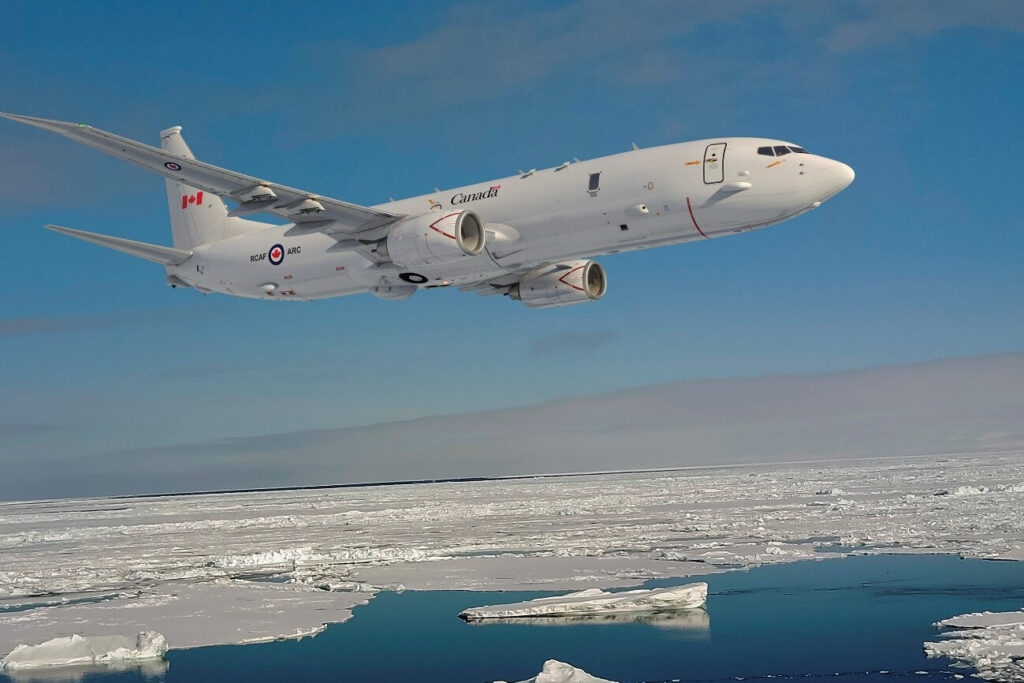
“With maritime patrol aircraft, Denmark’s ability to enforce sovereignty and conduct surveillance in the region is strengthened markedly,” Danish Defense Minister Jeppe Bruus said, adding that the purchase was “a clear signal that we take our shared task in NATO seriously.”
Chief of Defence General Michael Wiggers Hyldgaard said Denmark must be able to defend all parts of the kingdom, including the Arctic and North Atlantic, and pointed to the country’s obligation to deliver on NATO capability targets for anti-submarine warfare.
The Danish Defence Command has begun exploring cooperation options with NATO allies, which could include a joint unit based at a shared air station covering acquisition, implementation, operations, maintenance and training. Norway, which operates five P-8As from Evenes Air Station, is seen as the most natural partner.
The decision follows the US State Department’s approval, on December 29, 2025, of a possible sale of up to three P-8A Poseidons to Denmark in a package valued at an estimated $1.8 billion.
The P-8A, a militarized derivative of the Boeing 737-800, is equipped for anti-submarine and anti-surface warfare and can carry torpedoes, mines, depth charges and anti-ship missiles. It is operated by, among others, the US Navy, the United Kingdom, Norway, Australia and Germany.
Denmark also joins NATO Triton buy

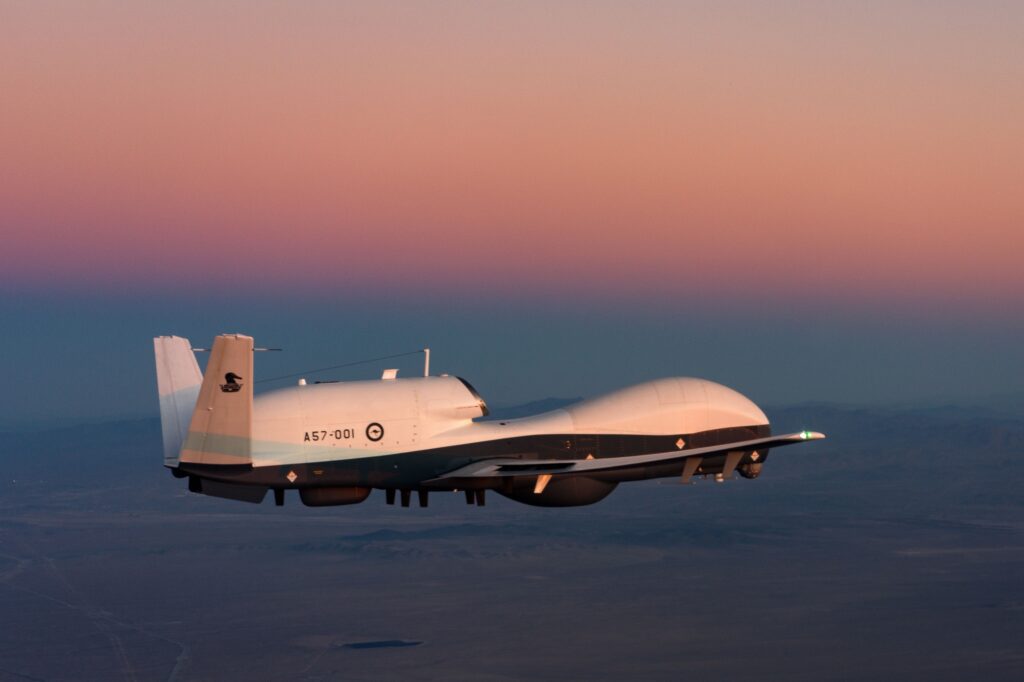
Denmark, Finland, Germany and Norway also announced the procurement of up to five MQ-4C Triton high-altitude, long-endurance uncrewed aircraft at the NATO Summit Defence Industry Forum in Ankara, Turkey.
The aircraft will enhance NATO’s own Intelligence, Surveillance and Reconnaissance (ISR) Force and complement the alliance’s existing Alliance Ground Surveillance (AGS) fleet of RQ-4D Phoenix drones, which operates from Sigonella Air Base in Italy.
Designed for maritime surveillance, the Triton can sustain 24-hour flights at altitudes above 15 kilometers. According to NATO, the type’s long-range sensors will improve the allies’ ability to detect threats early, protect sea lines of communication, and support operations in demanding regions such as the Arctic and the High North.
For Denmark, the Triton commitment complements the P-8A acquisition, as the two platforms were designed to operate as a team. The US Navy pairs the uncrewed aircraft with its Poseidon fleet under its Maritime Patrol and Reconnaissance Force, a model also adopted by Australia, which received its first Triton in 2024.
A transatlantic industrial consortium is being formed to deliver the capability. While Northrop Grumman will build the aircraft, Airbus Defence and Space and other European companies will provide the ground segment, data management services, command and control, infrastructure and mission support.
The two announcements came as NATO was also expected to confirm the selection of the Saab GlobalEye as the replacement for its E-3A Sentry AWACS fleet during the Ankara summit, held on July 7 and 8, 2026.