

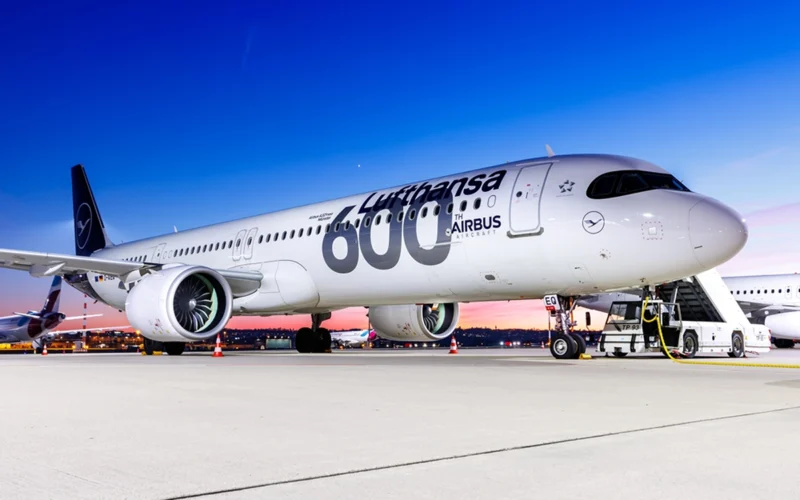
A report has come to light in the German media concerning a major flight safety issue that affected a Lufthansa flight from Germany to Spain in February 2024. The report published by the German news agency dpa sets out the sequence of events that led to a Lufthansa Airbus A321 flying for around ten minutes without any pilot actively at the controls of the aircraft before the situation was resolved.
According to dpa, which cited an incident report published by the Spanish aviation accident investigation authority, CIAIAC, the incident unfolded on a Lufthansa flight from Frankfurt-Main Airport (FRA) and heading to Seville (SVQ) on February 17, 2024. The flight was carrying 199 passengers and six crew at the time of the incident.
The investigation report states that with around 30 minutes left of the two-hour and 30-minute flight left to go, the 43-year-old captain left the flight deck for a toilet break. As is conventional, the cockpit door closed and locked behind them as they left, leaving the 38-year-old first officer at the controls of the A321 narrowbody. However, with the captain away from the flight deck, the first officer then fainted, effectively leaving no one flying the plane, although the autopilot would have been controlling the aircraft at this point.
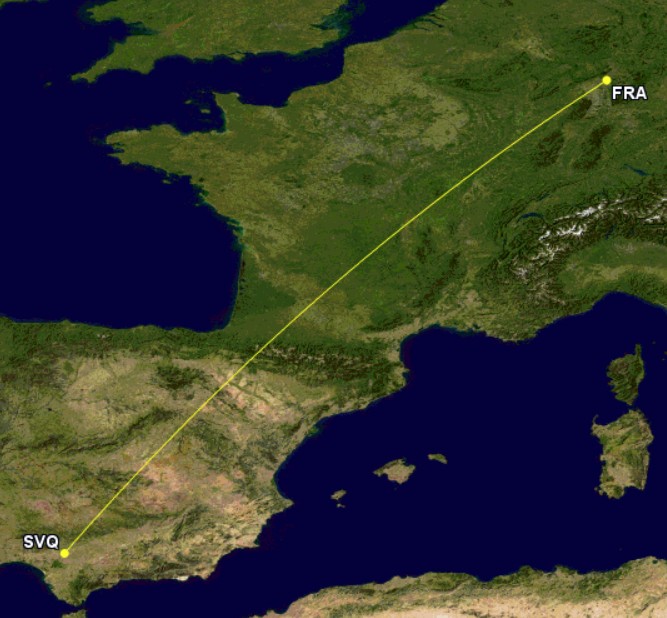
The aircraft flew for around ten minutes without a pilot in command of the plane, according to the report. Although the unconscious co-pilot was reported to have operated certain controls unintentionally during their incapacitation, the aircraft was able to continue flying in a stable manner with the autopilot still activated. During this period with the captain off the flight deck, the cockpit voice recorder recorded ‘strange noises’ in the cockpit that were consistent with an ‘acute health emergency’, dpa reported.
The captain initially tried to re-enter the flight deck with the regular door opening code, which triggers a short ‘buzzer-type’ audible alarm in the cockpit so that the co-pilot can open the door. However, despite trying this on five occasions, the door remained locked from the inside. These efforts were compounded by one of the cabin crew attempting to contact the co-pilot using the onboard telephone, but again, without success.
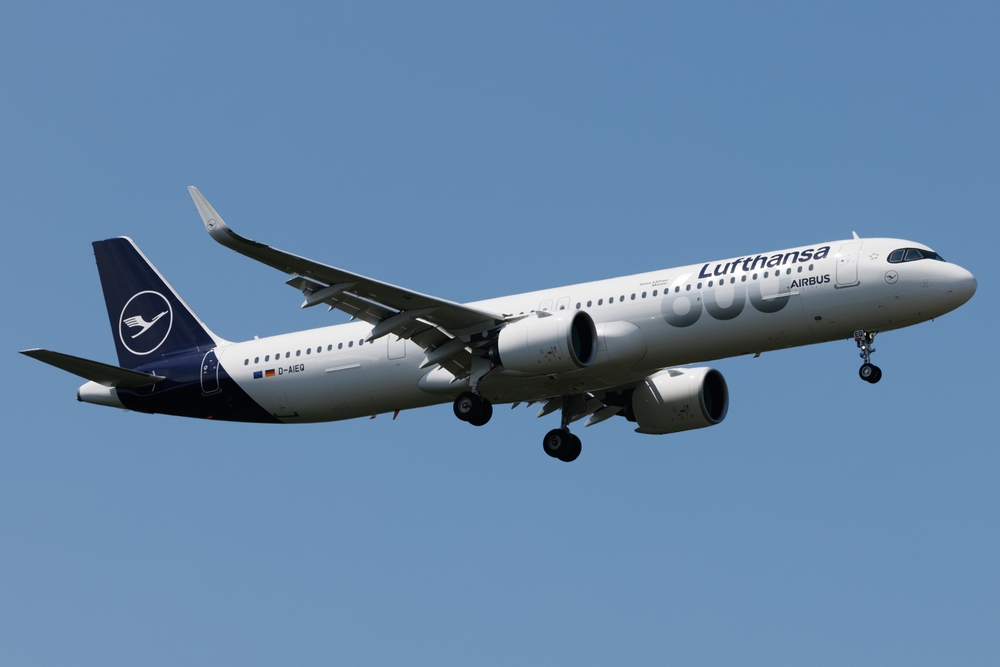
Finally, the captain typed in an emergency code that would have allowed him to open the door without the co-pilot’s intervention. However, shortly before the door would have opened automatically, the co-pilot opened it from the inside despite still being unwell but having regained consciousness, dpa reported. The captain, once safely back inside the cockpit and having assumed control of the aircraft, elected to divert and make an emergency landing in Madrid, where the co-pilot was taken to a local hospital.
The pilot said his co-pilot seemed “able and alert” when he left the cockpit with about 30 minutes remaining of the flight. Lufthansa told dpa in response to questions about the incident that it was aware of the investigation report and that its own flight safety department had also conducted an investigation. However, the airline declined to disclose the findings of its investigation.
Cockpit door safety
The incident once again shines a light on the ramifications of cockpit door security measures that were introduced after the 9/11 attacks in 2001. While the measures taken to arm cockpit doors have generally been accepted to be an effective security measure, there have been incidents where flight safety has been put at risk.
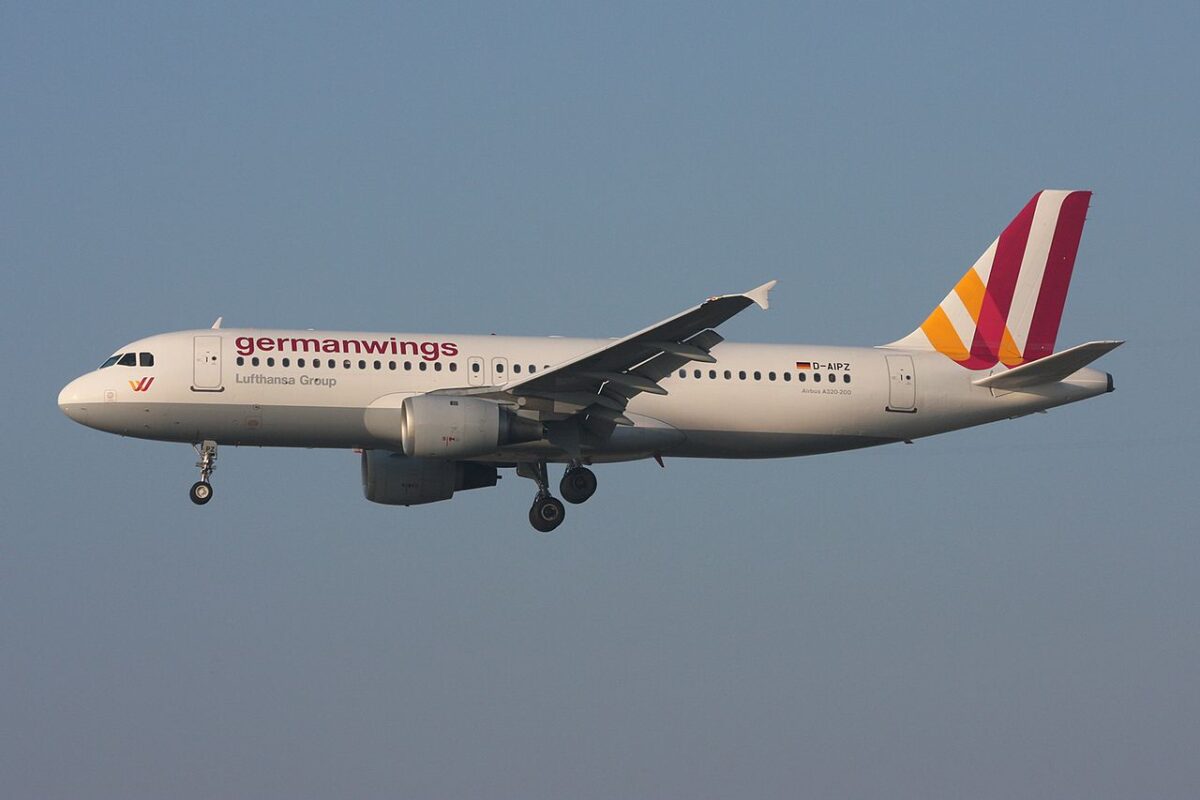
The best example of this was in March 2015, when the captain of a Germanwings (a subsidiary of Lufthansa) Airbus A320 left the cockpit mid-flight, leaving the co-pilot, Andreas Lubitz, flying the aircraft. However, refusing to re-open the cockpit door and locking it from the inside, Lubitz disabled the autopilot and crashed the aircraft into a mountainside in the French Alps, killing all 150 people onboard. Additional safety measures were adopted after that event, changing the way cockpit door locking mechanisms work.
7 comments
That’s why you put a Cabin Crew member in the flight deck when one goes to the toilet. Typically what I train. At least the Cabin Crew can open the Cockpit door if the other pilot becomes incapacitated. And this incident proves I’m right.
Reports of other incapacitation events appear to surface only after prolonged post event secrecy. Periodic deliberate, criminal violations of flight safety appear to surface more readily. Criminal deviations by pilots, particulary when the deviations, such as the Egypt Air, and German Wings suicide by pilot result in fatalities. Or the aborted attempt by a disgruntled UPS pilot riding in the jump seat to kill/incapacitate the crew then crash the plane. The bottom line here is these rare events where the cocpit door is deliberately locked so the second pilot is successfully denied re-intry to the flight deck opens up the possibility for a 9/11 2.0 event. IIn other words… the flight deck door could be easily compromised and the consequences could be catastrophic.
Apparently try the Europeans have learned nothing since the Germanwings episode? In the US we are required to have a flight attendant go to the flight deck to at a minimum allow the crew member to re access the flight deck should the remaining pilot become incapacitated. Should the FO have remained unconscious the Captain would not have been able to return to the cockpit and the result might have been fatal for all 199 people.
#Tom Falley. No, in case of a complete incapacitation, the emergency code typed by the captian on the door keypad, as he actually did as reported, would have opened the door automatically after 30 seconds. Much different if the crew member in the cockpit intentionally activates the automatic opening denial key (German Wings case). That’s why leaving a single pilot without a flight attended temporarily stationing in the cockpit is a violation of EASA rules.
I’m aware of that practice, of having a cabin crew member in the cockpit, while 1 pilot is absent therefrom, and did wonder why it had not been implemented, especially on a German flight, in view of the German Wings incident. Agreed, you are correct to teach that practice.
This faulty procedure (not requiring another flight crew member inside the cockpit when one pilot is exiting the cockpit) is a direct result of union ( Vereinigung Cockpit) overreach and no intervention by the carrier (management)!
At no given time should one pilot be left alone in the cockpit! This is for safety!!! If this particular pilot would have had a seizure and accidentally bumped the side stick ( disconnecting the autopilot), this incident might have turned into tragedy!
Lufthansa and their pilot union need to come to grips with reality! Egos out + safety in!!!
In 2002 having just completed my line training on the B744, I queried the ground engineer how or who carried out the functionality test of emergency code operation for the cockpit door that was manadated to be conducted every 24 hours by KAL maintenance department. Especially when the aircraft was transiting overseas destinations and where were the records of these tests kept. Nobody gave me a satisfactory response, therefore I started conducting these tests prior to every flight and on one occasion the test repeatedly failed. From then onwards I initiated a procedure to ensure that a FA was always seated in the flightdeck when one pilot exited the flightdeck. Upon leaving KAL, I followed this personal procedure in every airline.But in HKA, the management decided to object about my procedure, informing me that I was disrupting cabin services. I realised that the management was looking for excuses to terminate my contract and were looking for an excuse, as I was very vocal about regular violations of safety related issues and pressuring the crew to violate FDL. Luckily for me, the flights were generally of short duration and so I ensured that me and my copilot attended to our personal needs prior to pushback and requested the scheduler to give me cargo flights, which were not popular with the crew. Some politically oriented management will and do bully crew to follow their own procedures, irrespective of the possible consequences.