

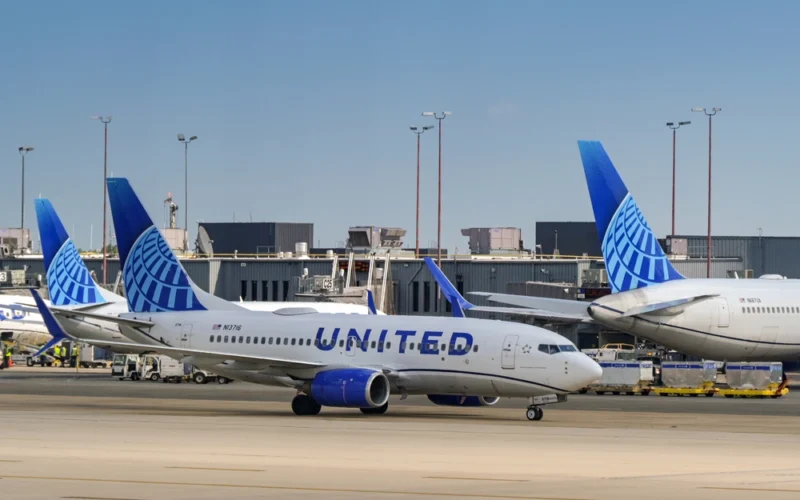
US majors United Airlines and Delta Air Lines are facing a barrage of legal claims that have been filed by claimant passengers who claim they paid additional fees to be seated next to a window, despite being seated in specific rows on specific aircraft types where no window exists. The claims, lodged by passengers in courts located in New York and San Francisco on August 19, 2025, claim that Delta and United breached the terms of the contract by allocating passengers seats that left them sitting next to a blank wall. This action did not meet the criteria for which they had paid nor expected, said court papers seen by Reuters.
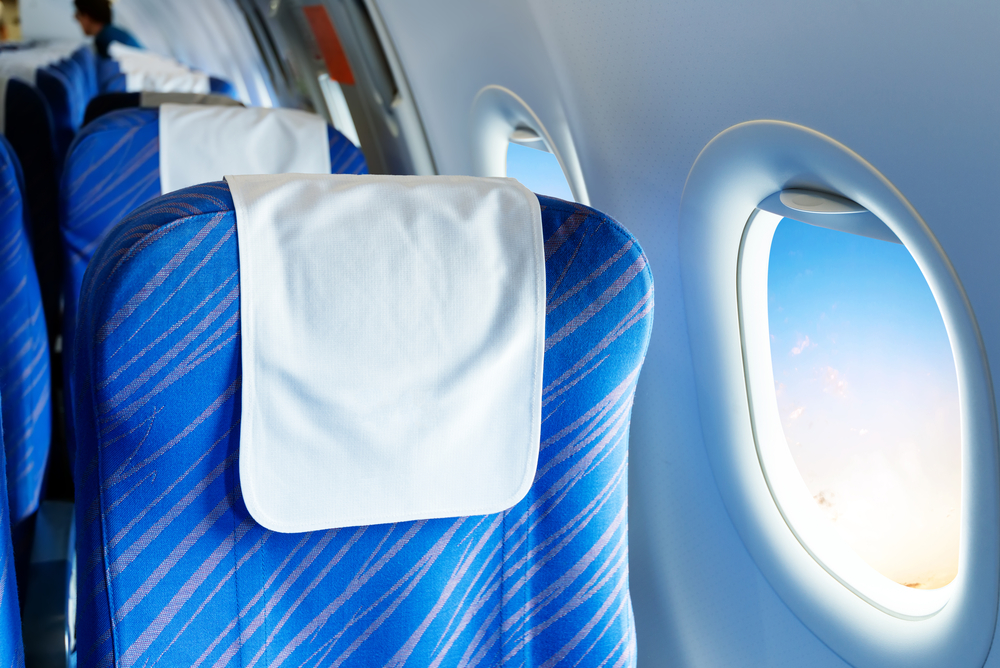
The proposed class actions that have been filed are seeking millions of dollars in damages for more than one million passengers who flew on the carriers. The passengers claim that the two companies failed to notify them that the seats were windowless during the booking process, even when charging a premium for them. The claims state that some variants of the carriers’ Boeing 737, Boeing 757, and Airbus A321 fleet of aircraft that are located adjacent to the cabin side wall, where you would expect to find a window, were discovered to be windowless upon boarding.
On these types of aircraft (as well as several others), the cabin window lines are interrupted by the existence of air conditioning riser ducts, window conduits, or electrical wiring embedded in the cabin wall, which makes placing a window there impossible for the manufacturers.
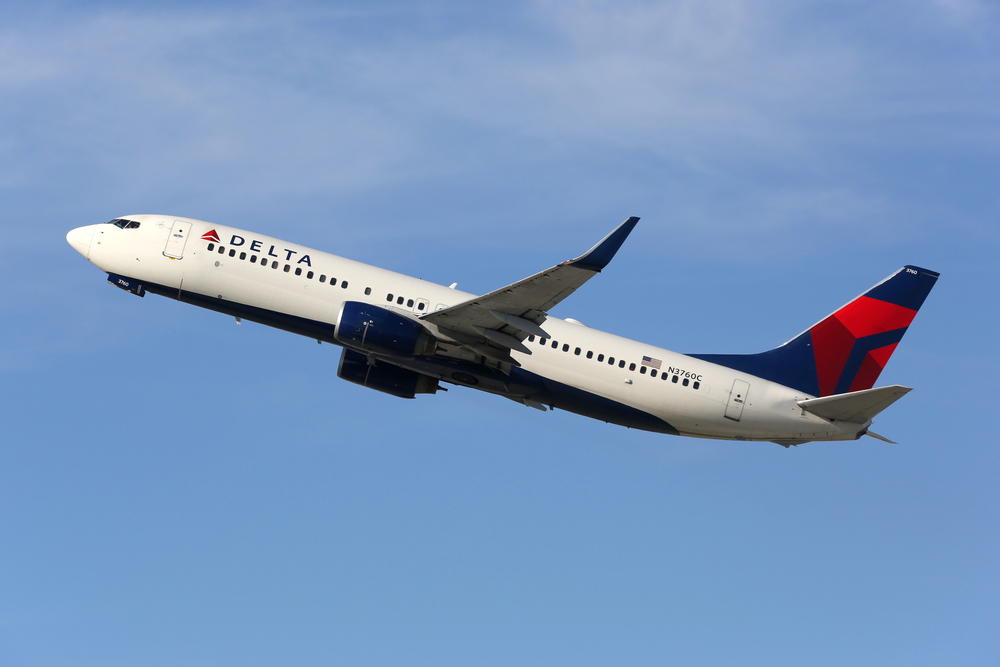
The claimants allege that, unlike carriers such as fellow US carriers American Airlines and Alaska Airlines, Delta and United do not flag these seats as ‘windowless’ during the booking process. This is despite the two offending airlines “charging tens, if not hundreds of dollars” in additional charges for passengers to reserve these seats in advance of travel. Indeed, both airlines describe every seat along the sides of their planes as a “window seat”, even when they know some are not next to a window, the court documents state.
According to Reuters, the lawsuits say people buy window seats for several reasons, including to address fear of flying or motion sickness, keep a child occupied, get extra light, or simply watch the world go by. “Had plaintiffs and the class members known that the seats they were purchasing were windowless, they would not have selected them, much less have paid extra,” the United claim states. The Delta complaint contained similar language.
Charging for window seats has become commonplace in today’s airline industry and constitutes an element of ancillary revenue that airlines seek to bolster revenues across their networks. Charging for items such as priority boarding, extra legroom seats, in-flight catering, WiFi, and seat selection allows airlines to keep fares competitive while empowering passengers to make their own decisions about their overall budget and travel experience.
Delta is based in Atlanta, while United is based in Chicago. Neither airline has responded to media requests for comment, stating that the matters are legal in nature and are part of ongoing proceedings.
Meanwhile, it is thought that both airlines are likely to defend the cases being brought against them by the claimants. Indeed, both may well point out in their defense or in mitigation that passengers can easily access websites that give detailed layouts of each aircraft type on each airline and recommendations about the amenities at each seat. Websites such as SeatGuru or Aero LOPA provide such services, which are free to access and easily available on any connected device.
5 comments
Seriously, nothing better to do? If they only knew that in some cases the ‘windowless’ area where they were sitting was actually the impact zone for an uncontained fan blade liberation (and why it is aluminium without a window for ~60cm) they might not whine about having control over a window shade! Notice no one is suing over the same ‘windowless’ seat on an ATR or Q400.
I agree. Sounds like people suing for way too much. If they did not get a window the first time, why keep selecting the same seat for flights thereafter? I hope the airlines win this one, but sadly, the cost to defend is going to be huge. I guess the airlines should blacklist the plaintiffs from flying their airlines in the future. Let these plaintiffs fly other airlines.
What’s in place of the window is not the issue, it’s being charged for a window seat when there is no window. I do agree a law suit is extreme, unnecessary, wasteful and speaks to the character of those participating, a simple request for refund due to services not rendered would suffice.
Air Canada should be included in this suit as well. The 2 most aft “windowless seats” on it’s 787-8’s business class section show a window seat on their seat map, of which they charge full freight (sometimes near $10K) for overseas legs. It’s claustrophobic and a complete rip-off. Blows my mind that Sky Trax consistently votes them North American airline of the year…. they absolutely don’t deserve this accolade.
The non-window, window seats are typically where the air conditioning tubes rise from the air conditioning cooling/heating system which is located in the aft section of the forward cargo compartment, under the the cabin floor. In Boeing narrow body aircraft, it is a single ‘riser’ on the left and right side of the cabin (behind the sidewall) that goes up the sidewall behind the overhead bins to supply air to the ventilation outlets at each seat (gaspers) and additional ventilation to the overhead center isle vent. You’ll notice them forward of the wing leading edges and it makes the ‘blank’ area between windows a bit wider at one location, throwing off the window seat to window alignment. Airbus use multiple small risers so there isn’t as noticeable of a windowless, window seat. Turbo props are a whole different reason – think prop ice shedding and where does it go…?