

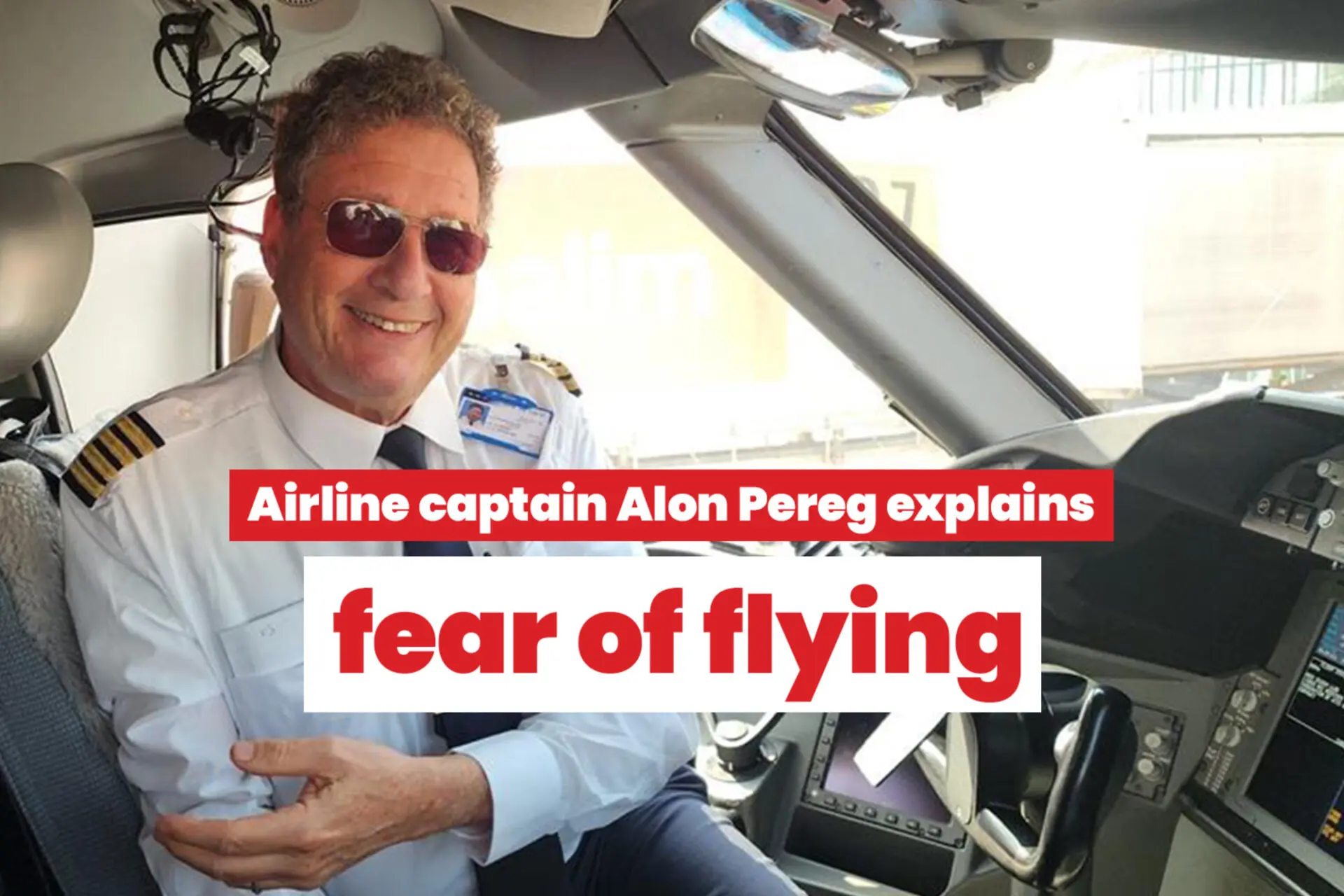
The fear of flying, also known as aviophobia, has been extensively studied for more than 30 years. However, as of 2025, comprehensive research into why it persists remains surprisingly rare. And while flying is among the safest modes of travel, the fear continues to affect a significant share of passengers worldwide.
The DSM-5 classifies aviophobia as a situational-specific phobia, often manifesting through inherited anxiety, traumatic flying experiences, or related phobias such as claustrophobia. According to existing studies, aviophobia may affect between 2.5% and 40% of individuals in industrialized countries.
To better understand why this fear persists, and to explore ways to overcome it, AeroTime spoke with Alon Pereg, an airline captain and flight instructor with over 40 years of experience flying military and commercial aircraft.
Having flown everything from A-4 Skyhawks and F-16s to El Al’s Boeing 737s, 747-100s, 747-400s, and 787 Dreamliners, Pereg brings a unique perspective on the phenomenon – and has even developed an app to help anxious travelers manage it.
Fear of flying remains overlooked
According to the International Air Transport Association (IATA) annual safety report for 2024, released in February 2025, five billion passengers traveled on over 40 million flights last year. The accident rate stood at 1.13 accidents per million sectors, with seven fatal accidents resulting in 244 onboard fatalities. The fatality risk was 0.06, meaning that on average, a person would need to fly daily for 16,000 years to experience a fatal accident.
For aviation professionals, these safety figures confirm that commercial air travel is among the safest forms of public transportation. This is why Pereg believes that most airlines and pilots do not really understand the magnitude of the fear of flying that passengers experience.
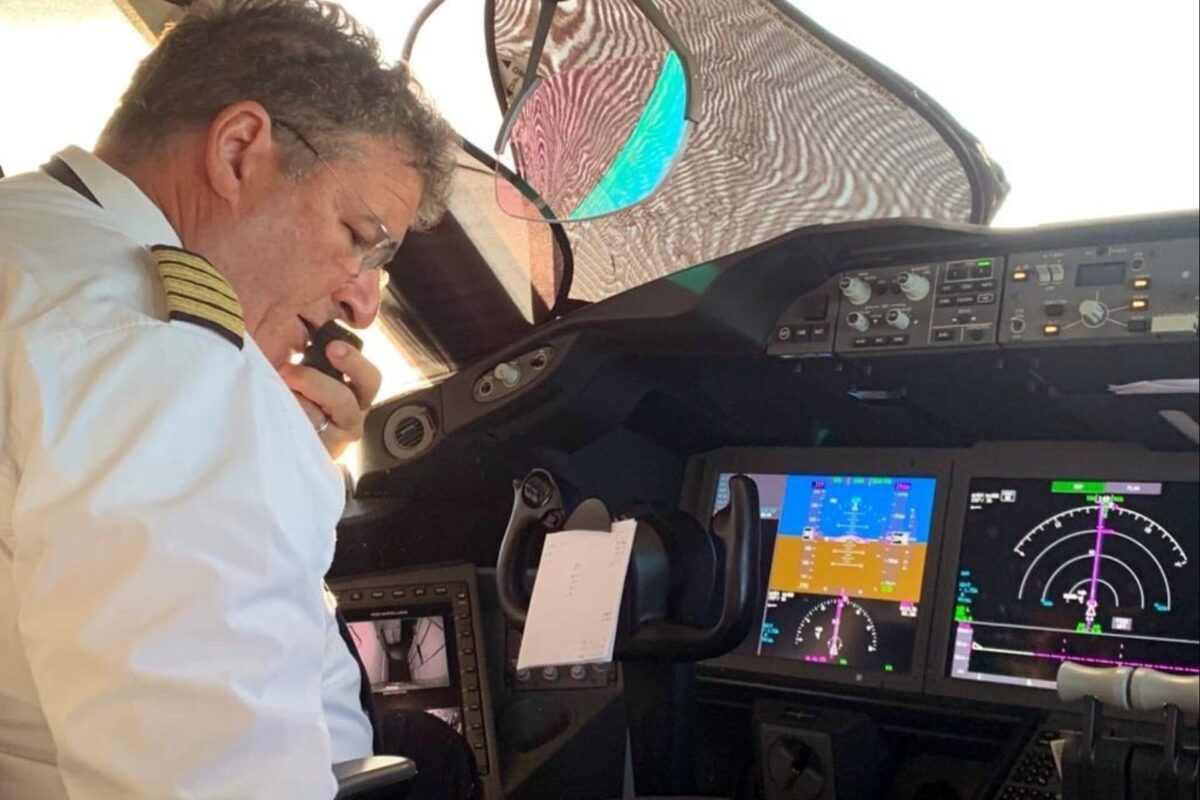
He admitted he was surprised to learn how many people remain genuinely afraid – even after spending more than 21,000 hours in the air himself, which is more than two years of nonstop flying.
“In the last nine years, I have seen, I think, thousands of people [experiencing this fear],” Pereg said. “Ever since I became an airline pilot, people have come to me with questions, fears, and requests for help, and ever since 2016, I started to really dive into this phenomenon.”
Types of fearful flyers
Although Pereg said he cannot describe one single pattern for fearful flyers, he did categorize them into three main groups.
The first group includes passengers who have gone through a traumatic flight, such as facing severe turbulence or being on a flight when an emergency was declared. Pereg said that even if the aircraft landed safely, the mind can create a lasting association between flying and danger.
The second group is made up of those who inherit their anxiety from others, most often parents, but also friends, partners, or spouses, absorbing fear from others rather than experiencing it directly.
The third group comprises people whose pre-existing anxieties show up while flying. Pereg said that claustrophobia is a frequent example: discomfort in tight spaces can evolve into a broader fear of flying, and other phobias may similarly attach themselves to the flying experience over time.
Why facts matter for anxious flyers
Pereg said that most passengers know, on some level, that flying is safe. However, the real issue is dealing with fear, especially in the aftermath of high-profile aviation accidents, which dominate media coverage and reinforce perceptions of risk.
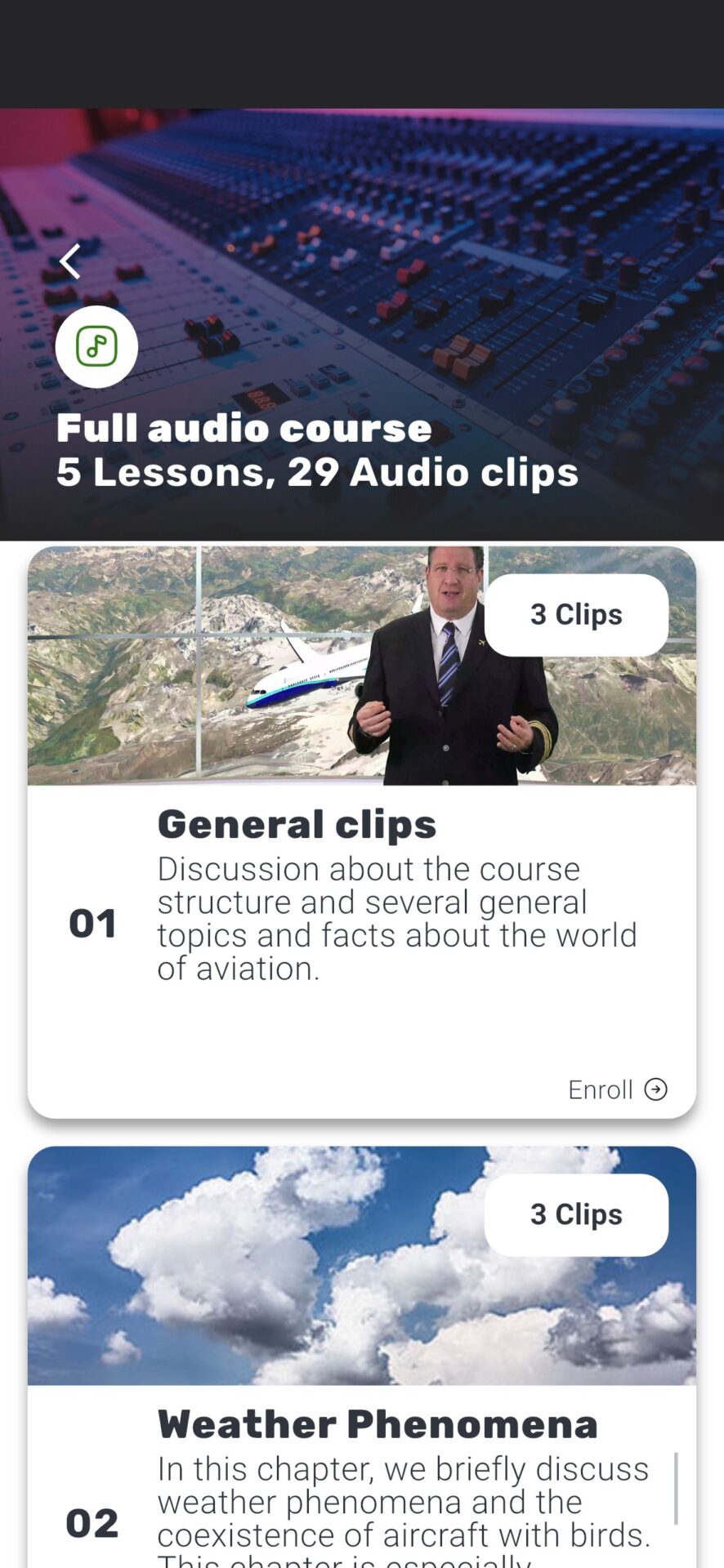
So how can we address these fears? According to Pereg, knowledge is the most powerful tool. This is why he created an app called SimpliFly in 2021, designed to offer travelers a better understanding of the flight process.
The app combines two features. The first is a video course that aims to clarify the mechanics of flight in simple, understandable terms. The second features several audio clips, some of which are informational while others are designed to help you relax.
“For example, one minute after the aircraft lifts off, in most flights, you can hear and feel a reduction in the thrust of the engines,” Pereg explained. “Many passengers might perceive this as a malfunction or a sign that something is wrong, but if you go through this course, then you will understand that the aircraft has to take off with double the thrust that is needed for takeoff.”
A third feature, an online chat with pilots, allowed users to pose questions directly for them. However, this feature has since been discontinued.



Practical steps to take beyond the app
In addition to SimpliFly, Pereg suggests that passengers learn mindset techniques.
Pereg pointed out that the first step in tackling a fear of flying is for travelers to understand and accept their fear. Fear is a natural mechanism, so being afraid of flying “makes sense”, the expert said.
“The whole secret of my program,” Pereg explained, “is helping passengers to understand that our main problem is that we try to avoid being in a state of fear, while the solution is to train our brain to be in that state.”
Alongside guidance offered through the app, Pereg stressed that brain training only works in practice. “You can prepare your mind, but real progress happens only when you face fear in the air, when you actually fly,” he said.
An industry blind spot?
Pereg believes that research into this phenomenon has lagged behind for years, and the aviation industry has yet to fully recognize “how widespread the fear of flying is”.
Looking ahead, Pereg predicts a future in which aircraft will operate without pilots. While this could one day make flying technically safer, he warns it might also take the fear of flying “to an extreme” level.
“Then the airlines and all the other participants in the aviation industry will start to understand this phenomenon and will tackle it,” he said. “Once that happens, all research and solutions will emerge – it will not take too long.”
1 comment
Seating such persons next to an”experienced, comfortable” flyer, who can, and is willing to, talk the nervous one through the flight, explaining what and why as it comes up, particularly if something out of the ordinary does occur, can also help. I had the experience of being seated beside such a flyer, coming out of a Chicago blizzard, on my way home from college for the Christmas holiday. I was last boarded a company pass, and that pilot had a “hole” in the storm, so was waiting for no one. He was at the hammerhead by the time I found the empty seat, and the gentleman in the aisle seat was already in full panic mode: ashy grey, diaphoretic, and rigid with terror. No one else even seemed to notice his distress. I asked if it was his 1st flight; it was. So I told him my Dad was a TWA pilot and for those planes regularly, and that I had flown many times as well, so would tell him that was going on and why, which I did, including the unusually early descent into JFK, and then the unexpected touch and go landing, both of which our pilot did explain, but only after I had assured my seatmate we were okay still. He looked much healthier when he exited the jetway than when I’d boarded the flight, and thanked me for helping him. The 150 knot tailwind out of O’Hare, and the slow poke clearing the runway at JFK were both 1sts for me too, but living with a pilot Dad, I knew such things did happen, and about the regular touch and go practice landings, and could assure my fellow traveler it was really okay, and why such things might happen, even before our pilot could explain. Even though I as a “kid” and the gentleman was at least twice my age, being able to have someone comfortable with flying, and the type of plane, even the weather issues, mad all the difference in the world for him.