

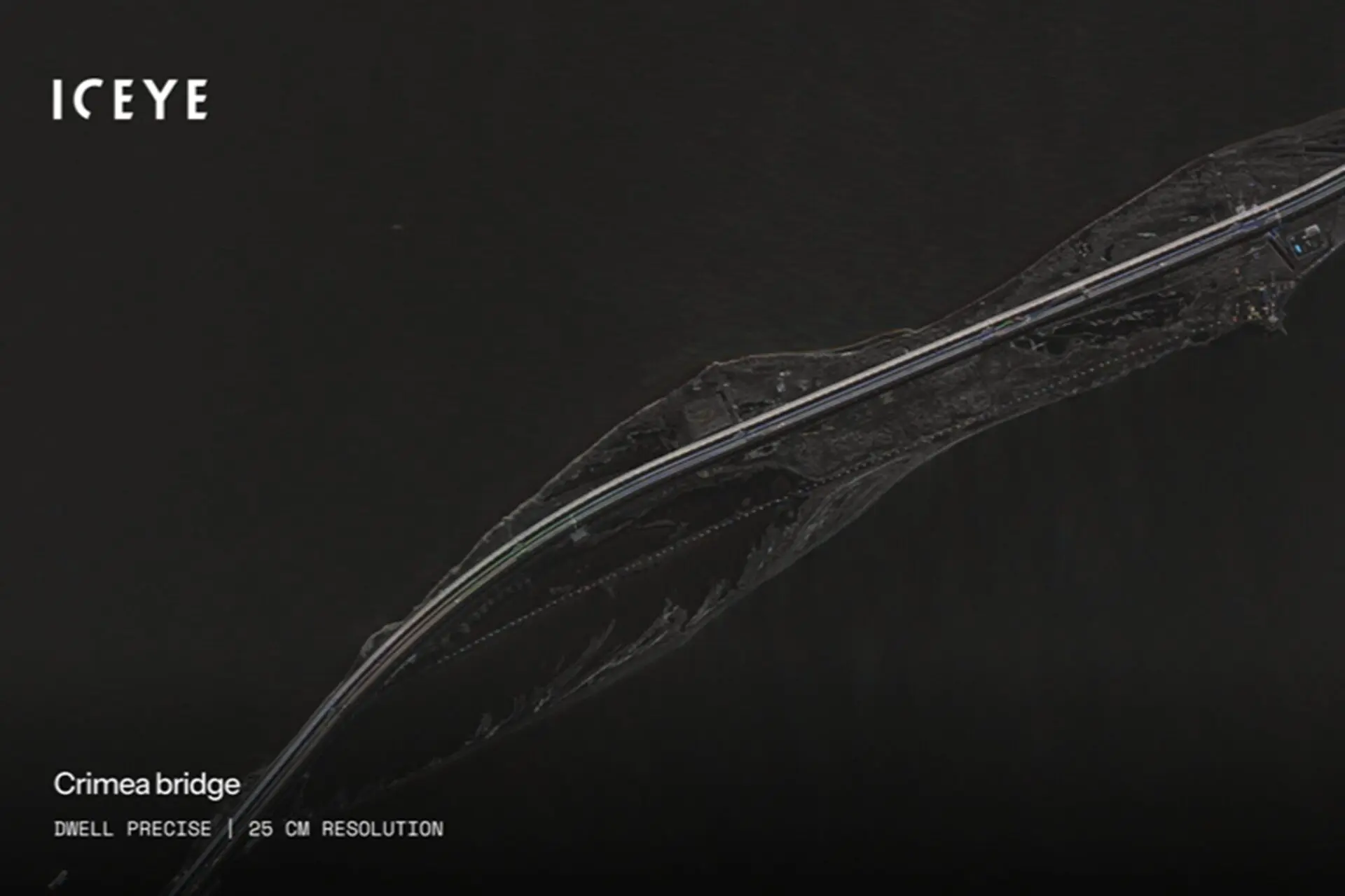
Ukraine has expanded its cooperation with Finnish synthetic aperture radar (SAR) satellite operator ICEYE under a new agreement that broadens a Ukrainian Ministry of Defence customer’s access to high-resolution radar imagery for day- and night-time tactical decision-making, the company said on January 19, 2026.
ICEYE said the deal will sustain a high volume of satellite imagery from its SAR constellation, providing the Ukrainian Armed Forces with persistent situational awareness at operational tempo. The company argues that space-based intelligence has shifted from a strategic planning asset to an input for battlefield decisions on compressed timelines, with data required “when minutes matter.”
SAR constellation and imaging capabilities
The agreement builds on ICEYE’s support for Ukraine since 2022, when the company first enabled Kyiv to access SAR imagery capable of penetrating cloud cover, smoke, and darkness. SAR collection has become an important complement to optical imagery in Ukraine, where winter conditions and smoke from artillery often degrade traditional sensors.
ICEYE operates what it describes as the world’s largest SAR constellation, with imagery resolutions reportedly as fine as 16 centimeters depending on collection mode, and wide-area products covering up to 200 by 300 kilometers. The company said its electronic beam-steering technology enables multiple high-resolution scenes to be captured within minutes, supporting rapid retasking and change detection.
Artificial intelligence push and European strategic autonomy
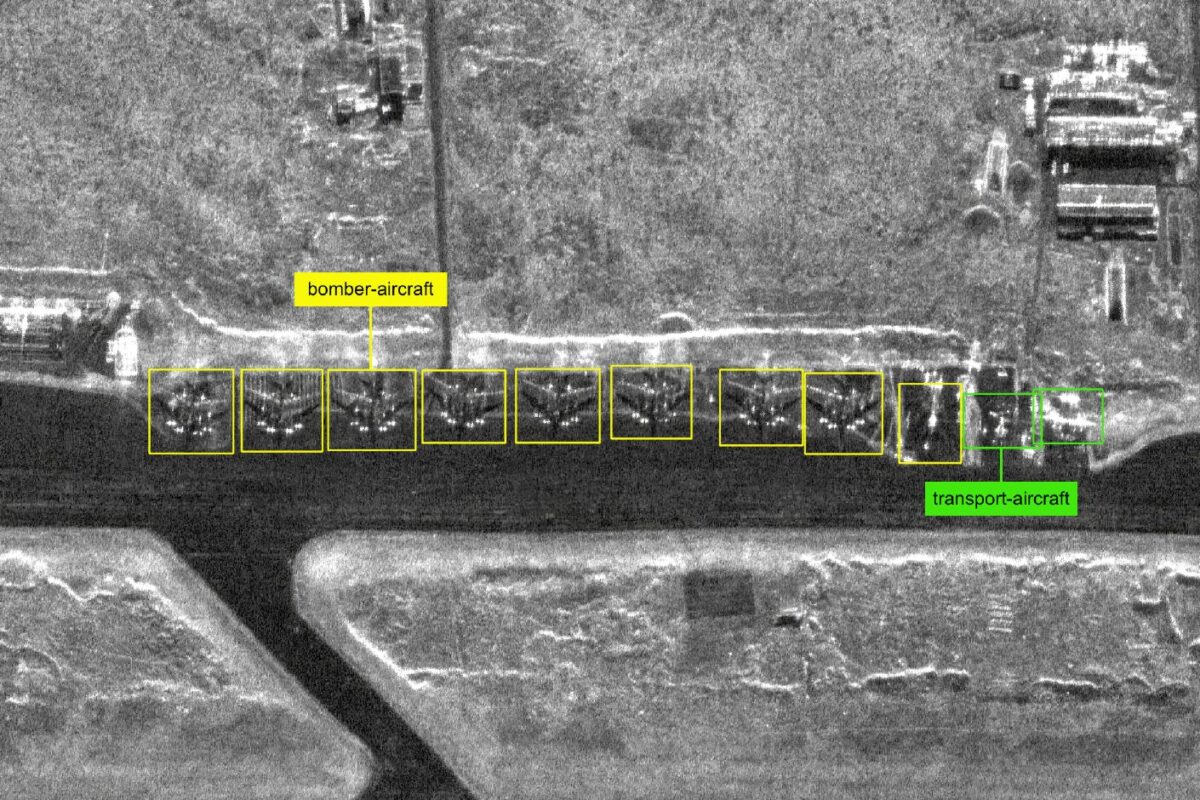
The development fits within a wider European effort to strengthen defense-relevant space intelligence and shorten processing timelines between collection and action. In 2025, ICEYE partnered with French group Safran.AI to apply artificial intelligence to SAR and optical data, including for Ukrainian military intelligence. The approach aims to reduce latency between satellite tasking, image capture, and operational decisions, reflecting how space intelligence is being pushed down to the tactical layer in active conflict.
European governments also increased their own contributions to Ukraine’s intelligence picture, partly to reduce dependence on US support. When US intelligence sharing was briefly frozen in March 2025, then-defense minister Sébastien Lecornu said Paris would step up its use of France’s sovereign space assets and military intelligence channels to prevent disruption in support of Ukraine.
In his New Year address to the French armed forces on January 15, 2025, President Emmanuel Macron claimed France now provides Kyiv with “two-thirds of its intelligence capabilities,” framing the effort as both support for Ukraine and a demonstration of European strategic autonomy.
1 comment
I am glad Ukraine is receiving help while USA is trying to get ukraine, Iceland and Greenland . trump has no way going to keep it. Giving it to Russia a,good,way to threaten the countries in the area