

Boeing has reported its first full-year net profit since 2018, helped by major asset sales and a sharp increase in commercial aircraft deliveries, marking a significant financial comeback after years of losses linked to the 737 MAX crisis and pandemic disruption.
The US aerospace manufacturer posted on January 27, 2026, a net profit of $2.24 billion for 2025, compared with a net loss of $11.83 billion in 2024. Fourth-quarter net earnings reached $8.22 billion, a sharp reversal from a $3.86 billion loss recorded in the same period a year earlier.
Asset sales drive bottom line
The return to profitability was largely driven by a $9.6 billion gain from the partial sale of Boeing’s Digital Aviation Solutions business to Thoma Bravo, which significantly boosted fourth-quarter results.
Revenue for the fourth quarter rose to $23.9 billion, up from $15.2 billion a year earlier, while full-year revenue increased 34% to $89.5 billion, thanks to improved delivery performance across commercial programs.
Commercial aircraft deliveries rebound
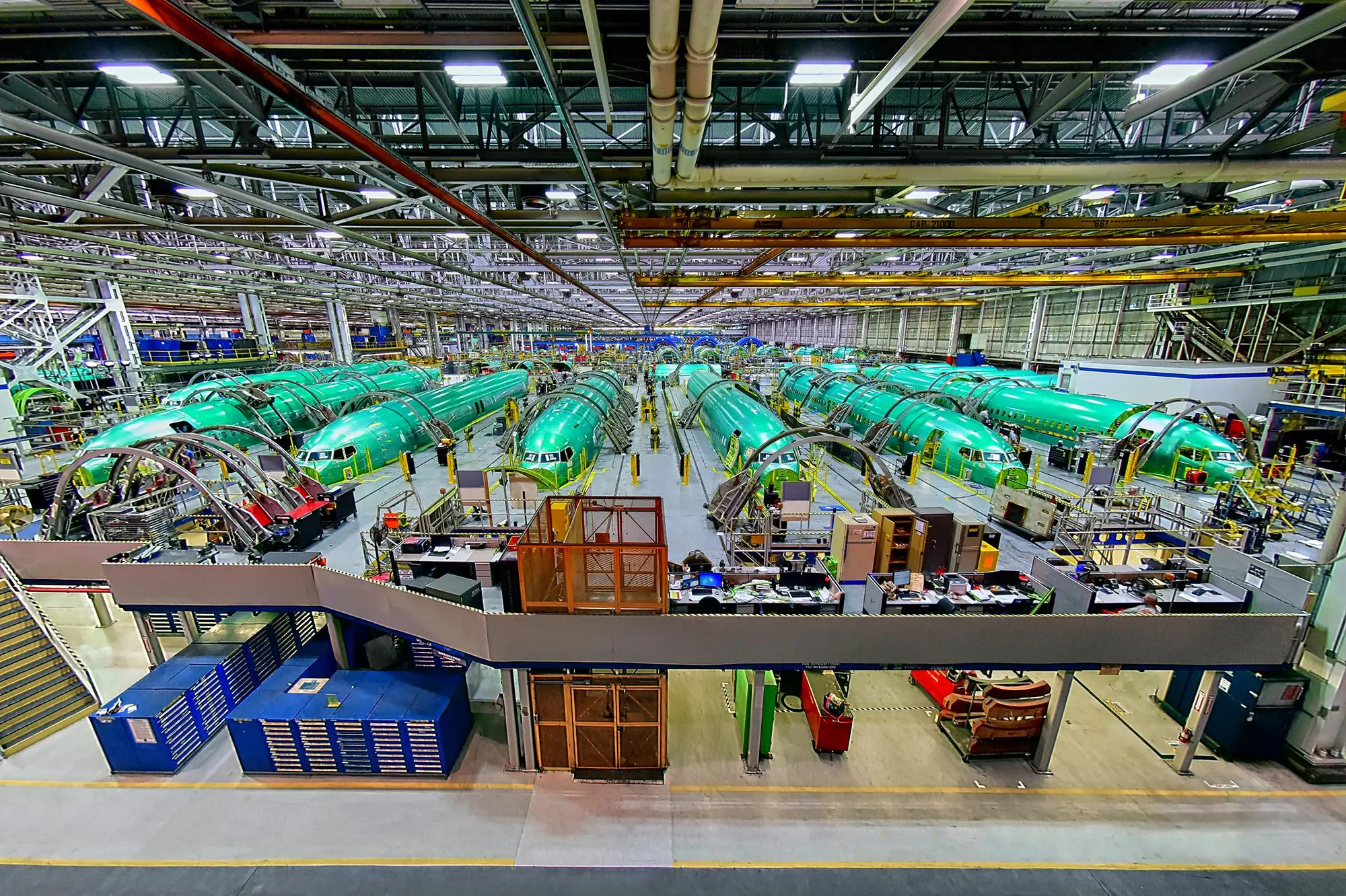
Boeing delivered 600 commercial aircraft in 2025, its highest annual total since 2018. Deliveries were led by the Boeing 737 MAX family, supported by a more stable production environment compared with previous years.
The company said its total backlog stood at $682 billion at the end of 2025, including more than 6,100 commercial aircraft, underscoring sustained airline demand despite supply-chain bottlenecks and certification delays affecting parts of Boeing’s portfolio.
Cash flow improves, challenges remain
Operating cash flow turned positive, reaching $1.3 billion in the fourth quarter and approximately $1.1 billion for the full year. Boeing ended 2025 with $29.4 billion in cash and marketable securities, strengthened by proceeds from asset sales.
While Boeing’s return to annual profitability marks an important symbolic milestone, the company’s recovery remains uneven on the operational and regulatory front. Certification of the 737 MAX 7 and MAX 10 variants remains pending due to unresolved technical issues. The 777X program continues to face delays as well, with certification now expected later than previously planned, extending a development timeline that has already stretched well beyond initial targets.
At the same time, Boeing’s production ramp-up remains tightly managed under enhanced FAA oversight. Although the manufacturer is authorized to build up to 42 737 MAX aircraft per month, actual output increases have been gradual, reflecting quality controls, workforce stabilization, and persistent supply-chain bottlenecks. These constraints continue to limit delivery momentum, even as demand remains strong.