

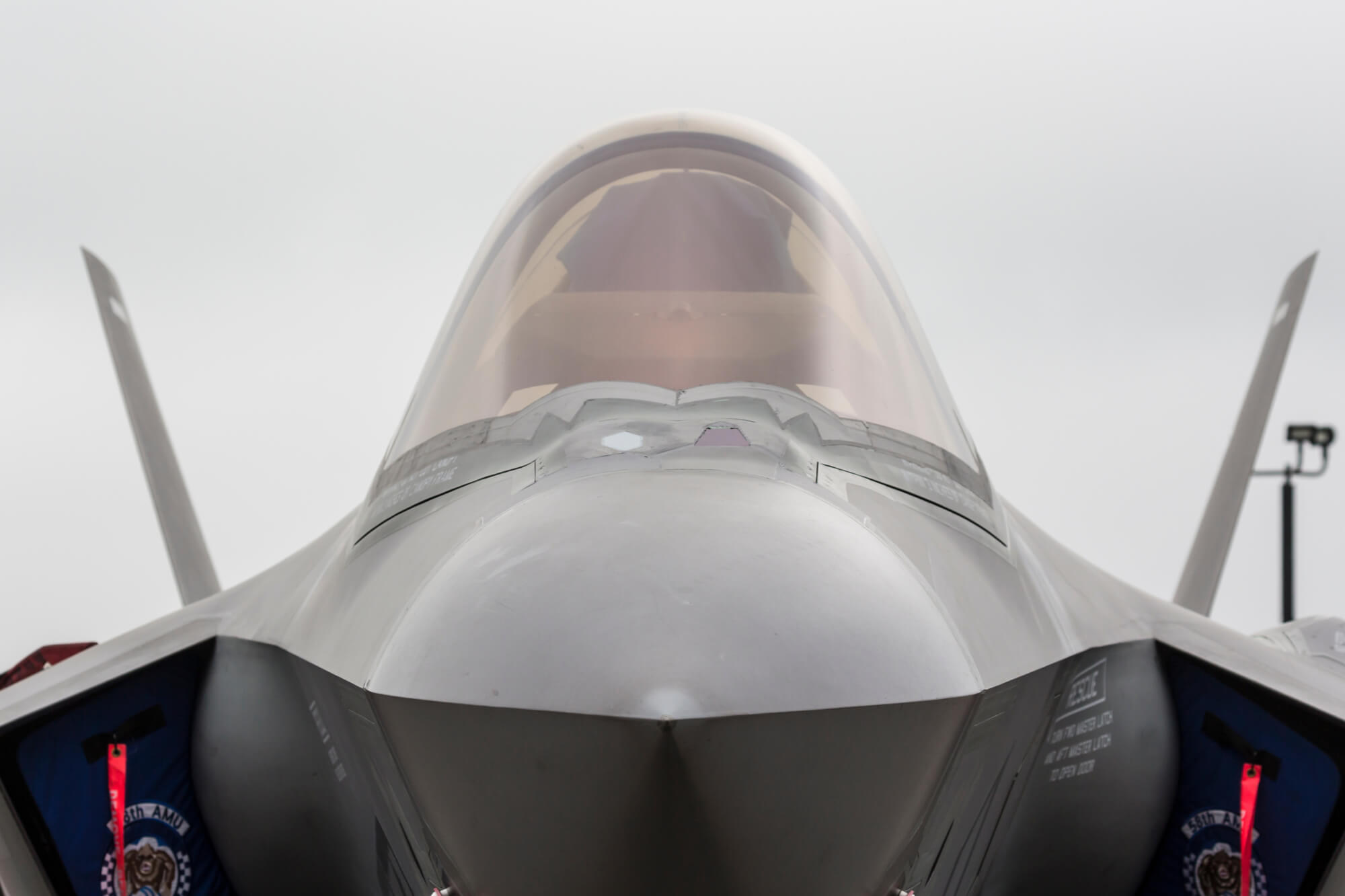
Lockheed Martin has flight tested an AI-enhanced Combat Identification (Combat ID) capability on an F-35, in what the company describes as the first in-flight use of a tactical AI model to generate an independent combat identification cue on the pilot’s display.
The capability was integrated into the F-35’s information fusion system and demonstrated during a test flight, called Project Overwatch, at Nellis Air Force Base, Nevada.
Lockheed Martin said it used an AI/machine learning model to resolve identification ambiguities among emitters, aiming to improve situational awareness and reduce pilot decision-making latency. The company describes the AI function as augmenting threat understanding inside the jet’s mission system.
It emphasized the speed of the update loop around the model. The company said engineers used an automated tool to label newly observed emitters, retrain the AI model to learn a new emitter class within minutes, and reload the updated model for the next flight, all within the same mission planning cycle.
“Equally important is our ability to re‑program the AI model on the ground and have those updates available for the next sortie—an essential step toward maintaining a tactical edge in a rapidly evolving threat environment,” said Jake Wertz, vice president of F‑35 Combat Systems at Lockheed Martin Aeronautics.
F-35 operators rely heavily on mission data and threat libraries to classify radar and other electromagnetic emissions, and rapidly adapting to unfamiliar or modified emitter behavior has become a recurring challenge in contested environments.
AI-driven software modernization push
Lockheed Martin linked the F-35 work to broader software modernization efforts, including real-time over-the-air updates for the Aegis combat system on deployed US Navy ships in the Red Sea. The company framed Project Overwatch as part of a wider push to apply AI and software iteration methods across its defense portfolio.
Lockheed Martin’s Project Overwatch test also fits a broader trend of applying AI to frontline combat workflows, for example, Thales’ AI-driven upgrade of the Talios targeting and reconnaissance pod on the Rafale to speed up image exploitation and reduce pilot workload.