
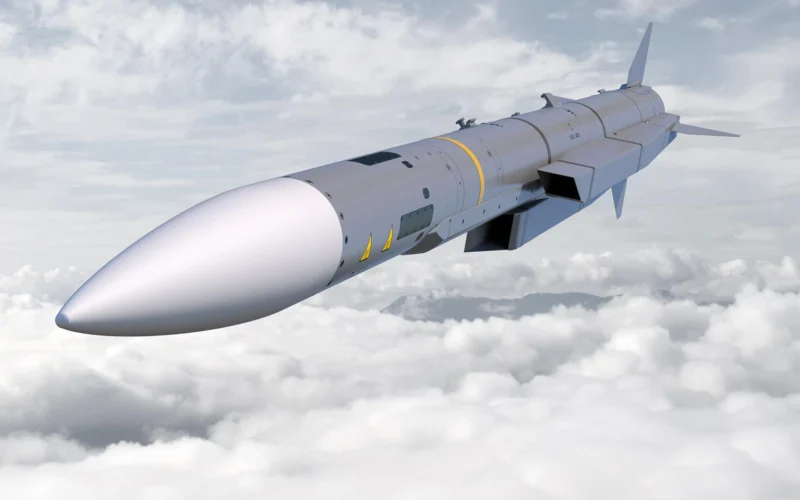
The United Kingdom and France have signed a Memorandum of Understanding to conduct a joint study into a successor to the Meteor beyond-visual-range air-to-air missile, the UK’s Defence Equipment & Support (DE&S) announced on April 1, 2026.
12-month concept study
The 12-month study will examine future air threats and develop concepts for a next-generation weapon system. According to the DE&S announcement, teams from both countries will assess what technologies should be incorporated and establish a development roadmap.
As part of the new arrangement, a joint Complex Weapons Portfolio Office will be established, embedded within OCCAR, the European defense procurement agency, to coordinate bilateral missile programs and align national priorities.
Lancaster House 2.0 deliverable
The MoU is framed as a deliverable from the Lancaster House 2.0 agreement, the bilateral defense and security framework signed by Prime Minister Keir Starmer and President Emmanuel Macron in London on July 10, 2025. That accord committed the two countries to an “Entente Industrielle” aimed at reducing duplication across complex weapons development.
UK Minister for Defence Readiness and Industry Luke Pollard said the agreement was “a significant step forward in delivering on our Lancaster House 2.0 commitments” and that cooperation with France on a next-generation air-to-air missile would “strengthen NATO’s capabilities and European security.”
About the Meteor
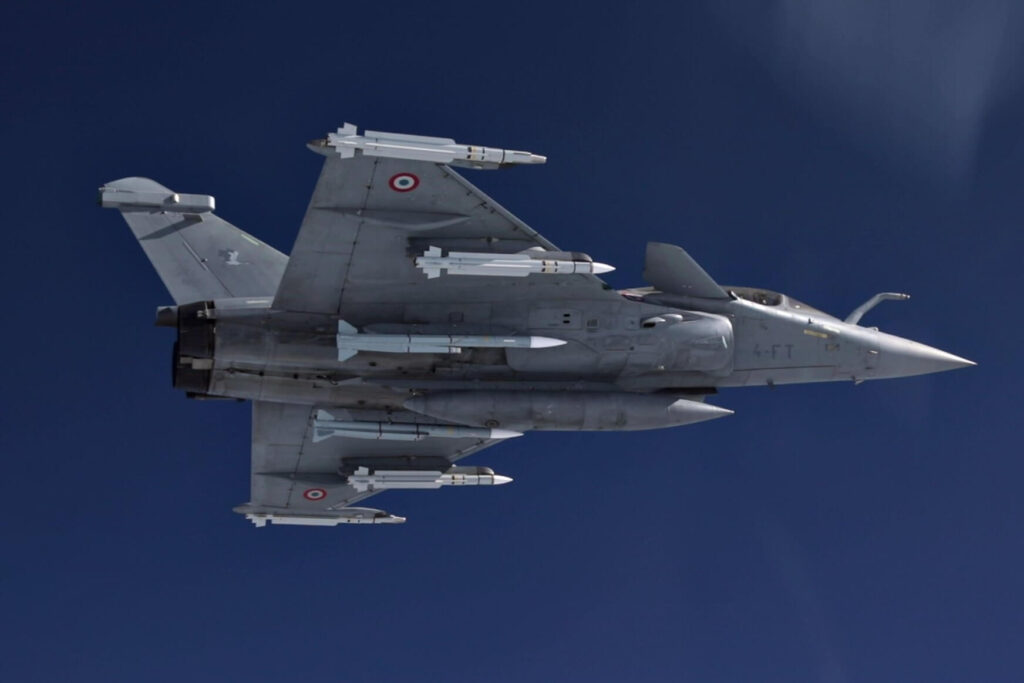
Meteor entered service with the Saab Gripen of the Swedish Air Force in April 2016 and has since been integrated onto the Eurofighter Typhoon and the Dassault Rafale. The missile was developed by MBDA to meet the requirements of six European nations: the UK, Germany, Italy, France, Spain and Sweden. Its throttleable ducted rocket motor, a form of solid-fuel ramjet, allows the weapon to sustain thrust through terminal engagement, a characteristic that distinguishes it from rocket-powered alternatives.
Meteor is also the subject of a study on a potential midlife update and is currently awaiting integration on the Lockheed Martin F-35 Joint Strike Fighter.
Broader complex weapons context
The bilateral study comes as the two countries are already progressing on replacements for other legacy MBDA weapons. The STRATUS program, unveiled at DSEI London in September 2025, is developing a stealthy cruise missile and a high-supersonic strike missile to replace SCALP/Storm Shadow and Exocet. MBDA CEO Eric Beranger indicated in late March 2026 that a transition to the development phase was imminent.