

The International Air Transport Association (IATA) has released a new report looking at engine maintenance, repair, and overhaul (MRO) bottlenecks, an issue that has dogged commercial aviation over recent years.
In the study released on June 24, 2026, IATA and report collaborator Emerton spell out in no uncertain terms the damage caused by bottlenecks and how the industry needs to smarten up to ensure “long-term resilience”.
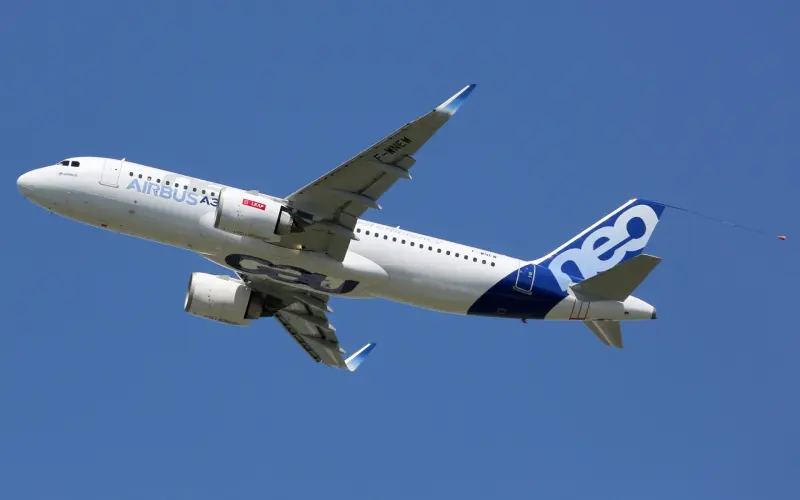
The report focuses on latest-generation single-aisle aircraft engines – namely LEAP engines from CFM International, and Geared Turbofan (GTF) engines from Pratt & Whitney.
‘Single Aisle Aircraft Engines MRO: Strategic Levers to Address Supply Chain Challenges’ highlights how engine durability issues, spare parts shortages, limited spare engine availability, and constrained aftermarket access are causing huge disruptions for airlines.
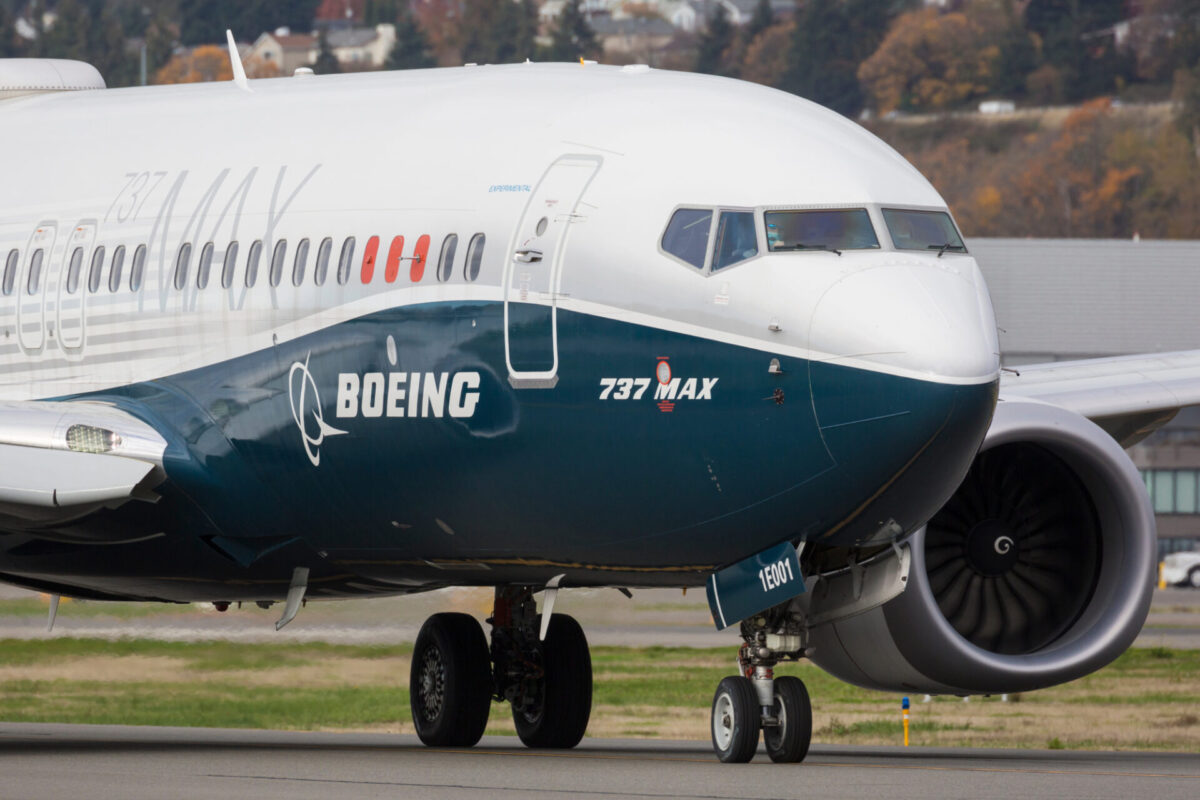
According to IATA and Emerton, the number of grounded Pratt & Whitney GTF powered aircraft peaked in March 2025 at 648, 28% of the GTF-fleet, as planes awaited engine shop visits, spare engines, or parts.
What concerns IATA is that between 2030 and 2040, deliveries are expected to stabilize at around 3,700 per year from 2,000 in 2024.
“Engine MRO bottlenecks are disrupting airline operations.” Willie Walsh, IATA’s Director General, said. “Without significant changes, this will only get worse as the fleet of latest-generation single-aisle aircraft grows. Manufacturers are investing in additional capacity, but capacity alone will not be enough.”
Walsh states that airlines need “better access to spare parts, more approved repair options, fair access to MRO capacity, and greater competition in the aftermarket”.

While IATA admits there “no single solution” to fix the current situation, there are ways that better resilience in the near and longer-term could be built:
Increase engine parts availability
IATA says: “Make more parts available by accelerating the development and approval of repair solutions to reduce scrap rates, expanding licensed production of critical components, and increasing access to used serviceable material recovered from engine teardowns.”
Ensure fair access to the MRO market
IATA says: “Remove barriers that limit independent MRO participation and support fair access to the parts, repair information and tools needed to develop additional capacity. This is provided for in the IATA-CFM agreement, signed in 2018 and renewed in January 2026.
“The agreement includes a good-practice model for supporting customer choice, regulatory approved non-OEM parts and repairs, and fair access for third-party MRO providers.”
Secure long-term access to spare parts
IATA says: “Including provisions in aircraft and engine acquisition decisions to secure long-term access to predictable spare parts pricing would provide greater certainty for airlines and lessors. This includes protections that airlines can assign to their chosen MRO providers, including independent providers.”
Adopt industry-wide best practices
All OEMs (engine, airframe, and component) should adopt transparent and competitive aftermarket principles that support customer choice and the use of approved alternative parts and repairs certified by regulators.
“Resolving today’s disruption is the immediate priority. But long-term resilience will depend on a more transparent, competitive, and collaborative aftermarket,” Walsh said. “Revisiting business models between aircraft and engine manufacturers is essential so that they better support operational resilience across the full aircraft lifecycle. The goal is to get engines back on wing faster, reduce avoidable disruption, and ensure that future fleet growth is supported by the MRO capacity and market access airlines need.”
Read the report in full on the IATA website.