

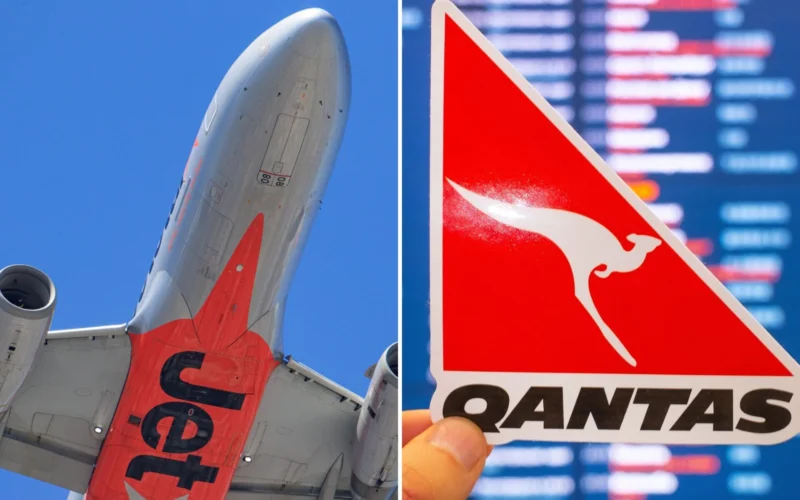
The Qantas Group and Japan Airlines (JAL) have signed a binding agreement to change who owns Jetstar Japan, moving forward with a plan first floated back in February 2026.
The announcement, made August 4, 2026, confirms a share buyback transaction that will reshape the airline’s ownership, though the deal still needs regulatory approval before it can be completed.
Under the new structure, Development Bank of Japan will come in as a new shareholder in Jetstar Japan, while Tokyo Century Corporation and JAL keep their existing stakes in the airline.
The Qantas Group, meanwhile, will exit entirely, selling off its 33.32% minority stake through a buyback carried out by Jetstar Japan itself. The whole transition is expected to wrap up by June 2027.
Why Qantas is stepping back
For the Qantas Group, the move frees up capital that it plans to redirect toward its own domestic and international operations in Australia, rather than continuing to hold a minority stake in a Japanese carrier.
The deal also shifts Jetstar Japan toward a more Japan-based ownership structure, with Japanese companies now holding the airline’s shares.
Once Qantas exits, Jetstar Japan plans to move away from the “Jetstar” name altogether, rebranding under a new identity as it continues operating as a low-cost carrier in Japan.
The airlines say none of this affects existing operations for travelers. Qantas and Jetstar’s international flights between Australia and Japan will continue as normal, and codeshare arrangements with JAL remain unchanged.
What the deal is worth
The share buyback transaction is valued at JPY 8.2 billion (US$55 million).
For the Qantas Group, the deal is expected to result in a gain of roughly AU$115 million (US$75 million) in items outside its underlying financial results, with most of that impact showing up in its FY27 accounts.
That gain includes one-off, non-cash benefits tied to historical foreign currency translation gains sitting in Qantas’s equity reserves, along with the actual proceeds from the sale once the deal closes.
On the cash side, the impact includes both the sale proceeds themselves and the transition costs involved in Qantas exiting Jetstar Japan. Until the deal is finalized, Qantas will continue to include its share of Jetstar Japan’s profits or losses in its underlying pre-tax earnings.