


Japan Airlines (JAL) and French drone manufacturer Donecle have launched Japan’s first joint project using fully autonomous drones for exterior aircraft inspections.
The initiative marks a significant step toward automating one of aviation maintenance’s most time-consuming and physically demanding tasks.
The partnership, announced on September 11, 2026, deploys Donecle’s Iris GVI drones inside JAL’s hangars to capture high-resolution images of aircraft exteriors, replacing traditional manual visual inspections that require mechanics to spend extended periods checking large airframes, often while working at heights.
Donecle, which specializes in automated drone solutions for aircraft of all sizes from business jets to widebodies, has its drones listed in both Airbus and Boeing aircraft maintenance manuals and is already in use by airlines and MROs worldwide.
From manual checks to autonomous flight
Visual inspections of aircraft exteriors have long posed both efficiency and safety challenges. Mechanics have traditionally been required to physically examine massive airframes from multiple angles, including elevated positions, making the process both time-intensive and physically demanding.
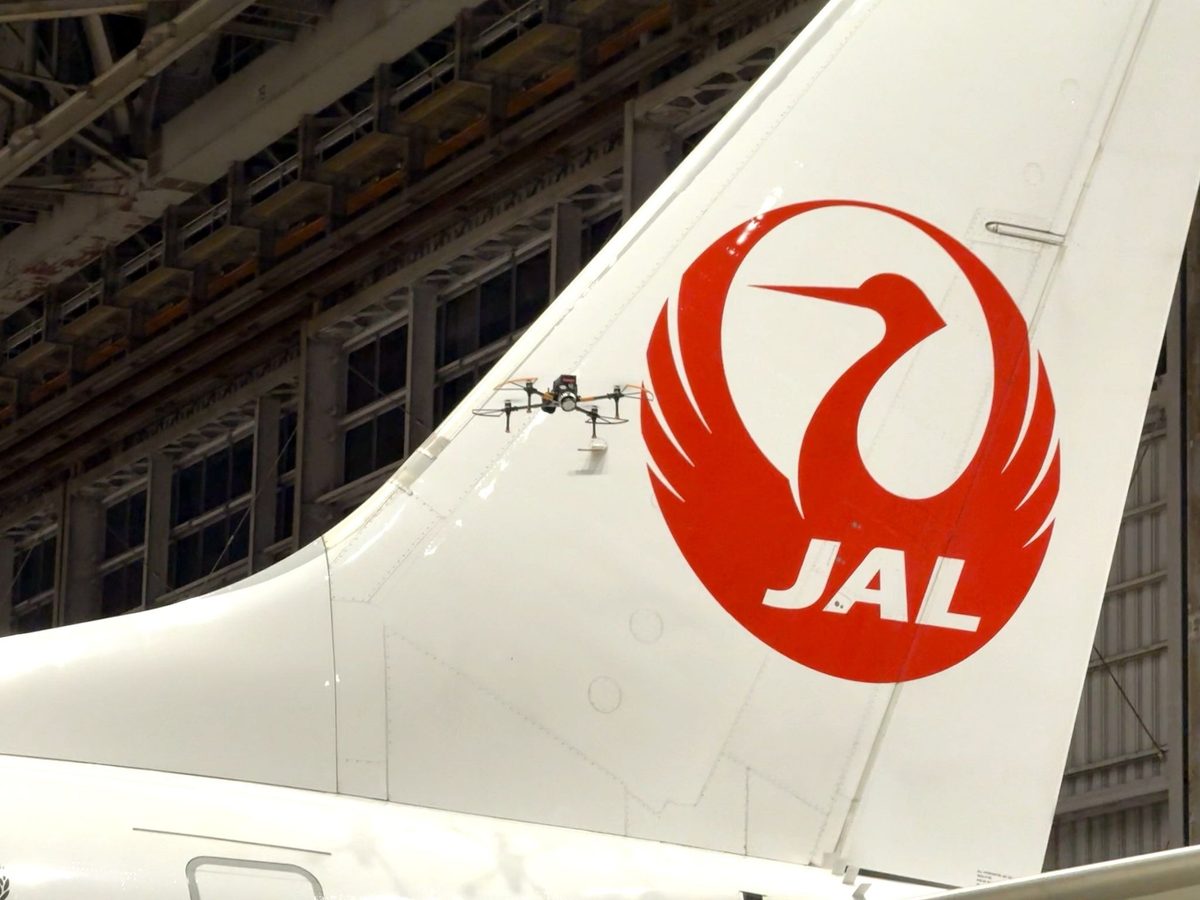
JAL began comparing conventional visual inspections with drone-captured imagery at the end of June 2026, building the groundwork for the current joint verification project.
The drones fly fully autonomously around the aircraft without making contact, capturing images under consistent, uniform standards regardless of operator skill level. Built-in obstacle detection keeps the drones safely clear of the airframe throughout each inspection.
Inside the Iris GVI
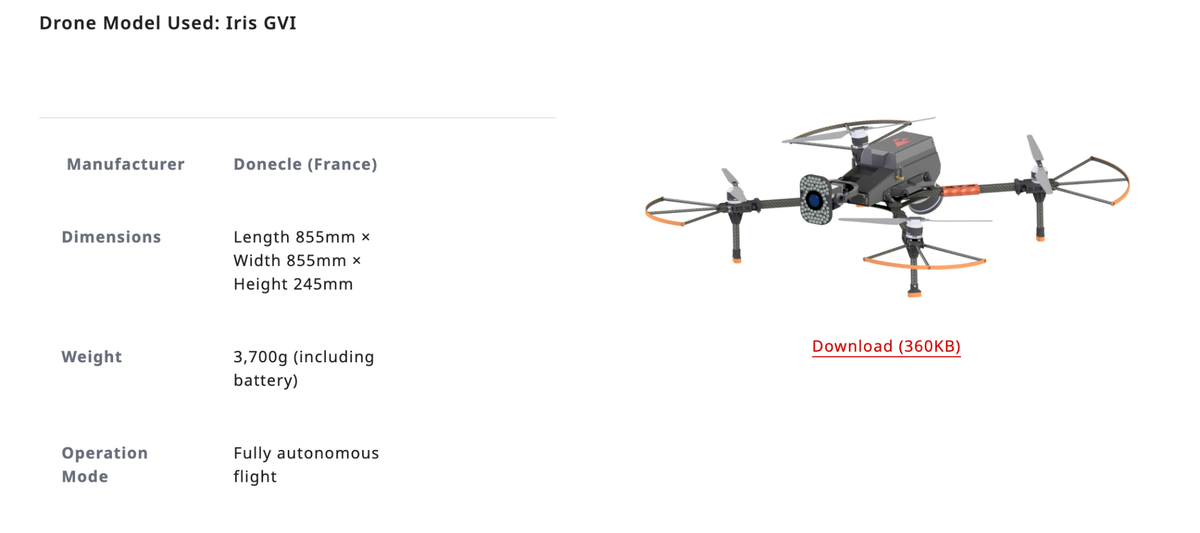
The Donecle Iris GVI measures 855mm in length and width and 245mm in height, weighing 3,700 grams including its battery.
The drone operates in fully autonomous flight mode and is equipped with image analysis technology that enables precise mapping and measurement of any defects identified on the aircraft exterior.
Its approval for use in both Airbus and Boeing aircraft maintenance manuals gives it a level of industry validation that makes integration into existing airline maintenance workflows more straightforward.
Time savings redirected toward predictive maintenance
Beyond the safety benefits of reducing work at height, JAL said the time savings from faster drone inspections are expected to be redirected toward predictive maintenance, potentially improving overall aircraft quality and reliability.
Looking ahead, JAL and Donecle plan to expand the scope of the project beyond hangar demonstration tests. Future applications include faster unscheduled lightning strike inspections, which can currently cause flight delays, and regular monitoring of aircraft paint conditions.
Both initiatives are being developed in collaboration with Japan’s Ministry of Land, Infrastructure, Transport and Tourism (MLIT), with the aim of improving punctuality and aircraft quality.