

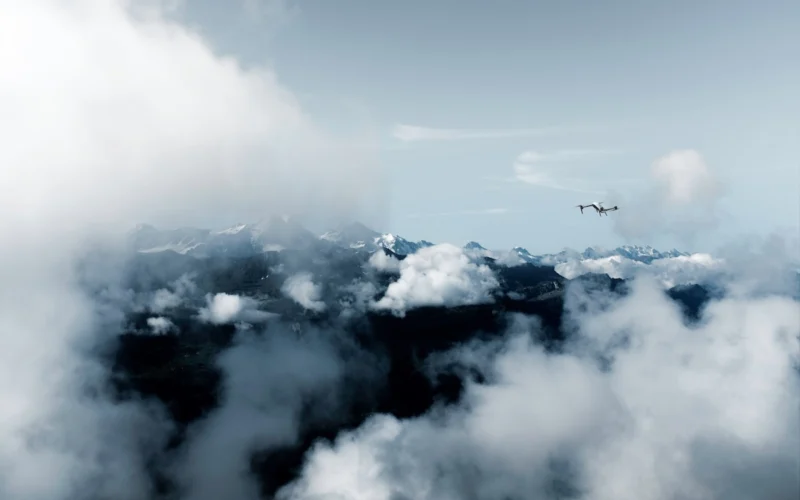
On October 8, 2026, a new metereological drone called Strato was unveiled by Meteomatics, a Swiss firm specializing in weather intelligence.
Strato represents an improvement in capabilities over the current generation of proprietary drones used by Meteomatics for atmospheric data collection. It is a small multicopter drone capable of climbing to altitudes of up to. 4,245 feet (10,438 meters) to collect meteorological data in the upper troposphere, the portion of the atmosphere which commercial aircraft typically cruise.
With this drone, Meteomatics is aiming to fill a gap in meteorological data collection, between ground-based stations and metereological balloons. The latter can climb to high altitudes but are less flexible than drones when it comes to their movements and can therefore miss sudden changes in atmospheric conditions.
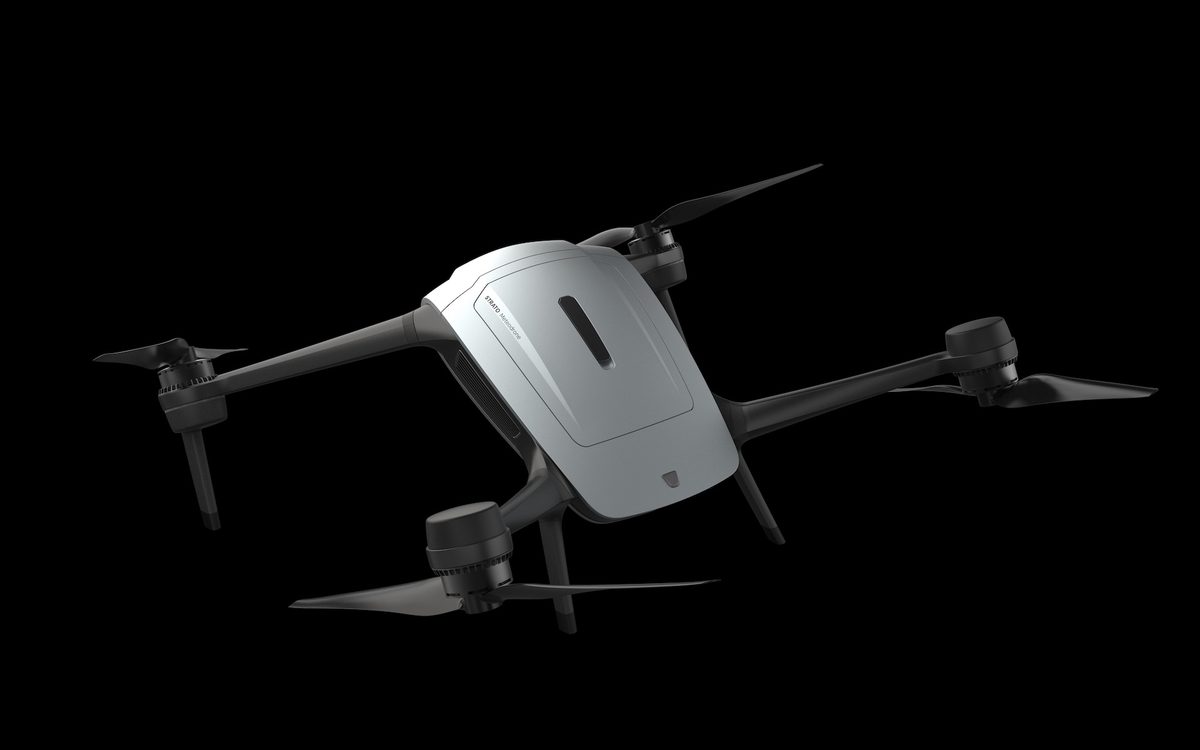
Unlike other drones in the same category, Meteomatics’ Strato has been engineered to withstand the rough conditions at high altitudes. In addition to being waterproof, it can withstand sustained winds up to 80 mph and actively orient itself into headwinds. The drone is also fitted with a heating system to prevent the icing of the rotors.
The data collected by these drones is used in Meteomatics ultra-granular weather forecasts, which in most of Europe and North America can be for an area as precise as 1 square km (0.38 sq. miles). This level of detail is demanded by companies such as wind and solar park operators, in order to predict their expected output with maximal precision. “It is like putting on glasses to look at the weather map,” explained Martin Fengler, co-founder and CEO of Meteomatics.
During a call with AeroTime, Fengler demonstrated the weather visualization tools developed by the company. He explained that, as of early October 2026, the Swiss firm has around 800 customers using its weather forecasts.
Meteomatics is currently seeking fresh capital from investors in order to fuel further growth and invest in additional computing capacity.
1 comment
Ok, mais cela se fait déjà avec l’aviation générale et à de plus hautes altitudes, faudrait revoir votre copie, les Suisses.