

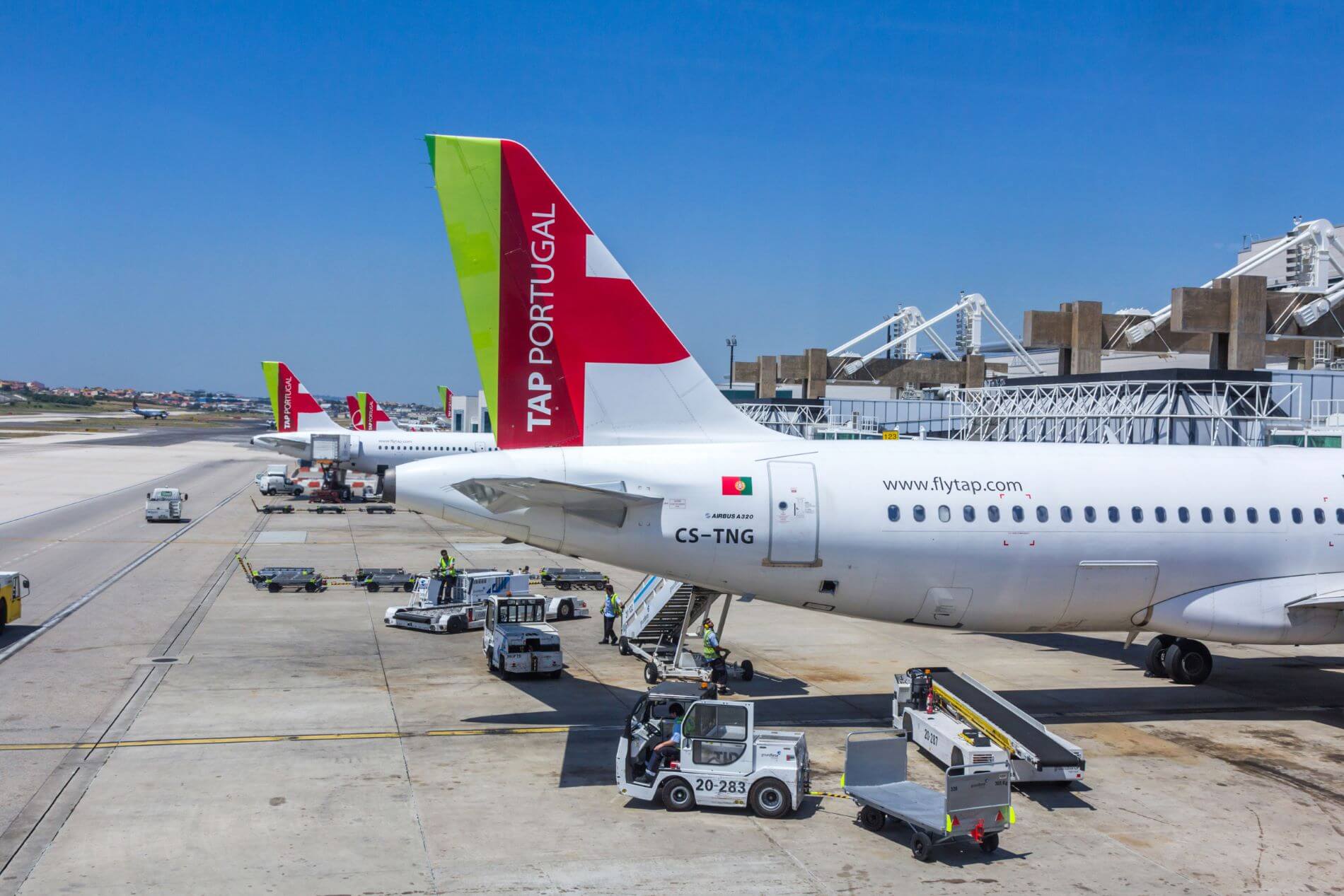
TAP Air Portugal posted a net profit of €4.1 million in 2025, the airline announced on April 9, 2026, extending a run of profitability that began in 2022.
The figure was heavily influenced by a €42 million corporate income tax adjustment tied to Portugal’s progressive reduction in its corporate tax rate.
The result marks the fourth consecutive year of profit for the Portuguese flag carrier since returning to the black following its renationalization and restructuring in the wake of the Covid-19 pandemic.
Operating revenue for the full year totaled €4.313 million, up 1.2% from 2024. The maintenance business was the standout contributor, with revenues rising 10.7%, while passenger revenue grew 0.8%. TAP carried 16.7 million passengers, a 3.4% increase year on year, and raised its load factor to 84.2%, up 1.9 percentage points.
In 2024, TAP had recorded a net income of €53.7 million, a stronger result that benefited from a less pressured operating environment.
Unit revenue under pressure
Capacity grew by 3.1%, and revenue passenger kilometers expanded by 5.5%, but unit revenue came under pressure. PRASK fell 2.3% to 6.96 cents, reflecting increased competition in core markets and weaker demand conditions in the North American market.
Recurring operating costs rose 3.6% to €4.070 million. Staff costs increased 7.9%, traffic costs grew 6.7%, and depreciation and amortization climbed 10.8%. A 5.4% reduction in fuel costs partially offset those increases. Recurring CASK rose 0.5% to 7.36 cents for the full year.
TAP recorded a recurring EBITDA of €742.9 million, a margin of 17.2%, and a recurring EBIT of €243.4 million, at a margin of 5.6%. The airline noted that the first quarter of 2025 was particularly challenging.
As of December 31, 2025, TAP held a liquidity position of €765.3 million, an improvement of €113.7 million compared with the same date in 2024 and recorded a net debt to EBITDA ratio of 2.6x.
EU restructuring plan completed
The results also mark the formal completion of TAP’s EU-approved restructuring plan, a condition imposed after the Portuguese government provided approximately €3.2 billion in state support to prevent the carrier’s collapse during the COVID-19 pandemic.
The European Commission acknowledged that TAP had implemented the required operational measures on time and restored long-term financial viability. An extension to June 30, 2026, was granted for the divestment of the catering subsidiary Cateringpor and the ground-handling unit SPdH, with TAP committing to return €24.99 million to the Portuguese state as part of that extension.
Strategy for 2026
TAP CEO Luís Rodrigues said the airline would accelerate execution of its defined priorities in 2026, with a focus on transatlantic expansion. The airline plans to add two new destinations in Brazil, bringing its total Brazilian network to 15 routes, of which 10 would be served exclusively by TAP. Porto operations are also set to expand, with new routes and the development of a maintenance hub at the city’s airport.
The airline said it expects demand to remain resilient and anticipates improved load factors and unit revenues despite planned capacity growth, with fuel cost movements partially offset by pricing aligned with market trends.
Privatization backdrop
The results arrive at a significant moment in TAP’s ownership trajectory. With the EU restructuring plan now closed, the Portuguese government is actively progressing the sale of a 44.9% stake in the airline, with a further 5% earmarked for employees.
Both Lufthansa Group and Air France-KLM submitted non-binding offers for the stake on April 2, 2026, meeting the government’s deadline. The third invited bidder, International Airlines Group (IAG), has withdrawn from the process due to concerns about the deal’s minority structure. Portuguese Infrastructure Minister Miguel Pinto Luz has said a winning bidder is expected to be selected by the summer of 2026.