
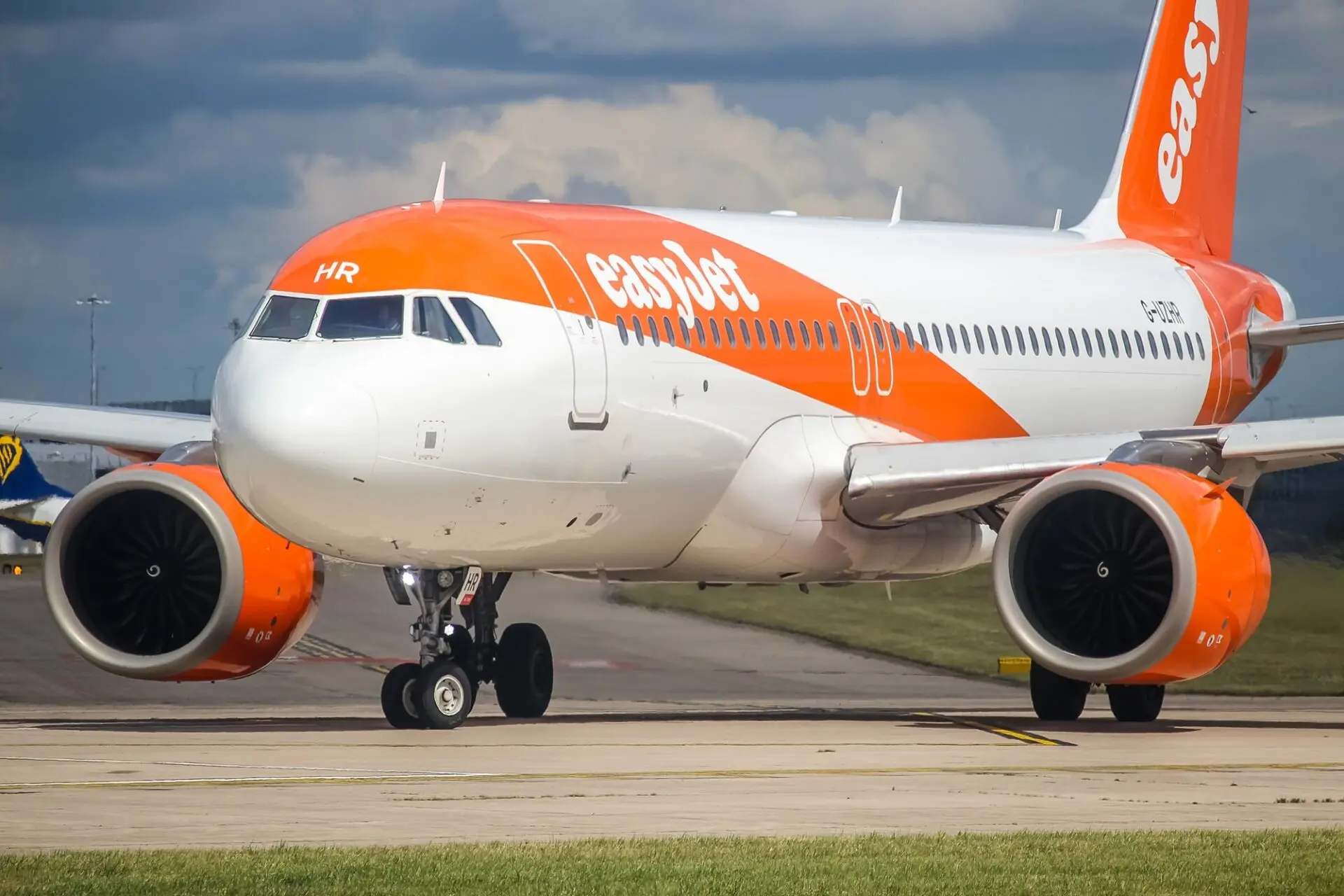
easyJet has been garnering news headlines recently, in the wake of the low-cost carrier gaining the attention of two US companies for a possible takeover.
Just as it seemed that Castlelake was crossing the finishing line in acquiring easyJet, a rival offer from US private equity firm Apollo blew the situation wide open.
As it stands, Apollo has made what appears to be a superior proposal, but Castlelake still has time to come back with an increased offer.
In his latest article for AeroTime, the Founder and Chairman of the Board of Directors of Avia Solutions Group, Gediminas Ziemelis, offers his thoughts on how easyJet could benefit from a more flexible fleet model in the future and why this could be a watershed moment for European LCCs (below).

The appeal of easyJet as an acquisition target is rooted in the potential inefficiency of how it and many of its peers own and manage their fleets. ACMI (wet leasing) can be a key vehicle in aiding a future owner’s, easyJet’s and other European LCCs’ search for net profitability.
easyJet is currently subject to a possible offer process. No firm offer has yet been announced, and the analysis below reflects an independent ASG scenario rather than any announced intention of easyJet or a potential bidder.
By capitalizing on the inherent seasonality of European travel, ASG analysis indicates that, on the assumptions used, the airline could divest 73 of its owned aircraft, potentially generating approximately $2.3 billion in gross disposal proceeds before transaction costs, taxes, debt repayment and other implementation costs.
Fundamentally, the headline case is that capital tied up in winter aircraft acts as a drag on return on invested capital. Maintaining a large fleet that easyJet owns and long-term leases year-round, despite significant seasonal drops in demand, is an inefficient use of capital.
For example, easyJet’s FY25 performance illustrates the classic seasonal nature of the airline industry. During the winter months, the non-peak first half of the fiscal year, the carrier recorded a headline loss before tax of £394 million. However, during the summer peak, it generated an implied profit of £1,059 million between April and September, concluding the full fiscal year with a headline profit before tax of £665 million.
Currently, the airline’s fleet (as of 31 March 2026, easyJet’s total fleet comprised 356 aircraft with 208 owned) implicitly holds enough capacity for peak summer demand, meaning a large portion of its fleet is under-utilized and financially burdensome during the winter.
A more efficient strategy would involve rightsizing the permanent fleet to meet only the winter base-case, whilst utilizing short-term wet leasing (ACMI) to cover summer peaks. By trading fixed, long-term capital expenditure for flexible operating costs, the airline could potentially better align its capacity with actual market demand. A rightsizing strategy of this kind could yield a net profit uplift in the region of $250 million, according to ASG analysis – on the assumption that the airline replaces year-round capital depreciation with variable, seasonal expenditure.
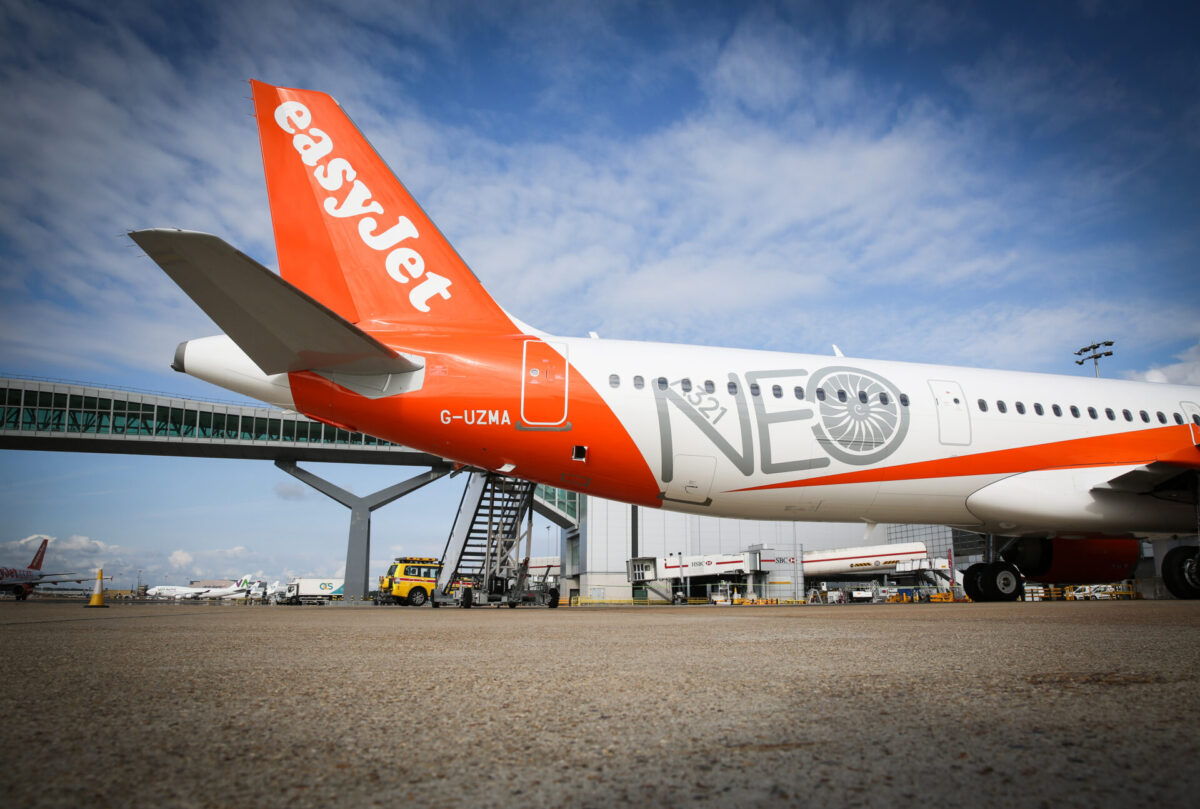
Fundamentally, using ACMI replaces heavy, idle fixed costs with a flexible operating structure.
In short, this strategy trades the cost of maintaining lower-utilization winter capacity for a lean, scalable operation better suited to modern market volatility.
Why this could be a watershed moment for European LCCs
Thirty-one years after being launched, easyJet’s current possible offer process could spur another revolution in the European airline market. This time it will be on how fleets are owned/managed, rather than lower fares.
If a future owner, or easyJet itself, were to unlock capital by adjusting/selling off the fleet/orderbook, it could force a wider debate across the sector. There is currently no public indication that easyJet or any potential bidder has decided to implement the specific ACMI strategy described in this article.
Rivals sticking with high capital expenditure and long-term, peak-ready fleets may face more shareholder scrutiny over costs required to maintain assets year-round that often sit idle during winter. This is particularly true against the backdrop of Europe’s aviation market increased seasonality.
Transitioning toward fleet management with ACMI (Aircraft, Crew, Maintenance, and Insurance) or wet leasing as a core strategy allows airlines to trade fixed capital expenditure for operating expenditure.
This may mitigate the winter weakness historically seen on European airline balance sheets. Furthermore, it offers the agility to scale capacity flexibly without assuming the multi-year risk of aircraft acquisition or long-term leases.
The most competitive European low-cost carriers of the future, particularly those that remain in the public markets, will likely be those that manage their fleets as portfolios of risk/seasonality rather than long term Capex.