
A330 Family
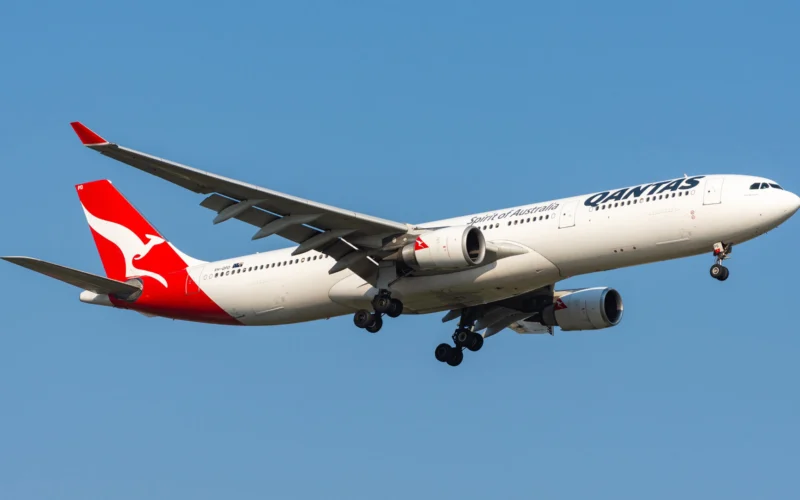
A330 Family at a glance
The Airbus A330 is the quiet workhorse of world aviation: a mid-size twin-aisle family in service since 1994 that sold more than 1,400 aircraft and made twin-engine flying the default on medium and long-haul routes a decade before the 787 existed. Built on the A300's fuselage cross-section with the A320's fly-by-wire cockpit, it became the widebody most airlines could actually afford, and around 740 remain in scheduled service.
Its operator base spans the entire industry: China's big three fly the largest fleets, Cathay Pacific and Turkish built their medium-haul networks on it, and Delta runs one of the biggest western fleets. The family lives on directly through the A330neo, which shares its type rating and airframe, meaning the A330 story that began in 1994 is still in production today.
Variant comparison
| Specification | Airbus A330-200 | Airbus A330-300 |
|---|---|---|
| Typical seats (2-class) | 250-300 | 250-300 |
| Maximum seats | 250 | 300 |
| Range | 7,250 | 6,350 |
| Length | 58.82 m | 63.66 m |
Full specifications
Operators
Frequently asked questions
The original ceo generation is not, but the family continues as the A330neo, which shares the same airframe and type rating with new Trent 7000 engines, so A330 production has effectively never stopped since 1994.
China Eastern, Air China and China Southern operate the largest fleets, with Cathay Pacific, Turkish Airlines and Delta among the biggest operators elsewhere; around 740 ceo-generation aircraft remain in scheduled service.
The A330-300 is the longer original, seating 250-300 passengers; the A330-200 is a shortened, longer-range version that opened thinner intercontinental routes with 210-250 seats.